Welcome to ServLifts Official Website

Dumbwaiter Price Guide 2026: How Much Does a Food Lift Really Cost?
What does a dumbwaiter really cost in 2026? A complete price guide covering restaurant dumbwaiter elevator cost, traction price lists, Nigeria pricing, and how to buy from a China factory. Compare big brands vs specialized manufacturers like ServLifts.

Table of Contents
- Dumbwaiter Cost: The Short Answer
- What Actually Drives a Dumbwaiter Price
- 2026 Dumbwaiter Price Guide: Ranges by Drive Type
- Food Lift Price: The Same Machine Under a Different Name
- How to Read a Dumbwaiter Price Guide Quotation
- Dumbwaiter Cost by Building Type
- Home and Residential Dumbwaiter Cost
- Commercial Dumbwaiter Cost: Why a Canteen Quote Is Not a Café Quote
- How Global Brands Price the Same Machine
- Dumbwaiter Price Guide: Cost by Country
- Buying Direct From a Factory in China
- Turning a Dumbwaiter Price Guide Into the Best Value
- Where ServLifts Fits In
- Dumbwaiter Price Guide Questions, Answered
- Next Step
Dumbwaiter Cost: The Short Answer
A dumbwaiter bought direct from a specialist factory in China starts at about US$2,265 to US$2,550 FOB for a standard traction unit rated 100 kg with two stops. The same lift installed on site usually lands between US$4,500 and US$8,500 once sea freight, import duties, shaft work and local labour are added. Those two figures are the ones worth remembering: the unit price, and the landed and installed total.
The gap between the highest and lowest quote for the same kitchen rarely comes from the machine. It comes from the shaft, the commercial terms, and the scope that one supplier included and another quietly left out. Two suppliers can both be telling the truth and still be US$4,000 apart, which is the single most common reason a dumbwaiter price guide is consulted after the fact rather than before.
This dumbwaiter price guide sets out what a dumbwaiter costs by drive type, by building type and by country, then shows how a quotation is built line by line so that any two quotes can be compared on identical terms. If you are still deciding what the machine is, rather than what it costs, start with our food elevator guide first.
What Actually Drives a Dumbwaiter Price
Every dumbwaiter cost figure in any dumbwaiter price guide is the sum of six decisions. Understand those six and the spread between quotations stops being mysterious.
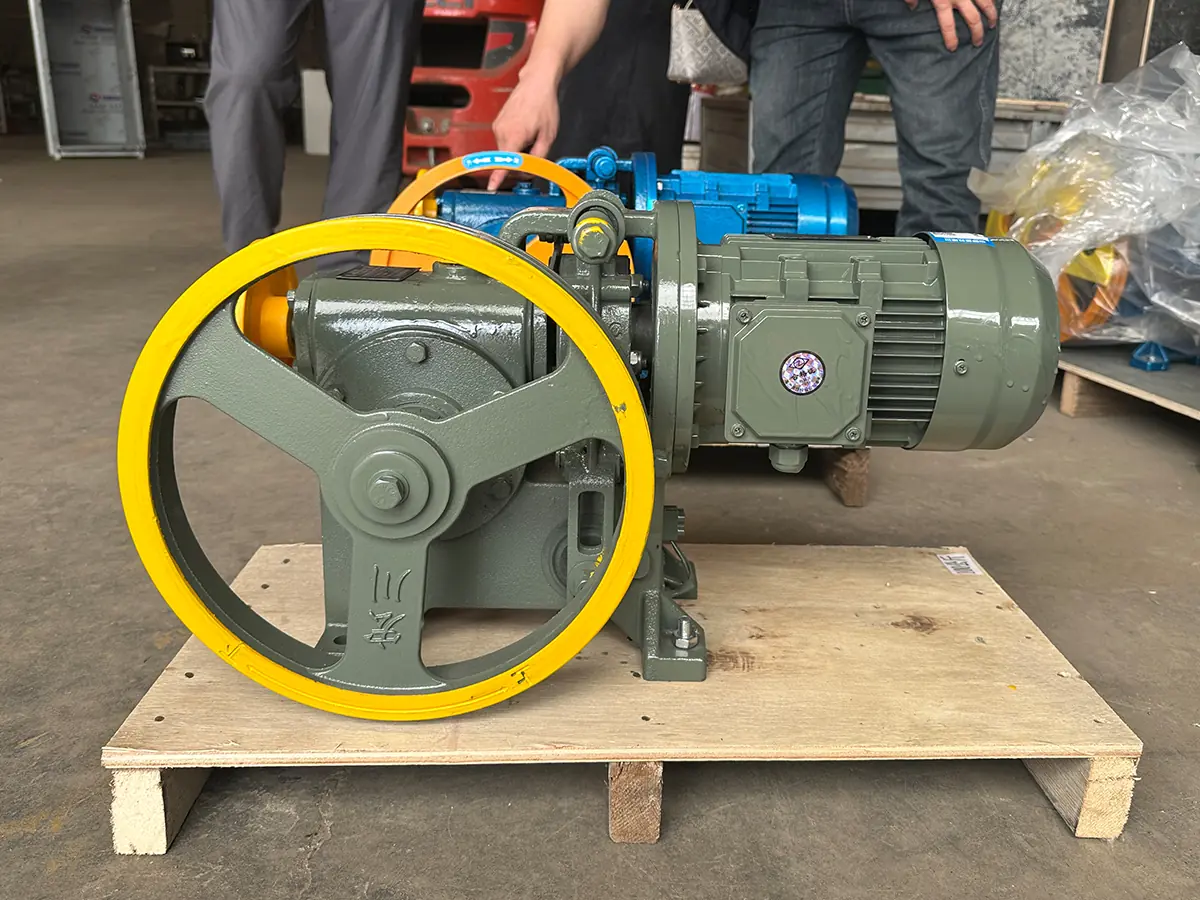
Drive system. Traction (rope-driven) units are more durable and smoother in daily use, and they cost more upfront than hydraulic or screw-drive models. A screw-drive unit is the cheapest way into the category and the fastest to wear out under heavy traffic.
Load capacity. Standard ratings run from 50 kg to 300 kg, with a few builders offering up to 500 kg. A 100 kg unit covers most restaurants; laundry and hospital duties need more, and the price follows the structure rather than the motor.
Number of stops. Each additional landing needs its own door hardware, interlock and control wiring. A four-stop unit costs materially more than a two-stop unit of the same size, and unused stops are pure waste.
Shaft requirements. If the shaft already exists and can be reused, a large block of cost disappears. If a new shaft has to be built, that structural work often exceeds the price of the machine itself.
Finish and options. Stainless steel grade, fire-rated doors, automatic door operators, pass-through configuration and non-standard car sizes all add to the price. Stainless steel is the default for food service, and the grade is where buyers most often overspend or under-specify.
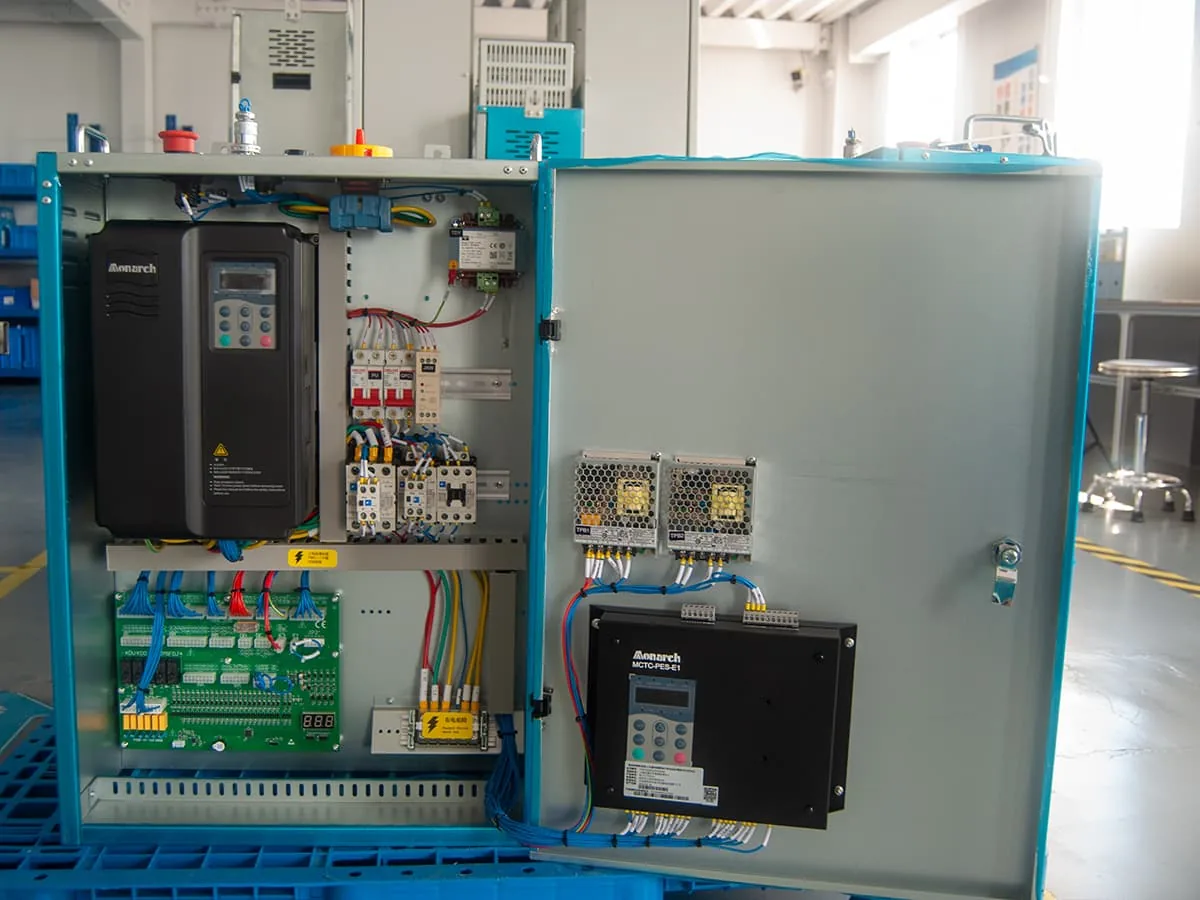
Installation and shipping. For buyers outside the manufacturer’s country, freight, duties and local installation labour can match or exceed the equipment cost. This is the single factor most often left out when a buyer compares a factory price with a landed price.
Those six factors explain most of the difference in any two quotations for the same building, which is why a useful dumbwaiter price guide returns to them in every section that follows.
2026 Dumbwaiter Price Guide: Ranges by Drive Type
The table below shows market ranges as they appear through distributors, dealers and global brands in 2026, and it is the part of this dumbwaiter price guide most buyers screenshot. Figures are equipment only, before freight and installation. Factory-direct pricing from a specialist in China sits below the entry column, which is why the short answer at the top of this dumbwaiter price guide quotes a lower starting point.
| Drive and specification | Entry level | Mid range | Premium |
|---|---|---|---|
| Screw-drive, 100 kg, 2 stops | $2,000–$3,500 | $4,000–$6,000 | $7,000+ |
| Hydraulic, 100–250 kg, 2–3 stops | $3,000–$5,000 | $5,500–$8,000 | $9,000+ |
| Traction (rope), 100–250 kg, 2–4 stops | $4,000–$6,500 | $7,000–$10,000 | $12,000–$15,000+ |
| Heavy-duty traction, 300–500 kg, 3–6 stops | $6,000–$9,000 | $10,000–$15,000 | $18,000+ |
Reading any dumbwaiter price guide takes one habit: always check which specification the column refers to. A traction price at 100 kg and two stops is not comparable with a traction price at 250 kg and four stops, and mixing the two is how buyers end up believing one factory is twice as expensive as another. Our comparison of traction against hydraulic and screw drive sets the three side by side on the same specification.
Equipment is also only part of the total, which is why a dumbwaiter price guide that stops at the machine is misleading. A complete traction installation, including shaft work, electrical connection and commissioning, typically runs US$8,000 to US$25,000 depending on local labour rates and how much of the shaft the building already provides. Where the shaft already exists, the wide end of that range rarely applies, and that is where a dumbwaiter price guide and a building survey should be read together.
Food Lift Price: The Same Machine Under a Different Name
Before the numbers, one terminology point, because the phrase you search decides which market quotes you back. Search food lift price in the UK, Ireland or Australia and you get local installers quoting an installed total. Search dumbwaiter price in North America and you get dealers quoting a unit plus fitting. Search food elevator price and a good share of the results are goods lifts built to a different standard, at several times the cost of a dumbwaiter. Three phrases, three markets, and in the middle of them one machine.
A food lift is a dumbwaiter. The trade in the UK and Ireland calls the small enclosed tray lift a food lift, or sometimes a service lift; North America calls the same unit a dumbwaiter. The naming does not change the engineering: 50 to 300 kg, two to six stops, a car sized around the tray or the trolley, and a landing door at every floor. What changes is the pricing structure sitting behind the word, which is why a food lift price and a dumbwaiter price for identical equipment rarely match.
The gap is easiest to see in the UK, where installed food lift prices are published openly. A residential two-floor food lift lands at roughly £8,000 to £12,000 fully installed, including the unit, shaft lining, landing doors and electrical connection. Three floors runs £12,000 to £18,000, and a commercial two-floor installation in a new build starts around £15,000 to £25,000. Those are totals for a finished, working lift — not equipment prices — as Platform Lift UK sets out in its 2026 cost guidance.
Now compare the equipment line. A standard traction unit rated 100 kg with two stops leaves our factory at US$2,265 to US$2,550 FOB. Put the two figures side by side and the arithmetic is blunt: the machine is somewhere between 15% and 25% of a finished food lift price in the UK, and everything else is freight, shaft work, doors, electrical connection, compliance and labour. Anyone shopping for a food lift on the equipment price alone is negotiating over the smallest line on the invoice.
That is also why food lift prices look so different from country to country while the machines are near-identical. The equipment is traded in dollars and moves between markets freely. The shaft, the labour and the inspection regime do not. Two buyers can pay the same for the unit and end up 60% apart on the project, and neither is being overcharged.
Where “food elevator” stops being the same product
Food elevator is the one phrase worth handling carefully, because it is used for two different things. Plenty of suppliers use it as a synonym for a dumbwaiter, and for a two or three stop tray lift that usage is fair. But it is also applied to goods lifts and to passenger-derived service elevators — units with a full-size car, a machine room, a rated load in the tonnes and a price to match. If a food elevator price looks remarkably low, check the rated load and the car dimensions before assuming you have found a bargain; if it looks remarkably high, you are probably being quoted the larger product.
The practical test is the car. A dumbwaiter car is built around a tray or a trolley, rarely more than about a square metre of floor, and cannot carry a person. A goods lift is built to carry pallets or people-adjacent loads and is regulated as a different class of equipment. Both have their place; they are not interchangeable, and a food lift price should always state which one is being quoted. Our dumbwaiter versus passenger elevator comparison walks through the same boundary from the other direction.
Read the UK figures above as a market benchmark, not as a target. They describe what a buyer pays a local installer for a finished lift, and that is a legitimate way to price a project — it is simply a different number from a food lift price quoted ex-works. Both belong in a food lift budget, and the mistake is treating either one as the whole cost.
How to Read a Dumbwaiter Price Guide Quotation
A factory quotation is not a menu with one number on it. It is a base unit plus a set of priced options, and the options are where two quotations for the same kitchen diverge. The table below shows the structure a specialist factory in China uses, so you can see which lines to compare line by line.
| Line item | Specification | Price (USD) |
|---|---|---|
| Traction dumbwaiter, base unit | 100 kg, 2 stops, 0.4 m/s, FOB China | 2,265–2,550 |
| Third stop | Door plus controller expansion | 800 |
| Stainless steel car upgrade | SUS304, 1.2 mm | 600 |
| Automatic door operator | Per landing | 450 / landing |
| Pass-through configuration | Instead of single-side opening | 350 |
| Intercom system | Two stations | 120 |
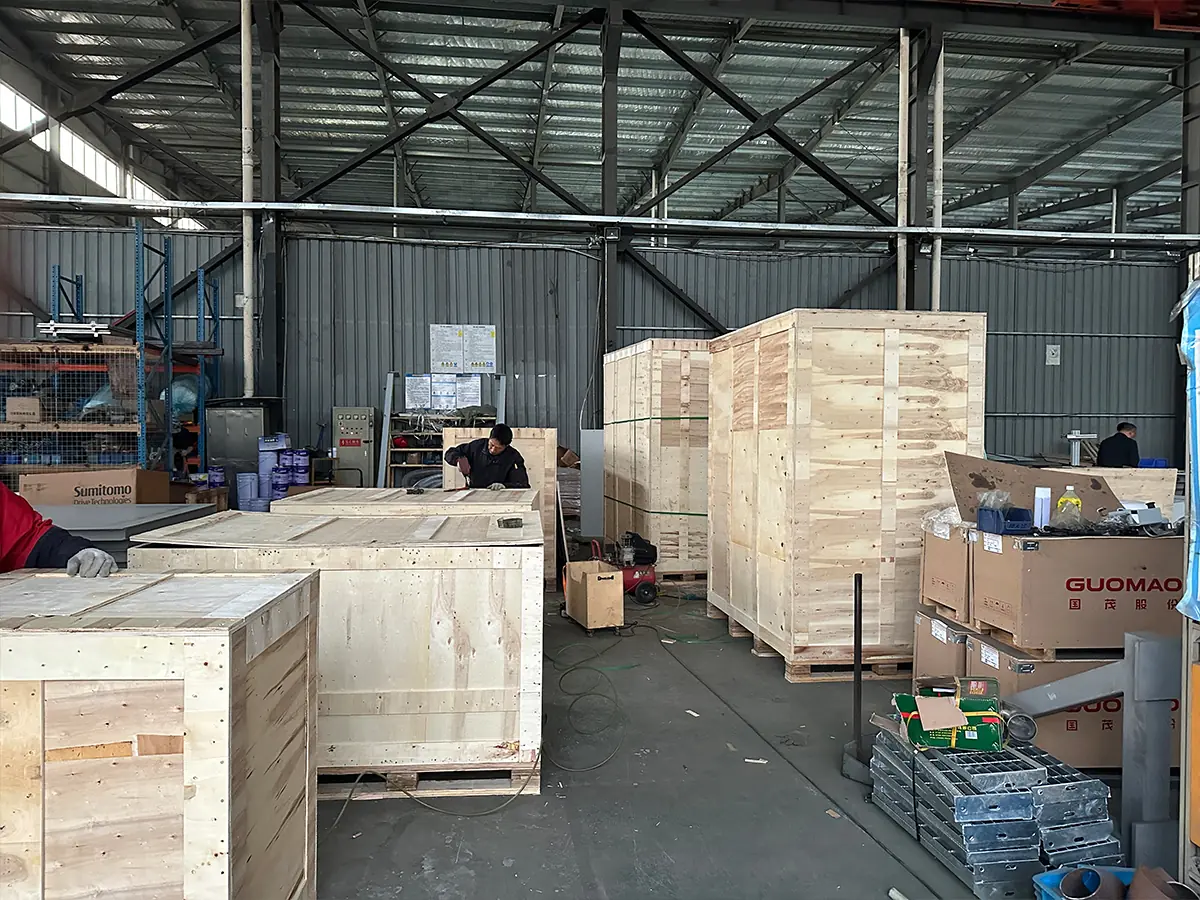
| Export packing | ISPM 15 compliant wooden case | 250 |
The line items are illustrative of structure rather than a fixed price list, but the proportions hold: the base unit is roughly half the equipment total once a third stop, a stainless car and automatic doors are specified. Ask every supplier to quote the same lines, in the same order, on the same Incoterm, and the comparison becomes arithmetic instead of guesswork.
The same specification bought from a global brand typically adds 40% to 70% to each line. That premium is the single largest variable in any dumbwaiter price guide, so the next two sections look at what causes it and what a global brand quotation includes that a factory quotation does not.
Both sections matter more than the headline range, because a dumbwaiter price guide is only as good as the scope sitting behind each number.
Dumbwaiter Cost by Building Type
The specification decides the price far more than the badge on the machine. A café moving pastries twice a day and a hospital moving meal trolleys four times a day both need a dumbwaiter, but not the same one, and no single figure in a dumbwaiter price guide can cover both.
Two of those rows carry their own cost logic. Hotels are specified by cycle time and by how the unit looks in a guest area, while commercial kitchens and canteens are specified by bulk trays and hygiene-grade finish. The hotel dumbwaiter guide works through linen and room-service loads floor by floor, and the seven commercial applications guide prices each use case separately, which is the only way to compare a hotel quote with a canteen quote.
| Building | Typical specification | What pushes the cost up |
|---|---|---|
| Restaurant and café | 50–100 kg, 2 stops | Pass-point position, cycle speed, noise near diners |
| Hotel and guesthouse | 100–200 kg, 2–4 stops | Cycle time, appearance in guest areas, room-service trolley size |
| Commercial kitchen and canteen | 200–300 kg, 2–3 stops | Bulk trays, heavier doors, hygiene-grade finish |
| Laundry | 100–200 kg, 2–4 stops | Trolley length, wet loads, corrosion-resistant finish |
| Home and villa | 50–100 kg, 2–3 stops | Small shaft, low headroom, chain drive instead of traction |
| Hospital and clinic | 200–250 kg, 2–6 stops | Hygiene, reliability, planned maintenance contract |
Two of those rows deserve their own explanation, because they carry the largest share of the searches that lead people to a dumbwaiter price guide in the first place: homes, and commercial kitchens. Together they account for most of the traffic a dumbwaiter price guide receives, and neither is well served by pricing written for large commercial projects.
Where laundry is the load, the trolley dimensions decide more of the cost than the rated load does, and our laundry and linen lift guide covers that sizing in detail.
Home and Residential Dumbwaiter Cost
A home dumbwaiter is the cheapest way into the category, and the one where buyers are most often surprised by the final number. It is also the row most often missing from a dumbwaiter price guide written for commercial projects.
The machine is small, at 50 to 100 kg with two or three stops. What moves the cost is the building, which is why a dumbwaiter price guide that quotes the machine alone understates the bill: a house almost never has a usable shaft, so the structural work becomes the largest line on the invoice.
Drive choice matters more here than anywhere else. Traction needs clear space above the top landing for the machine and the ropes. A chain drive needs far less headroom and is often the only option under a domestic ceiling, which is why so many residential units are chain-driven even though traction is the better drive for heavy daily use.
At the lightest end of the market there is also a manual option. A hand-operated or light-duty dumbwaiter costs less than any powered unit, and for a home moving groceries and luggage a few times a day it can be enough. The trade-off is honest: no electric drive means no automated cycle, and any later upgrade to powered operation costs more than specifying it from the start. How hand-crank models are built and what they cost to run is set out in our manual dumbwaiter guide.
Where a home lift is being specified alongside a renovation, the practical advice is to fix the car size and shaft dimensions before the drawings are finalised. A change of 100 mm after the shaft is built costs far more than the same change before it. The sequence, and the residential numbers a dumbwaiter price guide usually leaves out, are set out in our residential dumbwaiter and home food lift guide.
Commercial Dumbwaiter Cost: Why a Canteen Quote Is Not a Café Quote
Commercial buyers tend to assume the cost scales with the load, so a 200 kg unit should cost twice a 100 kg unit. It does not, and understanding why is the difference between a budget that holds and one that gets re-tendered. Between 100 kg and 200 kg the car grows, but so do the guide rails, the door operator, the rope diameter, the counterweight, the controller rating and the structural load the shaft has to carry. The rated load is the visible number; the equipment behind it changes as a group.
The commercial dumbwaiter cost question also hides three different buildings. A café serving pastries between two floors moves a few trays an hour. A staff canteen moves bulk trays across a meal service. A central kitchen supplying satellite outlets moves trolleys continuously and cannot afford a lift that is out of service at noon. Same category of machine, three different duty requirements, and the duty requirement is what actually sets the specification.
| Commercial setting | Typical specification | Equipment cost against the 100 kg two-stop baseline | What moves it |
|---|---|---|---|
| Café or small restaurant | 100 kg, 2 stops | 1.0× (US$2,265–2,550 FOB) | Pass-point position, noise near diners, door finish |
| Hotel or guesthouse | 150–200 kg, 2–4 stops | 1.4–1.8× | Cycle time, appearance in guest areas, room-service trolley length |
| Staff canteen or central kitchen | 200–300 kg, 2–3 stops | 2.0–2.6× | Bulk tray format, door width, hygiene-grade stainless finish |
| Hospital or clinic | 200–250 kg, 2–6 stops | 2.4–3.0× | Stops per shaft, hygiene, reliability, maintenance access |
The multipliers are indicative equipment ratios for factory-direct supply, not retail prices; they are meant to be read against the drive-type ranges above rather than instead of them. What they make clear is that the step from a café unit to a canteen unit is roughly two to two and a half times the machine, which is a different order of magnitude from the shaft work that accompanies it.
Two specification decisions drive most of the commercial dumbwaiter price once the load is fixed. The first is drive type. A commercial kitchen running dozens of cycles a day wants traction, not a chain or screw drive borrowed from the residential market — the cheaper drive is a false economy at that duty level. The second is finish. Hygiene-grade stainless in the car and around the door frame is not cosmetic in a food environment; it is what makes the unit cleanable, and it is priced accordingly. Both decisions are made at quotation stage, and neither can be added later at the quoted price.
One commercial factor sits outside the equipment entirely: the share of the project that is site work. In a new build the shaft goes up with the structure and the marginal cost is modest. In a retrofit into an operating kitchen, the shaft is cut into an existing building, work happens outside trading hours, and the installation line can exceed the equipment line. That is covered separately in our dumbwaiter installation cost breakdown, which is the right place to look if the site work is what you are budgeting.
For a canteen or a central kitchen, the cheapest way to keep commercial dumbwaiter cost under control is to fix the trolley before fixing the lift, and our dumbwaiter dimensions guide gives the car sizes that follow from standard tray and trolley formats. Car size follows the trolley, the shaft follows the car, and the shaft is the part you cannot change later. Our commercial dumbwaiter applications guide prices seven of these settings individually, which is the only honest way to compare a canteen quote with a restaurant quote.
How Global Brands Price the Same Machine
If you have requested a quotation from a global elevator brand, you will have noticed that a dumbwaiter price lands at the top of the market, commonly 30% to 60% higher than a specialist manufacturer quoting the same specification.
The premium is structural rather than technical. Companies such as OTIS and Hitachi are organised around large-scale contracts: high-rise passenger elevators, full-building modernisation and government infrastructure work. A dumbwaiter serving one restaurant is not a priority project for a sales organisation built that way, and the overhead of global sales networks, dealer layers and standardised engineering is carried by every order, including the small ones.
Two practical consequences follow. First, lead times stretch: 12 to 20 weeks is normal for a brand-name unit, against 15 to 25 working days for a standard unit from a specialist factory – and our dumbwaiter lead time breakdown shows where the rest of the calendar goes. Second, availability is often indirect, because in many markets those brands serve small lifts through distributors rather than directly, and each layer adds its own margin to the dumbwaiter cost.
None of that makes a global brand the wrong choice. It makes it the wrong default. Where a project specification names a brand, or where an existing service contract covers the building, following that constraint is the right call.
Where the specification is open, comparing a brand quote against a factory quote on identical line items is simply good practice, and it is the comparison this dumbwaiter price guide is built to support. A dumbwaiter price guide that lists global-brand figures alone is answering a different question from the one most buyers are asking.
Part of what a brand quote covers is a machine specified to a different brief. A dumbwaiter is not a passenger elevator, and the load, the door, the drive and the applicable standards are each set by a different rulebook, which is worth keeping in view when the two prices sit side by side.
Dumbwaiter Price Guide: Cost by Country
Dumbwaiter cost varies less by country than buyers expect, and more by what happens after the equipment leaves the factory. A dumbwaiter price guide that compares equipment prices across borders is comparing the smallest part of the bill. The machine is broadly the same price everywhere; freight, duties, electrical compliance and local labour are what change. Every country row in this dumbwaiter price guide therefore describes the landed cost rather than the factory price.
Growth in the category rarely shows up as a dumbwaiter price increase. The restaurant and hospitality segment is forecast to grow 5.69% to 6.2% a year to 2032, but steel, drive unit availability and freight move independently of demand, so a crowded order book becomes a longer queue rather than a higher dumbwaiter price. What does move is the date: 15 to 25 working days for a standard traction unit, 25 to 45 for custom or peak-season orders. The demand data behind that is in our dumbwaiter market analysis, and it is worth reading before a budget date is fixed.
| Market | What shapes the local price | Check before ordering |
|---|---|---|
| United Kingdom | Mature market with strong local supply, so equipment is only part of the bill | CE marking, plus a thorough examination under LOLER 1998 at least every 12 months |
| Australia and New Zealand | Long sea freight and a small number of local specialists | Electrical compliance for the local supply, and spare-parts shipping time |
| Nigeria and West Africa | Duties and clearance add a large share of CIF value | Import classification, and a local installation crew |
| Middle East | Strong construction demand and fast project timelines | Local authority approval route for a non-passenger lift |
| South America | Freight and port handling dominate the landed total | Documentation package and Incoterm before the quote is fixed |
In the United Kingdom, the running cost matters as much as the purchase price, and a dumbwaiter price guide that ignores it tells half the story. The HSE sets out the LOLER 1998 duty that lifting equipment receives a thorough examination at least every 12 months, and that recurring fee belongs in any lifetime figure.
Buyers who compare a UK dumbwaiter lift price against a factory price are usually comparing a service contract with a machine, which is why our dumbwaiter running cost breakdown treats servicing separately.
In Nigeria, a standard traction unit at 100 kg and two to three stops shipped to Lagos illustrates the pattern: equipment at US$4,000 to US$6,500 FOB once options are included, sea freight at US$800 to US$1,500, customs clearance and duties at 15% to 35% of CIF value, and local installation at US$1,500 to US$3,000.
All in, a restaurant owner commonly pays US$7,000 to US$12,000 for a complete installed unit, against US$15,000 to US$20,000 for the same specification through a brand distributor. Our Nigeria and West Africa guide covers the port, clearance and documentation side in detail.
The pattern repeats in Kenya, Ghana, Bangladesh, the Philippines and Vietnam. The equipment is not the biggest variable; the shipping, duties and installation are where dumbwaiter costs diverge between markets, which is the same conclusion the rest of this dumbwaiter price guide reaches from the other direction.
In markets with a statutory inspection cycle, that recurring fee belongs in the same calculation, and our dumbwaiter inspection schedule lists the intervals by country.
Buying Direct From a Factory in China
Buying direct removes the dealer layer, which is where a large part of the dumbwaiter price difference comes from. It also transfers responsibility to you, so the steps below are worth following in order. If you have not yet shortlisted factories, our directory of dumbwaiter manufacturers in China and the importing a dumbwaiter from China walkthrough cover the two ends of that decision.
- Shortlist factories that build dumbwaiters as their main product, rather than general elevator companies for which a small lift is an afterthought.
- Request general arrangement drawings before paying anything, showing shaft requirements, pit depth, headroom and electrical specification.
- Confirm the Incoterm in writing. FOB covers the factory to the port of departure, CIF adds freight and insurance to your port, and DDP covers duties and delivery but is offered by few manufacturers.
- Fix the production lead time. A standard traction unit is quoted at 15 to 25 working days; custom car sizes and peak season push that towards the longer end.
- Agree payment terms before production. The industry norm is a 30% deposit with the balance before shipment, and first-time buyers should use a letter of credit or a trade assurance platform.
Ask for the quotation to separate equipment, packing, freight and duties. A single delivered number hides which line is expensive, and it makes honest comparison between two factories nearly impossible. A dumbwaiter price guide is only useful when every supplier is answering the same question.
Turning a Dumbwaiter Price Guide Into the Best Value
The lowest number on a page is rarely the lowest cost over ten years, and no dumbwaiter price guide can change that. What separates a good dumbwaiter cost from a bad one is whether the machine is still serviceable in year five, so the useful comparison is the package rather than the headline.
Send every manufacturer the same information, in the same format:
- Number of floors the lift must serve
- Rated load in kg
- Car internal dimensions, width × depth × height
- Shaft internal dimensions, or confirmation that a self-supporting structure is needed
- Door type: manual or automatic, single-side or pass-through
- Finish preference: painted steel or stainless steel, and which grade
- Destination country and port
- Any special requirements: fire-rated doors, washdown protection, intercom
A supplier that answers with clarifying questions and a line-by-line breakdown is worth more than one that returns a single figure within ten minutes. Four criteria separate a specialist from a reseller: whether the factory builds the car itself, where the drive and controller come from, what the warranty actually covers, and how quickly a spare part ships.
Our supplier verification guide sets out those questions, deposit and payment terms covers the commercial side, and a dumbwaiter price guide is only worth reading once both are settled.
Where ServLifts Fits In
ServLifts builds and assembles dumbwaiters in Wujiang, Suzhou, in the Yangtze River Delta elevator manufacturing cluster, and exports them with CE documentation, drawing packs and spare-parts support. The product range is deliberately narrow: traction-driven non-passenger lifts for food, pantry, laundry, document and hospital service, from 50 kg to 300 kg.
Because the factory builds only small service lifts, a dumbwaiter price from ServLifts reflects the product rather than the structure of a large elevator business. Quotations are issued line by line, the CAD shaft drawing is free, and the standard production window is 15 to 25 working days.
ServLifts is not the right answer for every project. Where a specification names a global brand, or a building is already covered by a service contract, that constraint should be followed. Where the specification is open and the project is a small or mid-sized one, ServLifts is worth shortlisting against the alternatives, and the numbers in this dumbwaiter price guide are the ones to compare.
Dumbwaiter Price Guide Questions, Answered
How much does a dumbwaiter cost?
A standard traction dumbwaiter starts at about US$2,265 to US$2,550 FOB, with typical installed totals of US$4,500 to US$8,500 depending on your market and how much shaft work the building needs. Our dumbwaiter installation cost breakdown covers the on-site lines separately.
Why do two suppliers quote very different dumbwaiter costs?
Structure, not materials. Global brands carry the overhead of large passenger-elevator contracts and sell through dealer networks, so their dumbwaiter price runs 30% to 60% higher. Specialist factories build only small lifts, so their dumbwaiter cost reflects the product rather than the brand structure. Differences also come from scope: one quote includes the shaft and installation, the other does not. Any dumbwaiter price guide that compares two totals without comparing scope is comparing two different projects.
Does the dumbwaiter price include installation?
No. A dumbwaiter price covers the equipment only. Add freight, duties, shaft preparation, local labour and electrical connection, and budget roughly double the unit price all-in. It is also why fabricating the machine yourself rarely pays: the saving lands on the labour line, while a DIY dumbwaiter gives up the certification the rest of the cost depends on. Ask for those lines quoted separately so the comparison is like for like.
What makes a dumbwaiter price go up?
Number of stops, car size, rated load, stainless-steel grade, custom door configuration and shaft work. Confirm your dumbwaiter dimensions before ordering, because a change after the shaft is built costs far more than the same change before it.
How much does a dumbwaiter lift cost in the UK?
UK dumbwaiter lift prices settle higher than factory-direct figures because the market includes local installation, compliance and a service contract. The equipment is the same, so compare a UK quote against a factory quote line by line, and add the recurring LOLER 1998 thorough examination, which applies at least every 12 months, to any lifetime figure. A UK dumbwaiter price guide and a factory quotation are measuring two different things until that fee is added.
What is the cost of a dumbwaiter in Australia?
The equipment cost is comparable to any other market. What raises the landed Australian total is sea freight, electrical compliance for the local supply, and the small number of local specialists, which limits competition on installation. Buying direct from a factory changes the equipment line rather than the freight line, so both belong in the same comparison.
Is it dumbwaiter or dumb waiter?
Both, and they mean the same machine. Dumbwaiter is the standard trade spelling and the one used across standards, manufacturer literature and this site. Dumb waiter, in two words, is the older form; it is still common in everyday speech and in the UK, and a fair number of buyers type it that way first. A dumb waiter lift cost is the same number as a dumbwaiter lift cost — the spelling changes what you type into a search box, not what you buy. The same applies to food lift, service lift and food elevator, all of which turn up in the same price range for the same specification.
Do food lift prices include the shaft?
Usually, if the quote comes from a local installer. Food lift prices in the UK and Ireland are normally installed totals, with shaft lining, landing doors and the electrical connection inside the number. A factory dumbwaiter price is not — it covers equipment and export packing, and the shaft is built locally. Neither practice is wrong, but comparing one against the other without adjusting for scope is the single most common error in food lift budgeting. Ask every supplier which lines the number includes, and set the shaft and electrical work beside each quote as separate lines.
Next Step
A dumbwaiter price guide can only give ranges. Send the number of stops, the rated load you need, the trolley dimensions and the floor-to-floor heights, and ServLifts will confirm a size, return a price and issue a free CAD shaft drawing. That costs nothing and settles within days whether the building can take the unit you want.
Send your dimensions to ServLifts and we will come back with a size, a line-by-line price and a drawing for your contractor.
Pricing sits inside a wider picture. The dumbwaiter market outlook for 2026 sets out the four published forecasts, the regions driving demand and the lead-time pressure a busy market creates.
Price is only one of eight lines in the final cost. If you are still deciding where to buy, where a dumbwaiter for sale actually comes from sets out the four channels and what each one leaves you responsible for.
[…] labor cost of running trays up and down stairs, most owners find the payback fast — see our dumbwaiter price guide for a full cost […]
[…] FOB depending on size and configuration, with first-order discounts often around 10% — see our dumbwaiter price guide for […]
[…] Budget beyond the unit price for ocean freight, import duties, and local installation — see our dumbwaiter price guide for a full breakdown. If a quote is dramatically cheaper than that range, ask what was left out: […]
[…] who source wisely can hold total installed cost close to the low end — our price guide and import guide cover the purchase side of the […]
[…] Equipment (FOB): US$2,265–$2,550 for a standard traction unit — see the price guide. […]
[…] Equipment (FOB): US$2,265–$2,550 for a standard traction unit — see the price guide. […]
[…] Equipment (FOB): US$2,265–$2,550 for a standard traction unit — see the price guide. […]
[…] the way we would want to be treated as a buyer — see our import guide for the full process and price guide for cost […]
[…] For a detailed breakdown of prices, installation, and hidden fees, read our dumbwaiter cost guide for 2026. […]
[…] a full breakdown of equipment, freight and installation cost drivers read our dumbwaiter price guide for 2026. To benchmark suppliers rather than prices, our list of dumbwaiter manufacturers in China explains […]
[…] 12 to 18 working days, so a quote promising a container in five days deserves a second look. Our dumbwaiter price guide explains what sits behind the […]
[…] a dumbwaiter eastern europe quotation is FOB plus freight plus duty plus VAT plus local inspection. How a food lift is priced in 2026 breaks the components […]
[…] around 10%. Final landed cost depends on configuration, shipping, and local taxes — see our dumbwaiter price guide for a full cost […]
[…] transactions — so the SC-A006 drops from $2,400 to $2,160 FOB. For a fuller comparison, see our dumbwaiter price […]
[…] inicial. Para una comparación detallada por capacidad y configuración, consulte nuestra guía de precios de montaplatos (en […]
[…] Equipment costs are separate — see our dumbwaiter price guide for a full breakdown. The figures above cover the installation work only: shaft preparation, […]
[…] ملاحظة على شكل الإجمالي: المعدات تشكّل نحو نصف التكلفة الكلية، والنصف الآخر يتوزع على الشحن والرسوم والتركيب. المشترون الذين يخططون لسعر المعدات فقط، ثم يفاجَؤون بالبنود الأخرى عند وصول الشحنة، هم من يصفون الاستيراد بأنه مكلف. أما من يضع العمود كاملًا في الميزانية فيجد أن مسار المصنع المباشر يحقق الوفر فعلًا. للمقارنة التفصيلية بين الفئات والأحجام، راجع دليل أسعار مصاعد الطعام عندنا (بالإنجليزية). […]
[…] pricing, including installation labour and shaft work, is covered separately in the 2026 dumbwaiter price guide and the dumbwaiter installation cost […]
[…] price and installation belong to a different budget line, and both are covered elsewhere: the dumbwaiter price guide breaks down equipment pricing and the installation cost guide covers the site work. What follows is […]
[…] price side of the equation is covered in more depth in the 2026 dumbwaiter price guide, and the installation side, including a realistic budget example, is broken down in the dumbwaiter […]
[…] This is the list to put in the enquiry when specifying dumbwaiter stainless steel. Each item is cheap at the factory and impossible to fix afterwards. Buyers comparing whole projects rather than materials will want how to choose a dumbwaiter for a restaurant or hotel alongside the dumbwaiter price guide. […]
[…] For a full line-by-line breakdown of what drives those figures — including how car size, stop count and finish each move the number — see the 2026 dumbwaiter price guide. […]
[…] should be fixed before quotes are requested. Cost drivers and worked examples are set out in the dumbwaiter price guide and the installation cost […]
[…] the drawings on a live call. See free construction sketch drawings to start planning, and check our price guide for cost […]
[…] and port storage is charged by the day. Budget structure rather than site work is covered in the dumbwaiter price guide, and installation labour in the installation cost […]
[…] For a complete cost breakdown, see our dumbwaiter cost guide for 2026. […]
[…] Ask for the boundary in the quotation rather than in the manual. A supplier who can name the exclusions before the order is a supplier who will still be answering the phone in year three. The wider contractual picture for a new unit is set out in the dumbwaiter price guide. […]
[…] pricing context, see our dumbwaiter price guide, and for brand context, our comparison of big-brand vs specialized […]
[…] Notice which column the money sits in. The red column is where a DIY dumbwaiter is supposed to save thousands, and it is precisely the column that cannot be legally completed. The green column is where real savings are available, and the amounts are smaller than people expect because the drive and controls are a modest share of a small unit’s price — a point we quantify in the dumbwaiter price guide. […]
[…] sale is priced as a configuration, not as a product, and the cost structure is broken down on our dumbwaiter price guide […]
[…] dumbwaiter installation guide walks through the site requirements in order, and the dumbwaiter price guide breaks down what drives cost, so a project team can see where a late decision lands in the […]
[…] not include — that answer is where most of the surprises in a home dumbwaiter project live. Our 2026 dumbwaiter price guide sets out what moves a quote up or down, and the dumbwaiter installation cost guide covers the site […]
[…] and freight. Custom stainless finishes and long travel heights push the price up. See the 2026 dumbwaiter cost guide for a detailed […]
[…] The third is a parts list with part numbers. A dumbwaiter is a twenty-year machine and the applications above all assume it can be repaired; any component missing from the list is a component that has to be reverse-engineered later. In the UK, inspection duties after commissioning sit under LOLER; other markets phrase it differently and enforce the same principle. The rulebook by market is collected in dumbwaiter regulations, and the cost of each line is broken down in our dumbwaiter price guide. […]
[…] Price follows the same logic. Rated load, stop count, shaft condition and door type are the four variables that move a quotation, and the destination adds freight and any certification the importing country requires. Rather than a headline figure that will be wrong for most readers, the cost structure for this equipment class is broken down in the price guide. […]
[…] value when the shelter is real. A full breakdown of machine pricing by capacity sits in the 2026 dumbwaiter price guide, and the building-side costs are separated in the installation cost […]