Welcome to ServLifts Official Website

Dumbwaiter vs Elevator: The Simple Difference & Which One You Need (2026)

Table of Contents
- The Core Difference in One Sentence
- Dumbwaiter vs Elevator: Key Differences at a Glance
- When a Dumbwaiter Is the Right Choice
- When You Actually Need a Passenger Elevator
- Cost Comparison
- Regulation: A Big Hidden Difference
- Frequently Asked Questions
- ServLifts: A Specialized Dumbwaiter Manufacturer
- Conclusion
Buyers searching “dumbwaiter vs elevator” are usually comparing two very different machines for one practical question: what do I actually need to move things — or people — between floors? The honest answer to the dumbwaiter vs passenger elevator question: a dumbwaiter carries goods only, in a small, affordable car; a passenger elevator carries people, and everything about it — size, cost, and regulation — is far bigger. This 2026 guide lays out the differences clearly so you do not overpay for a passenger elevator when a dumbwaiter does the job, or end up with a goods-only lift when you needed to move people.
The Core Difference in One Sentence
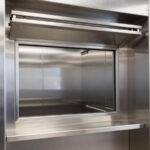
A dumbwaiter moves cargo; a passenger elevator moves people. That single difference drives everything else: car size (60–100 cm vs 100–200 cm+), capacity (100–250 kg vs 400–1,000 kg+), cost, and especially the regulation that applies. A passenger elevator is a much larger construction project with far stricter safety requirements; a dumbwaiter is a compact appliance-like installation. See what a dumbwaiter is and how it works for the full basics.
Dumbwaiter vs Passenger Elevator: Key Differences at a Glance
| Factor | Dumbwaiter | Passenger elevator |
|---|---|---|
| Carries | Goods only — food, trays, linen, documents | People (and their loads) |
| Car size | 60×60 to 100×100 cm | 100×130 cm and up |
| Capacity | 100–250 kg | 400–1,000 kg+ |
| Unit price (FOB) | US$2,265–$2,550 | US$15,000–$50,000+ |
| Installed cost | ~US$4,500–$8,500 | US$30,000–$120,000+ |
| Regulation | Lighter — goods-only | Strict — people safety, permits, inspections |
| Shaft size | ~75–115 cm | 150 cm+ plus machine room |
When a Dumbwaiter Is the Right Choice
Most dumbwaiter vs passenger elevator debates are settled by one simple test: do people need to ride between floors? If not, choose a dumbwaiter and move goods between floors:
- Restaurants and cafés moving meals and dishes — see the restaurant dumbwaiter guide.
- Hotels moving linen and room-service trays between service floors.
- Homes and villas moving groceries and laundry — see the home dumbwaiter guide.
- Hospitals moving meals and supplies while keeping clean flows separate — see the hospital dumbwaiter guide.
In these cases a passenger elevator would be a huge, unnecessary investment.
When You Actually Need a Passenger Elevator
You need a passenger elevator — not a dumbwaiter — when people must ride:
- Accessibility requirements (wheelchair access between floors).
- Customers or guests moving between levels in a public building.
- Staff or family members who need to travel vertically for any reason.
If the goal is accessibility or moving people, no dumbwaiter can substitute. Plan for a full elevator with its shaft, permits, and inspection regime.
Cost Comparison
The cost gap is the clearest reason buyers research the dumbwaiter vs passenger elevator difference:
- A traction dumbwaiter runs about US$2,265–$2,550 FOB, with typical installed totals of US$4,500–$8,500 — see the installation cost guide.
- A passenger elevator typically starts around US$15,000 for equipment alone, and installed projects frequently run US$30,000–$120,000 depending on travel, capacity, and building work.
That is a 5–15× difference. Getting the wrong one is an expensive mistake in either direction. The same question comes up one size down, in the dumbwaiter vs mini freight elevator comparison.
Regulation: A Big Hidden Difference
Beyond cost, dumbwaiter vs passenger elevator projects differ most in regulation. Both machines should be built to recognized standards such as those published by the American Society of Mechanical Engineers (ASME) — but the regulatory weight is very different:
- Dumbwaiters are goods-only lifts. In most jurisdictions they avoid the passenger-elevator permitting and inspection burden, which is why restaurants and homes can install them quickly.
- Passenger elevators are governed by strict codes, need engineered shafts, permits, and periodic inspections by certified authorities. Global majors such as Otis and Hitachi dominate this market for good reason — people safety demands their scale.
Frequently Asked Questions
Can a dumbwaiter carry people?
No. A dumbwaiter is designed for goods only, with a car too small for a person. For carrying people you need a passenger elevator, which is a much larger and more regulated installation.
Is a dumbwaiter cheaper than an elevator?
Yes, dramatically. A dumbwaiter is roughly US$2,265–$2,550 FOB with ~US$4,500–$8,500 installed, while a passenger elevator usually starts around US$15,000 and installed projects commonly run US$30,000+.
When do I need a passenger elevator instead of a dumbwaiter?
Whenever people need to ride: accessibility requirements, guests or customers moving between floors, or staff travel. A dumbwaiter cannot substitute for moving people.
What size shaft does a passenger elevator need vs a dumbwaiter?
A dumbwaiter fits a shaft of about 75–115 cm depending on car size — see our dimensions guide. A passenger elevator needs a much larger shaft (typically 150 cm+) plus machine-room space and structural work.
ServLifts: A Specialized Dumbwaiter Manufacturer
ServLifts is a Suzhou, China-based factory that builds only traction dumbwaiters and small service lifts — the goods-only category covered in this comparison. Our SC-A and RC-B series cover car sizes from 60×60×80 cm to 100×100×120 cm and capacities of 100–250 kg, with stainless-steel options, CE-marked components, and export documentation. If your project is about moving goods rather than people, we are the specialized partner for it; if you need passenger transport, we will tell you honestly that you need an elevator company. Ask us for a quote with your load and shaft details.
Conclusion
The dumbwaiter vs passenger elevator decision comes down to one question: are you moving goods or people? Goods between kitchen, laundry, or home floors — a dumbwaiter at US$4,500–$8,500 installed is the efficient answer. People — only a passenger elevator will do, at 5–15× the cost with the regulation to match. Know which one your building needs before you ask for quotes, and you will not overpay. Browse the ServLifts range or contact us for goods-lift pricing and guidance.
[…] or very large equipment between floors. For the deeper comparison, ServLifts publishes a clear dumbwaiter vs passenger elevator breakdown worth a read before you […]