Welcome to ServLifts Official Website

Dumbwaiter Dimensions & Shaft Guide: How to Choose the Right Size (2026)

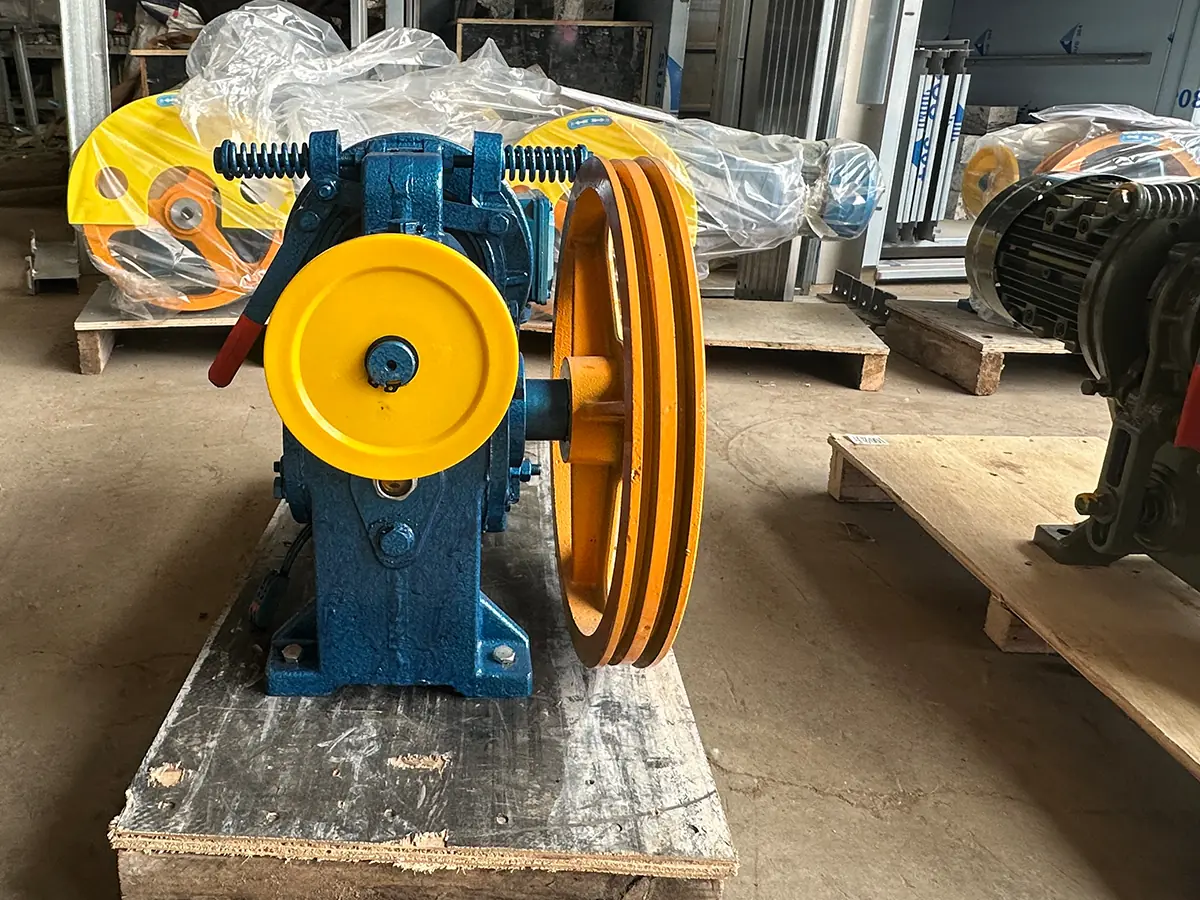
Table of Contents
Before you buy a dumbwaiter, you need to know one thing above all: dumbwaiter dimensions. The car size determines what you can carry, the shaft (hoistway) size determines whether the unit fits your building, and both together determine the cost. This 2026 guide gives you the standard dumbwaiter dimensions for restaurants, hotels, homes, and hospitals — plus the shaft, pit, and overhead requirements you need to plan with your architect.
Dumbwaiter Dimensions: Standard Car Sizes
Most specialized manufacturers offer a small range of standard car sizes. These are the common dumbwaiter dimensions you will see quoted:
| Car size (W×D×H) | Typical capacity | Best for |
|---|---|---|
| 60×60×80 cm | 100 kg | Trays, documents, small laundry |
| 70×70×100 cm | 120–150 kg | Cafés, small kitchens, offices |
| 80×80×100 cm | 150–200 kg | Most restaurants and hotels |
| 100×100×120 cm | 200–250 kg | Heavy linen, carts, high volume |
Custom sizes are common — factories adjust the car to fit your trays, carts, or shaft. The table above is a planning reference, not a limit.
Shaft (Hoistway) Dimensions
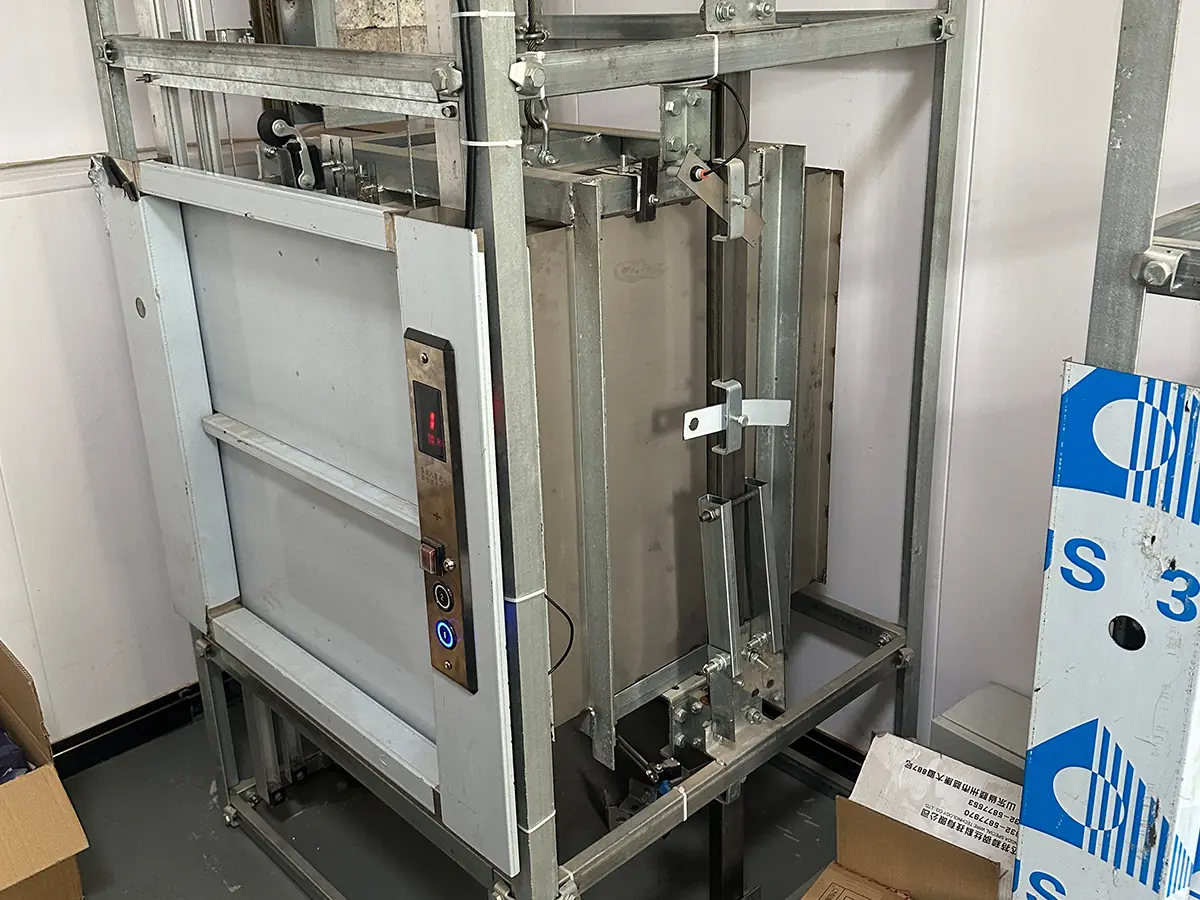
The shaft must be larger than the car to leave room for guide rails, door gear, and clearance. As a rough planning rule, add roughly 15–20 cm to the car width and depth:
- 60×60 cm car → shaft ≈ 75×75 cm
- 70×70 cm car → shaft ≈ 85×85 cm
- 80×80 cm car → shaft ≈ 95×95 cm
- 100×100 cm car → shaft ≈ 115×115 cm
These are planning approximations — the exact dumbwaiter dimensions and shaft requirements depend on the drive system, door type, and manufacturer design. Always confirm with the factory drawing before cutting any openings. Our installation guide covers the full preparation process.
Pit & Overhead Requirements
Modern traction dumbwaiters are the friendliest for retrofits:
- Pit depth: roughly 30–50 cm (or even less with machine-in-shaft designs) — much shallower than hydraulic units.
- Overhead: roughly 200–250 cm of machine space above the top floor for a traction unit.
- Travel height: typically up to 15–20 m depending on the model.
If your building has no pit at all, mention it to the manufacturer — some designs can run with a shallow or modified pit arrangement.
Door Opening Sizes
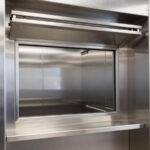
Doors come in two common styles: bi-parting (two panels sliding apart) and swing. The clear opening is usually slightly smaller than the car interior — for example, a 60 cm-wide car may have a ~55 cm opening. When you plan to send trays or carts through, confirm the clear door opening, not just the car size, against your largest item.
How to Measure for Your Building
When you measure a shaft or planned installation space:
- Width × depth of the shaft opening at every floor (they can vary).
- Floor-to-floor height and total travel distance.
- Pit depth and overhead height available.
- Wall construction (concrete, brick, stud) — it affects fixing and fire requirements.
- Power supply location near the machine space.
Send these numbers to the manufacturer with your load, and they will confirm which standard dumbwaiter dimensions fit — or propose a custom car.
In practice, dimension enquiries arrive under several spellings: dumbwaiter sizes, dumb waiter dimensions, and the occasional dumpwaiter or dumwaiter. All of them resolve to the same numbers — car width, depth and height, then shaft width, depth, pit and overhead. Write those seven figures down once and the spelling stops mattering.
Application-Based Sizing
Which size you need depends on what you carry:
- Restaurants and cafés: 60×60 cm to 80×80 cm, 100–200 kg — see the restaurant dumbwaiter guide and our notes on restaurant dumbwaiter load capacity.
- Hotels: 80×80 cm to 100×100 cm for linen and room-service carts.
- Homes and villas: 60×60 cm to 80×80 cm, 100–200 kg — see the home dumbwaiter guide.
- Hospitals: 80×80 cm and up for meal and supply carts — see the hospital dumbwaiter guide.
Factory Confirmation & Drawings
Never order on a generic size table alone. A credible factory — one that builds to recognized safety and design standards — will confirm your exact shaft dimensions and provide construction drawings before you finalize. Global elevator majors such as Otis and Hitachi rarely sell a single dumbwaiter with this level of attention; a specialized manufacturer usually does. Our manufacturer guide and factory guide explain how to verify a supplier before you commit.
ServLifts: A Specialized Manufacturer
ServLifts is a Suzhou, China-based factory that builds only traction dumbwaiters and small service lifts. Our SC-A (side counterweight) and RC-B (rear counterweight) series cover car sizes from 60×60×80 cm to 100×100×120 cm with capacities of 100–250 kg — and we confirm your exact shaft dimensions with a construction drawing before you order. Every unit is load-tested before it ships, and we will walk you through the drawings on a live call. See free construction sketch drawings to start planning, and check our price guide for cost expectations.
Frequently Asked Questions
What are the standard dumbwaiter dimensions?
Common car sizes are 60×60×80 cm, 70×70×100 cm, 80×80×100 cm, and 100×100×120 cm, with capacities of 100–250 kg. Shaft dimensions run roughly 15–20 cm larger than the car.
How much space does a dumbwaiter shaft need?
As a planning rule: a 60×60 cm car needs about a 75×75 cm shaft, an 80×80 cm car about 95×95 cm. Confirm exact dimensions with the factory drawing before construction.
What is the minimum pit depth for a dumbwaiter?
Modern traction dumbwaiters typically need only 30–50 cm of pit, and some machine-in-shaft designs run with even less. This makes retrofits far more practical than hydraulic units.
Can I get a custom dumbwaiter size?
Yes. Most specialized factories customize the car to fit your trays, carts, or shaft. Send your load and available shaft dimensions, and the manufacturer will propose a size.
Conclusion
Choosing the right dumbwaiter dimensions is the single most important step in your project: it decides what you can carry, whether the unit fits your building, and what it costs. Plan around the standard sizes, add shaft clearance, confirm pit and overhead, and always verify with a factory drawing before you cut any openings. Browse the ServLifts range or contact us with your shaft measurements and load — we will confirm the right size and send the drawing.
[…] the shaft early — our dimensions & shaft guide shows the sizes you need, and the installation guide covers preparation step by […]
[…] Global elevator majors such as Otis and Hitachi operate strongly in Indonesia’s passenger-elevator market, but a single restaurant food lift is rarely their focus — which is where specialized manufacturers fit. If you import yourself, follow the safe-buying rules: verify the factory, use 30/70 payment terms to a corporate account (see the payment guide), and confirm shaft dimensions with a drawing (dimensions guide). […]
[…] Size the car around your largest realistic load — a linen trolley or a stacked tray carrier — not the average. Your shaft must be roughly 15–20 cm larger than the car; confirm exact dimensions with the factory drawing before construction (dimensions guide). […]
[…] car size, capacity, stainless-steel finish, custom door configuration, and shaft work. Confirm your dumbwaiter dimensions before ordering to avoid rework […]
[…] dumbwaiter fits a shaft of about 75–115 cm depending on car size — see our dimensions guide. A passenger elevator needs a much larger shaft (typically 150 cm+) plus machine-room space […]
[…] somebody else’s datasheet. The machine will arrive, and it will not fit. We publish a full dumbwaiter dimensions guide for the same reason: buyers who know the numbers make better […]
[…] stainless steel cars with removable trays and a washable floor are the norm for hotel use. Our dumbwaiter dimensions guide lists shaft and pit requirements for every model we […]
[…] Once the kg rating is settled, confirm the car and shaft physically fit your building — read our dumbwaiter dimensions and shaft guide before you […]
[…] Where the shaft is tight, a side counterweight design puts the counterweight beside the car and keeps the overall footprint close to the car itself. Where there is depth behind the car but no width, a rear counterweight layout is cheaper and simpler to service. The trade-off is worth reading properly before you pour concrete on a dumbwaiter eastern europe project: see side counterweight versus rear counterweight and the full dumbwaiter dimensions guide. […]
[…] Those two numbers do a lot of legal work inside US dumbwaiter regulations. They are what keeps a dumbwaiter out of the passenger-elevator category, and they are also the first thing an inspector will measure if a unit is being used as something it was not approved as. If a supplier quotes you a car with a 1.5 m inside height and calls it a dumbwaiter, the label may not survive an inspection in a strict jurisdiction. Shaft and car dimensions are worked through in more detail in this dumbwaiter dimensions guide. […]
[…] shaft dimensions with the factory drawing before cutting openings — use the dimensions guide to […]
[…] hueco. El fallo más habitual y el más caro: una unidad que no entra. Verifique siempre contra el plano CAD de dimensiones antes de autorizar la […]
[…] restricción que decide todo suele ser dónde puede ir el contrapeso, no la cabina en sí. Nuestra guía de medidas y huecos (en inglés) recorre las dimensiones piso por […]
[…] and our buying guide lists the must-check specs. For dimension planning detail, ServLifts’ dumbwaiter dimensions guide is a useful […]
[…] the deciding constraint is usually where the counterweight can go, not the car itself. Our dumbwaiter dimensions and shaft guide walks through the measurements floor by […]
[…] both the installation and the accessibility of components for future dumbwaiter inspection, see the dumbwaiter dimensions and shaft guide, and for the wider installation process, the 2026 dumbwaiter installation […]
[…] للجانب الهندسي من التحقق نفسه، راجع دليل اختيار مصنع مصاعد الطعام في الصين (بالإنجليزية)، ويمكنك مقارنة ذلك بملف مصنعنا في صفحة من نحن. وإذا كنت تريد معرفة المتطلبات الفنية قبل الطلب، فمقاسات الحمولة والعربة والمساحة مشروحة في دليل الأبعاد والمساحات (بالإنجليزية). […]
[…] Car dimensions are the constraint that most often forces a change when commercial dumbwaiter lifts are specified. A shopper drawing a shaft will usually start from the car, and the shaft, pit and headroom figures follow from it. The dimensions that govern a shaft, including the minimum figures for each car size, are set out in the dumbwaiter dimensions and shaft guide. […]
[…] a rear counterweight. If the sequence above is the part you most want explained, our guide to dumbwaiter dimensions and car sizes is the companion page to this dumbwaiter selection […]
[…] the car size and shaft envelope are still open, the reference for those numbers is our dumbwaiter dimensions guide. For the load side of the same decision, see dumbwaiter restaurant load […]
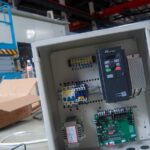
[…] Send a photograph of the distribution board as well, with the breaker ratings visible. It settles the supply question faster than any description. The car and shaft dimensions are set separately from the controls; the reference for those is our dumbwaiter dimensions guide. […]
[…] it has already outgrown the class. Car sizes and the clearances they need are set out in the dumbwaiter dimensions guide, which is best read alongside the standard rather than instead of […]
[…] are the parameter most often fixed too early and too tightly in a dumbwaiter specification. The dumbwaiter dimensions and shaft guide sets out clear openings for common car sizes, and the stainless steel choice guide covers 304 […]
[…] the same name can lead to two very different quotations depending on where the unit will stand. Our dumbwaiter dimensions and shaft guide covers the space you need, and the guide to the eight types of elevator shows where this family […]
[…] space you actually have. Before you fix the car, check the standard cabin and shaft pairs — the dumbwaiter dimensions and shaft guide lists them with the headroom and pit depth each one […]
[…] the door type and the drive — so if your architect is already drawing the opening, read the full dumbwaiter dimensions and shaft guide before the first line is […]
[…] and rated load from 100 kg to 250 kg — the same four car sizes published in our dumbwaiter dimensions guide. No profile below uses a car size outside that […]