Welcome to ServLifts Official Website

China Dumbwaiter Factory: How to Buy Direct From the Source and Avoid Costly Mistakes (2026 Guide)

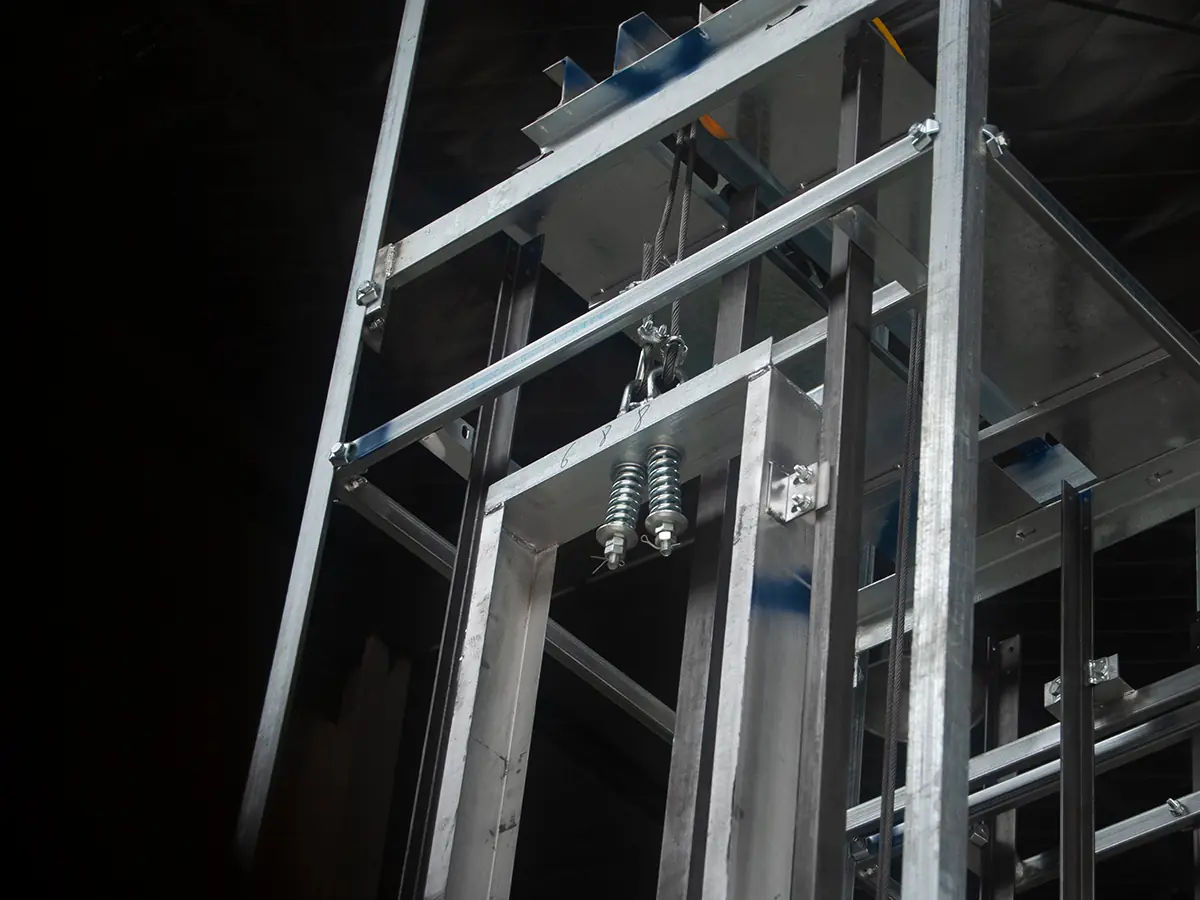
Table of Contents
- Why Buy Direct From a China Dumbwaiter Factory
- Factory vs Trading Company: How to Tell the Difference
- Where Is the Factory? Location, Cluster and Logistics
- Inside a Dumbwaiter Factory: From Steel to Shipment
- How to Verify a Factory Before You Order
- Factory Capabilities That Actually Matter
- OEM and Private Label From a China Dumbwaiter Factory
- Real Capacity vs Claimed Capacity
- Pre-Shipment Testing and Records
- Packing and Container Loading
- Common Pitfalls When Sourcing From a Factory
- Ordering: MOQ, Lead Time, Voltage and Support
- ServLifts: A Specialized Dumbwaiter Factory in China
- Frequently Asked Questions
- Conclusion
A large share of the world’s dumbwaiters and food lifts are manufactured in China, which is why so many importers search for a china dumbwaiter factory rather than a local dealer. Buying direct from a factory can mean better pricing, faster customization, and a closer relationship with the people who actually build your unit — but only if you are dealing with a real factory and not a trading company posing as one. This 2026 guide explains why factory-direct sourcing works, how to tell a genuine manufacturer from a middleman, and exactly how to verify a factory before you send a deposit.
Why Buy Direct From a China Dumbwaiter Factory
Three practical reasons push buyers toward factory-direct sourcing:
- Better pricing. A factory quotes ex-works or FOB pricing without a trader’s margin. You pay for the machine, not for two layers of markup.
- Real customization. Factories can adjust car size, voltage, control systems, and finish to your specification. Trading companies usually can only re-sell standard stock.
- Direct accountability. When something needs fixing, you talk to the manufacturer — spare parts, documentation, and technical support come from the source.
For a single restaurant, hotel, or villa unit, the savings and control from buying direct are often significant.
Factory vs Trading Company: How to Tell the Difference
This is the question buyers get wrong most often. A trading company can look very professional online — polished websites, product photos, quick quotes — while a genuine factory may have a simpler site. Here are the signals that separate a real factory from a middleman:
- Production evidence. Can they show you the actual workshop: welding stations, assembly lines, testing rigs, and finished units? Real factories have real photos and videos of their own facility.
- Product-line depth. Factories publish detailed specifications — car sizes, capacities, drive types, control options — across a range of models. Traders tend to have a thin, generic catalog.
- Engineering questions. Ask about voltage, frequency, hoistway dimensions, and safety systems. A factory answers precisely and can explain trade-offs; a trader hesitates.
- Certification and documentation. A genuine manufacturer produces its own compliance paperwork, CE declarations, and technical files. Ask to see the documents — and check the company name on them.
- Video calls and factory visits. A real factory will happily do a live video walk-through. A trader will make excuses.
If you are comparing candidates, our guide to choosing a dumbwaiter manufacturer in China covers supplier types and the full evaluation checklist in more depth.
Where Is the Factory? Location, Cluster and Logistics
The most common first question from an importer is blunt: where exactly is your factory? It is a fair question, because in China the address tells you a great deal about the supply chain standing behind the machine.
Elevator production in China is concentrated in a handful of industrial belts rather than spread evenly across the country:
| Industrial belt | Main cities | Best known for | What it means for your order |
|---|---|---|---|
| Yangtze River Delta | Suzhou, Wujiang, Wuxi, Ningbo, Huzhou | The deepest elevator and component supply chain in China, sitting beside the Shanghai and Ningbo export ports | Fast component sourcing, the widest spare-parts availability, and a short inland haul from workshop to container terminal |
| Pearl River Delta | Guangzhou, Foshan, Dongguan | High-volume and high-speed passenger elevator production with a strong export orientation | Strong on large passenger projects; small service lifts are usually a secondary line rather than the specialty |
| Bohai Rim | Qingdao, Dalian | Cost-driven residential elevator production | Competitive unit prices; a thinner component ecosystem around small lifts |
ServLifts is located in Wujiang, Suzhou, inside the Yangtze River Delta belt. Our workshop assembles complete traction dumbwaiters from fabrication through load testing, and we ship through Shanghai and Ningbo — the same ports most of the cluster’s export volume leaves from.
Why the address should matter to you when you buy from a China dumbwaiter factory: a service lift is a ten-plus-year asset, and what determines whether it is still running smoothly in year six is rarely the steel — it is whether a door operator, control board or traction component can be sourced quickly when it eventually needs replacing. A factory sitting inside the component cluster can pull a part from a supplier a few kilometres away; a factory outside it is ordering that same part from the cluster anyway, and adds weeks to your downtime.
The practical test during verification is simple: ask which city the workshop is in, then ask which city the main components come from. If those two answers sit in the same industrial belt, your spare-parts path is short for the life of the machine.
Inside a Dumbwaiter Factory: From Steel to Shipment
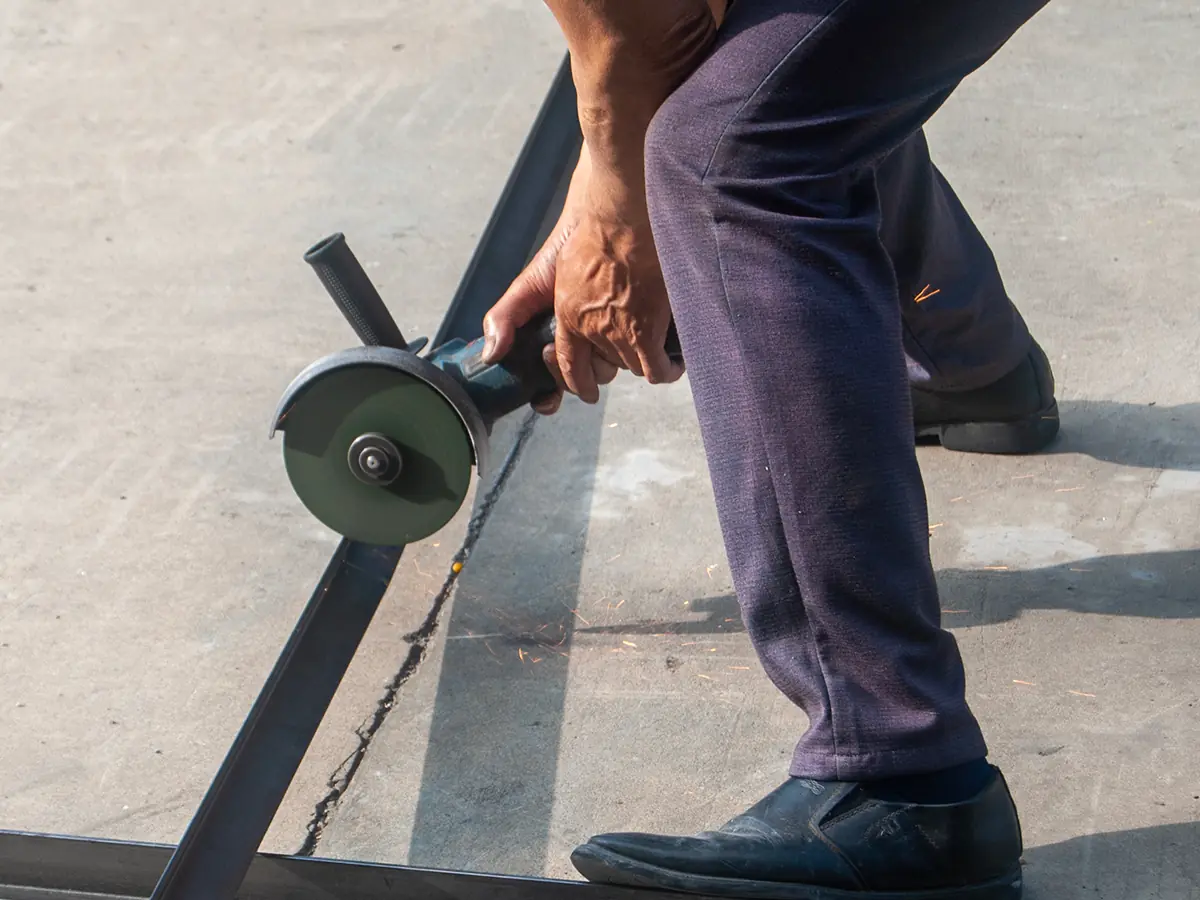
Understanding what happens inside a real factory helps you ask better questions. A typical china dumbwaiter factory runs through these stages:
- Fabrication. Steel frames, car structures, and counterweight assemblies are cut and welded to specification.
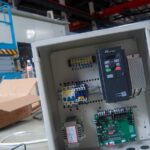
- Component integration. The traction machine, guide rails, control panel, and safety devices are fitted. This is where build quality shows — cheap components fail early.
- Finishing. Cars are finished in stainless steel or powder-coated steel, depending on the application and hygiene requirements.
- Testing. Every unit is load-tested and run through its control cycle before packing. A factory that tests each unit is worth more than one that doesn’t.
- Packaging and shipping. Units are crated for export and documented for customs.
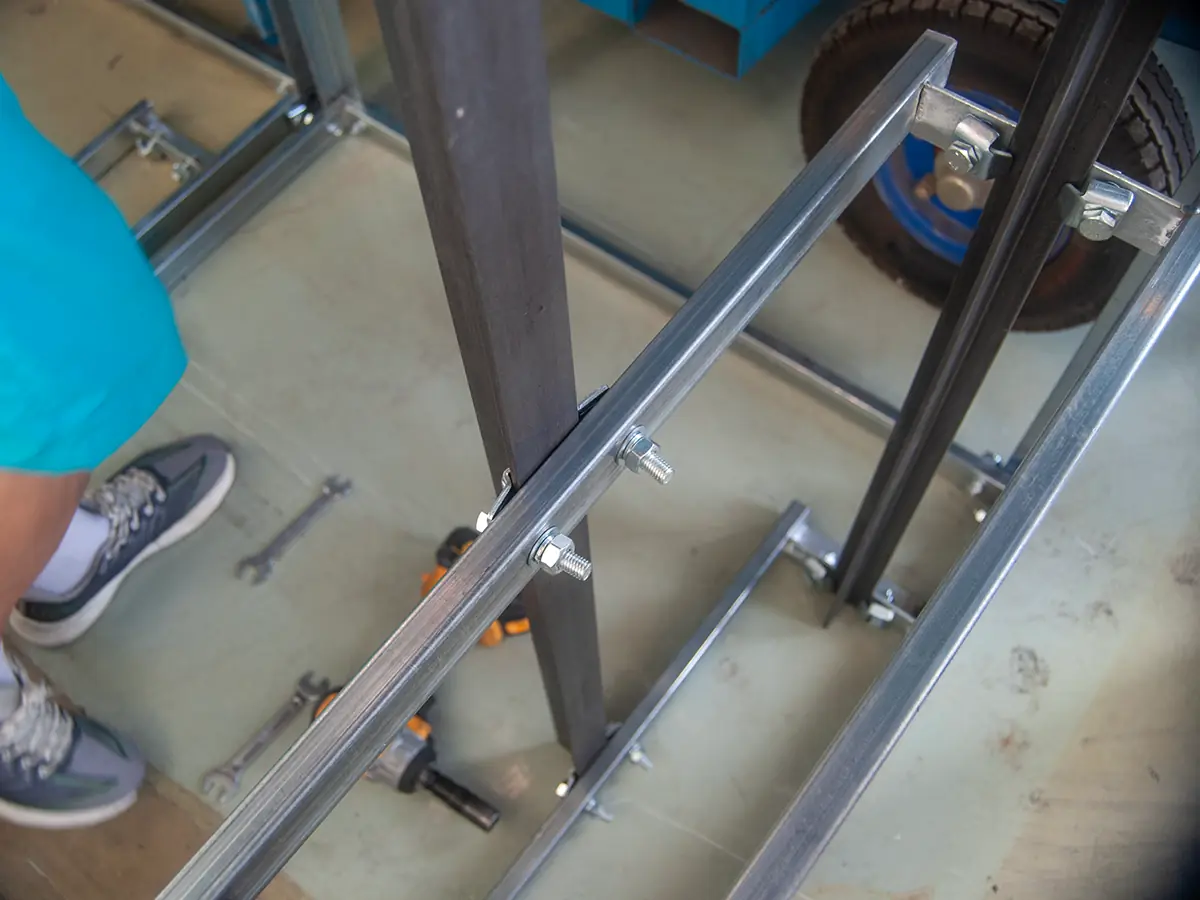
During a video call, ask to see each of these stages live. If they can walk you from the steel rack to the test rig, you are almost certainly talking to a real factory.
How to Verify a Factory Before You Order
Before you send a deposit to a china dumbwaiter factory, run through this checklist:
- Ask for a live video walk-through of the workshop and the actual unit being built for you.
- Request the compliance file — CE declaration, wiring diagrams, and any third-party test reports. Confirm the company name matches the one you are paying.
- Check that the unit meets recognized standards. A credible factory builds to the safety and design standards published by bodies such as the American Society of Mechanical Engineers (ASME).
- Ask for shipping history — which ports they ship to regularly and which countries their units are installed in.
- Start with a small order or a sample unit before committing to volume. A real factory is comfortable with a first unit; a trader is not.
Factory Capabilities That Actually Matter
Not all factories are equal. When comparing, focus on capabilities that affect your project:
- Customization speed. How quickly can they build to your voltage, car size, and finish?
- Capacity range. Can they cover everything from a 60×60 cm pantry unit to a 100×100 cm heavy-duty model? A narrow range may mean a niche shop or a trader.
- Quality control. Do they test every unit, or only spot-check? Ask for their QC process in detail.
- Export experience. Familiarity with your region’s ports, documentation, and voltage standards reduces friction dramatically.
Global elevator majors such as Otis and Hitachi make excellent passenger lifts, but their small-goods-lift lines are typically secondary — for a dedicated dumbwaiter, a specialized factory is usually the better fit. For most buyers, a traction dumbwaiter is also the right drive system to look for: no hydraulic oil, lower standby power, and simpler inspection.
OEM and Private Label: What a China Dumbwaiter Factory Can Brand for You
Importers who sell under their own name eventually ask the same question: can the factory put my brand on the machine? For a dumbwaiter the answer is usually yes, but the scope of what can be branded is narrower than most buyers assume, and the limits matter more than the permission. A China dumbwaiter factory can print a nameplate, a manual and a carton mark. It cannot always transfer the certificate that goes with them.
What Can Be Branded, and What Cannot
Four items are straightforward for a China dumbwaiter factory to change. The nameplate on the car and on the control panel, the manual cover and footer, the carton and crate markings, and the sticker set applied at commissioning. All four are printed material, and a China dumbwaiter factory that builds its own units can change them without touching the design.
Three items are not straightforward, and no China dumbwaiter factory can change them for you: the certificate, the type-test report, and any declaration of conformity that names the original manufacturer. These are issued to a legal entity, not to a brand. If you plan to sell under your own name into a market that requires a certificate, ask the China dumbwaiter factory whether the document can be re-issued in your company name, whether it can be attached as an annex to the existing one, or whether you must hold your own. Getting this wrong is expensive: a container can be refused at the port over a document mismatch that has nothing to do with the machine.
A fourth item sits in between: serial-number traceability. If the factory stamps a serial on the car frame and logs it against test records, ask whether that log will carry your brand or theirs. In year four, when a part needs replacing, that log is what connects your customer’s unit back to a build file — and a China dumbwaiter factory that keeps it properly is worth more than one that quotes a lower price.
Where ODM Stops Being Worth It
ODM — where a China dumbwaiter factory supplies a design you then brand — is a reasonable route for a standard pantry or food lift. It stops being reasonable at two points. First, when your market’s standard differs materially from the design’s original market: a unit engineered for a 220 V, 50 Hz destination and re-labelled for a 60 Hz market is a warranty claim waiting to happen. Second, when the car size you need sits outside the platform’s tooling, in which case you are paying custom-build money for something described as standard.
The practical test is to ask the China dumbwaiter factory to name three specification changes they can make without new tooling, and three they cannot. A China dumbwaiter factory that answers precisely is describing its real platform. One that says everything is possible is describing a sales target rather than a production line.
Real Capacity vs Claimed Capacity at a China Dumbwaiter Factory
Capacity claims are the least verifiable number in any quotation. “We produce five hundred units a month” means little without knowing how many assembly positions exist, how many of those units share a platform, and what share of the floor is committed to passenger elevators. For a buyer placing one or two units, the useful question is not total capacity but the queue you would join.
Four Questions That Expose Real Capacity
Ask these on a video call, in this order, and note how quickly the answers come. A China dumbwaiter factory that answers all four without leaving the frame is showing you its floor rather than its brochure.
- How many assembly positions are working today? A number you can count on camera is worth more than a number in a PDF.
- What is on the floor right now? Ask them to walk the camera past the units in build and say what each one is. A factory with two units in progress and a claim of high volume is not lying about the building — it is telling you about the order book.
- What is the current queue? How many units sit ahead of yours, and what is the realistic start date rather than the optimistic one.
- Who builds the traction machine and the control panel? Almost no China dumbwaiter factory makes both in house. What matters is whether the supplier relationship is direct and how long it has run, because that relationship is the spare-parts path in year five.
A slot in the queue is the real product you are buying. A factory that quotes fifteen to twenty-five working days for a standard unit and can show you the queue behind that estimate is giving you something checkable. One that quotes the same lead time while describing the floor vaguely is quoting a hope, and the China dumbwaiter factory that misses a date rarely misses it by a week.
Why Seasonality Shows Up as a Lead-Time Gap
Lead time on a China dumbwaiter factory quotation is usually a range rather than a promise, because production capacity is not the only constraint. Component supply tightens around Chinese New Year, when upstream suppliers close for two to four weeks and orders placed in late January slip further than the quoted range suggests. The same applies to peak construction seasons in your own market, when several buyers order at once and land in the same queue.
The way to protect a schedule is not to negotiate the number down. It is to ask when the factory’s own busy period falls, and to place the order early enough that the quoted range absorbs it. A China dumbwaiter factory that volunteers this information is worth more than one that quotes a tighter number and then explains, three weeks later, why the container is not ready.
Pre-Shipment Testing: What a China Dumbwaiter Factory Should Show You
Testing is the part of choosing a China dumbwaiter factory that buyers accept most readily and verify least. Almost every supplier says each unit is tested before packing. Very few buyers ask what the test consists of, who signs the record, and whether they will see it before the container is sealed. Those three questions separate a China dumbwaiter factory that tests from one that runs the motor once and calls it testing.
The Test Record a China Dumbwaiter Factory Signs
A credible sequence at a China dumbwaiter factory covers four areas: a load test at rated capacity with the car travelling the full shaft, a complete control cycle including every landing call and door operation, a check of the safety devices, and a run-in period long enough to catch a misaligned guide or a noisy traction machine before crating. What turns that list from a claim into evidence is a signed record carrying the unit’s serial number.
Ask the China dumbwaiter factory for one before you order, from a previous unit, and read it. A single page with four test names, a date, a serial number and a signature tells you more about quality control than a page of marketing copy. If the record carries no serial number, it was not written for a specific machine — and a China dumbwaiter factory that cannot tie a record to a unit cannot tie a fault to a cause either.
Then ask for the record of your own unit before packing, sent as a photograph together with the load test. Refusing a photograph of a test sheet is an odd position for a factory to take, and the ones that refuse are telling you something useful about the filing cabinet your unit is about to enter.
Packing and Container Loading for a China Dumbwaiter Factory Order
Damage in transit is the most common reason a service lift from a China dumbwaiter factory arrives with a problem, and it is almost always a packing decision rather than a manufacturing one. A dumbwaiter ships as several pieces — car, frame sections, guide rails, traction machine, control panel, doors — and each piece has a different weakness. A China dumbwaiter factory that has shipped for years knows them. A China dumbwaiter factory that has not will learn them on your container.
The rails bend, the panel dents, and a finished car surface scratches. Packing by piece rather than by pallet handles all three: rails bundled and supported along their length, the control panel in its own foam-lined crate, and the car wrapped and braced so it does not carry the weight of anything stacked above it.
Two things are worth asking a China dumbwaiter factory before the container is loaded. First, whether the packing list matches the bill of materials item by item, because a missing bracket becomes a two-week delay at commissioning. Second, whether the crate is export plywood, which most destinations accept without fumigation paperwork, or solid wood, which may require it. Neither question is technical. Both decide whether the unit arrives usable, which is the only measure of packing that matters.
The last check is the simplest: ask the China dumbwaiter factory for photographs of the loaded container, crates in place and braced, before the doors close. It takes them two minutes and it removes the only part of the journey you cannot otherwise see.
Common Pitfalls When Sourcing From a Factory
Even after you find a promising china dumbwaiter factory, watch for these common mistakes:
- Paying a trader’s price without factory benefits. Always confirm you are buying from the manufacturer, not a re-seller.
- Specifying only a model number. State load, car size, voltage, and finish explicitly so the quote matches your needs.
- Ignoring the hoistway. Confirm shaft dimensions and pit depth with your architect before ordering — rework is expensive.
- Forgetting after-sales. A dumbwaiter is a 10-plus-year asset. Confirm spare parts availability and who provides technical support after delivery.
Application matters too — a home dumbwaiter, a hospital dumbwaiter, and a restaurant food lift each have specific sizing and hygiene considerations, but the factory-verification checklist above applies to all of them.
Ordering From a China Dumbwaiter Factory: MOQ, Lead Time, Voltage and Support
The verification checklist above tells you whether a supplier is a real factory. These five questions tell you whether the order itself will run smoothly — they are the ones buyers ask once verification is done and the conversation turns commercial.
Is there a minimum order quantity?
There is no blanket MOQ. We quote per project, and a single dumbwaiter is a normal order — a one-unit restaurant, hotel or villa project receives the same engineering attention as a multi-unit order. For most China dumbwaiter factory operations, volume changes the unit price; it does not change whether the job is worth taking.
What is the lead time?
Standard traction models take 15–25 working days to produce. Custom specifications, non-standard shaft dimensions and peak-season slots run 25–45 days. Spare parts held in stock ship within 3 working days. Ocean freight sits on top — typically 20–45 days depending on destination and route, so plan the site programme around both numbers, not just the factory one.
What loads, floors and voltages are available?
Standard car capacities are 50 / 100 / 200 / 250 / 300 kg, with customisation available. Standard travel is 2–6 floors, and taller shafts are built to your building height on request. We supply 220 V or 380 V and build to the frequency your market uses, so the same model can be delivered to Southeast Asia, the Gulf, Africa or Latin America without a voltage surprise at commissioning.
What warranty and after-sales support come with the unit?
12 months on the complete machine, lifetime remote technical support, and a full set of spare parts supplied with the unit — so a local technician can service it without waiting on an international shipment. Remote commissioning guidance is included for first-time installers.
What do you need from me to quote?
Five things: load, number of floors or travel height, shaft or cabin dimensions, voltage, and destination country and port. You get back a written quotation plus free CAD shaft installation drawings, so your builder can confirm the pit, overhead and clearances before any money moves. If you are still comparing suppliers, ask every China dumbwaiter factory on your shortlist for those same five points in writing — the difference in how clearly they answer tells you most of what you need to know before price is even discussed.
ServLifts: A Specialized Dumbwaiter Factory in China
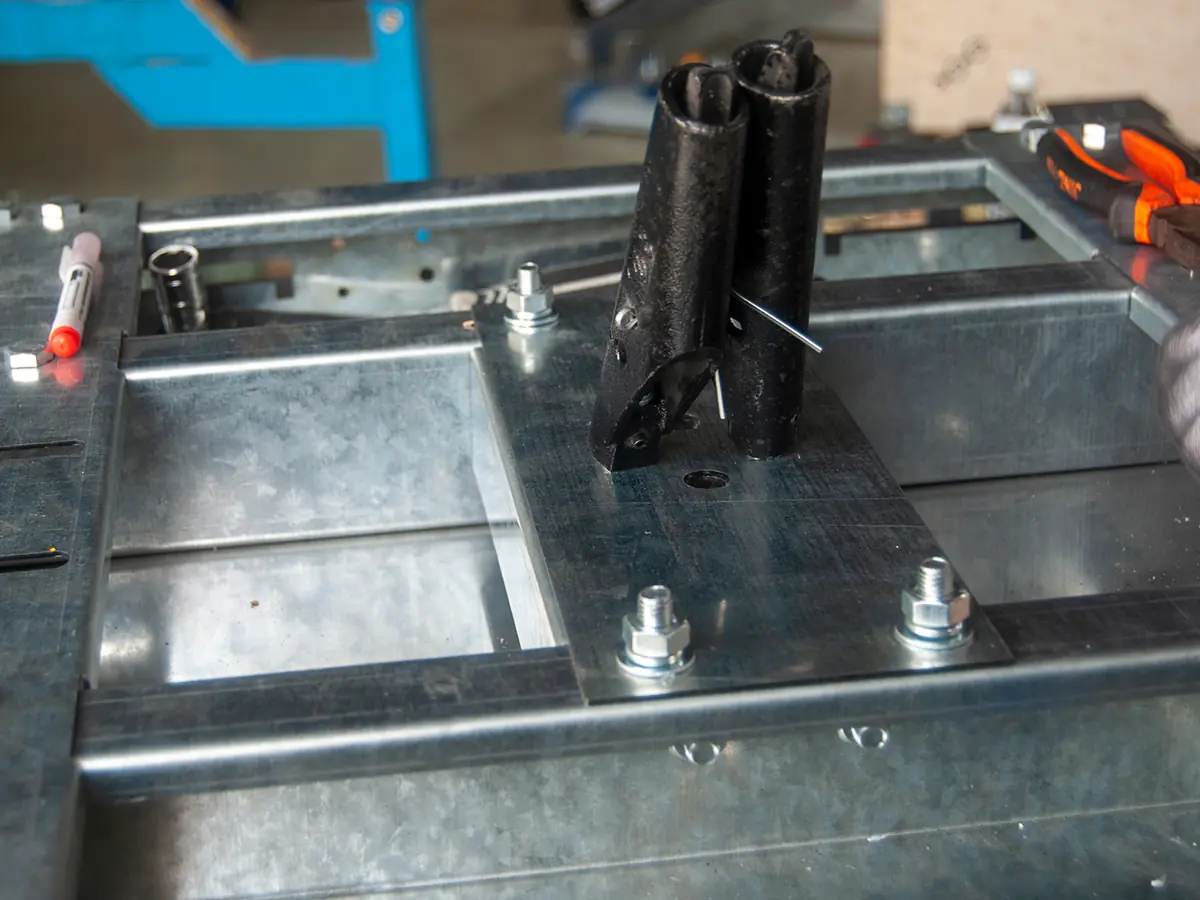
ServLifts is a Suzhou, China-based factory that builds only traction dumbwaiters and small service lifts — no passenger elevators, no unrelated product lines. What that means for buyers is straightforward: our engineering, assembly, and quality control are all tuned to this one product. We offer the SC-A (side counterweight) and RC-B (rear counterweight) series, with car sizes from 60×60×80 cm to 100×100×120 cm and capacities of 100–250 kg. Standard FOB pricing runs about US$2,265–$2,550 per unit depending on configuration, with a 10% first-order discount for new buyers. A single villa or restaurant order gets the same attention as a larger one — that is the point of specializing.
If you want to see the factory floor before you commit, we will show you around on a live video call, walk you through the compliance file, and answer engineering questions directly. Our step-by-step import guide also walks through everything from quote to delivery.
Frequently Asked Questions
How do I know if a China dumbwaiter factory is a real factory?
Ask for a live video walk-through of the workshop, request the compliance file and check the company name, and test them with engineering questions about voltage, hoistway, and safety systems. Real factories answer precisely and welcome video verification.
Is it cheaper to buy a dumbwaiter direct from a Chinese factory?
Usually yes — factory-direct pricing removes the trader’s margin. Standard ServLifts FOB pricing runs about US$2,265–$2,550 per unit depending on size and configuration, with a 10% first-order discount.
Can a Chinese factory customize a dumbwaiter to my voltage?
Yes. Factories build to your market’s voltage and frequency (220–240 V / 50 Hz is standard across most of Asia and Africa; 60 Hz is available on request). State your spec clearly in the quotation.
What should I check before sending a deposit?
Verify the factory with a video call, confirm the specification in writing (load, car size, voltage, finish), review the compliance documentation, and clarify Incoterms and delivery timeline. Start with a single unit if you are unsure.
What certifications and documentation come with a ServLifts dumbwaiter?
Units ship with CE-marked components and import documentation suited to your destination, including the compliance file, wiring diagrams, and an installation manual. Third-party inspection before shipment is available on request.
Conclusion
Buying direct from a china dumbwaiter factory is the right move for most importers — the pricing, customization, and accountability are hard to beat. The key is verifying that you are actually dealing with a factory: ask for live production evidence, detailed engineering answers, and the compliance file. A specialized factory that builds only dumbwaiters, like ServLifts, combines the benefits of factory-direct sourcing with a product line focused entirely on what you are buying.
Ready to talk to the factory directly? Contact us with your car size, load, and destination port — we will quote you direct from the floor.
[…] the manufacturer with a live video call and the compliance file — see our guide to buying from a China dumbwaiter factory for the full […]
[…] the manufacturer with a live video call and the compliance file — our China dumbwaiter factory guide covers the full […]
[…] Some suppliers are trading companies that source from various factories. A factory-integrating manufacturer (one that assembles and tests in its own workshop) gives you more direct control over quality and documentation. When evaluating, ask whether you are speaking to the factory or a reseller. For a step-by-step look at verifying and buying from a factory directly, see our China dumbwaiter factory guide. […]
[…] on the factory floor. If a manufacturer cannot show you this step, that is a warning sign. Our China dumbwaiter factory guide explains how to verify the factory and its QC […]
[…] China dumbwaiter factory guide has the full verification checklist, including what a credible factory builds to — standards like […]
[…] with this level of attention; a specialized manufacturer usually does. Our manufacturer guide and factory guide explain how to verify a supplier before you […]
[…] is comfortable starting with a single unit. That is how most export relationships begin — see our factory guide for the full verification […]
[…] Source specialized factories, not traders — use the manufacturer guide and factory verification guide. […]
[…] manufacturer is usually the better fit. Our guide to choosing a dumbwaiter manufacturer and China dumbwaiter factory guide walk through how to evaluate suppliers […]
[…] It also helps to know what a Chinese dumbwaiter factory actually looks like from the inside. We describe ours, machine by machine, in this walkthrough of what happens inside a china dumbwaiter factory. […]
[…] than prices, our list of dumbwaiter manufacturers in China explains how to read a quotation, and what a real China dumbwaiter factory should document when you […]
[…] who want to apply the same list to the place where units are actually assembled will find it in the china dumbwaiter factory […]
[…] the ServLifts team with your project details, or start with the China dumbwaiter factory guide if you are still selecting a […]
[…] a specialized manufacturer is usually the more practical choice — our manufacturer guide and factory guide explain how to evaluate […]
[…] sites, two pages go deeper: dumbwaiter manufacturer in China covers how to qualify a factory, and China dumbwaiter factory covers what happens inside one. If the question is drive type rather than site geometry, the […]