Welcome to ServLifts Official Website

Dumbwaiter Middle East: 7 Proven Models for GCC Hotels 2026
A practical 2026 buying guide for dumbwaiter Middle East projects: GCC country specs, voltage and frequency, hotel car sizing, SASO/SABER documentation, shipping time and FOB price ranges.

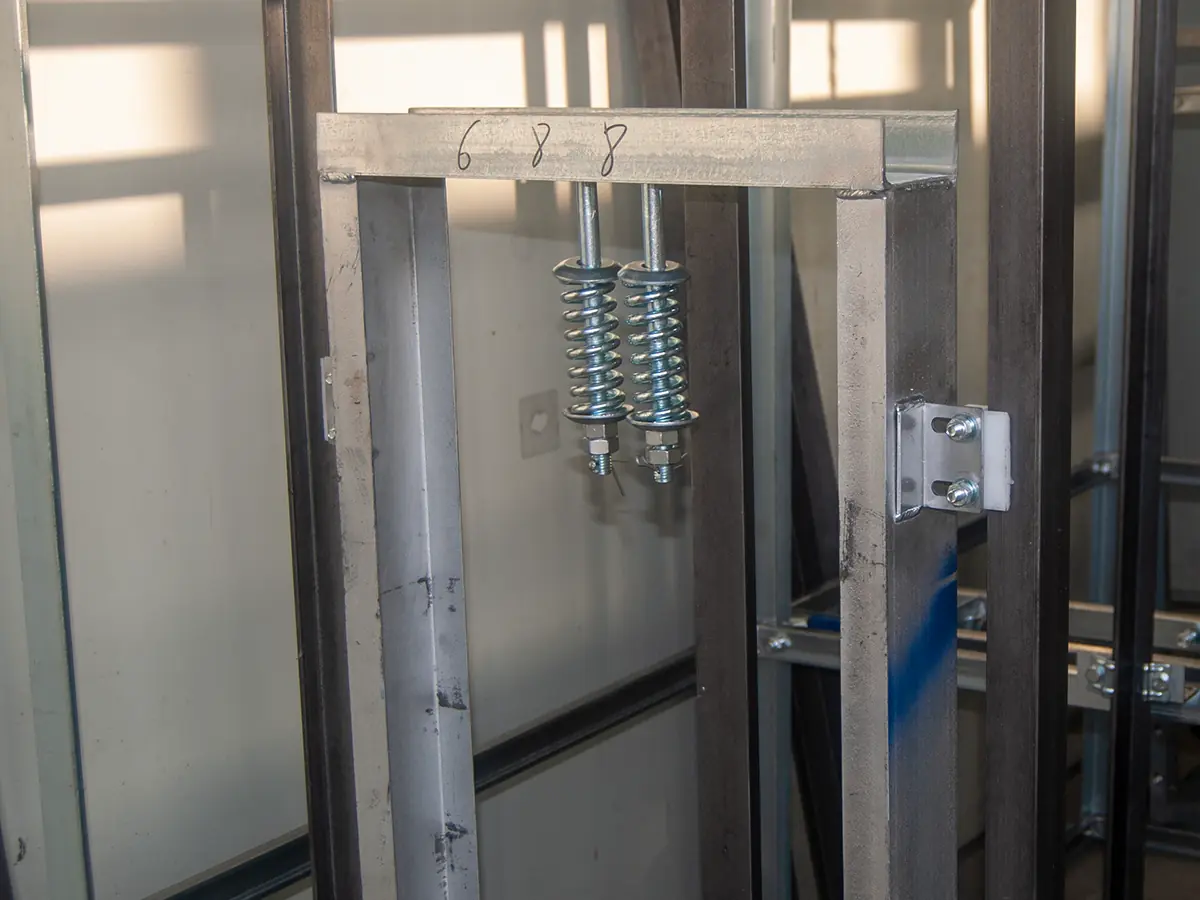
Table of Contents
- Why the Middle East Is a Growing Dumbwaiter Market
- Country by Country: Saudi Arabia, UAE, Qatar and Türkiye
- Dumbwaiter Middle East: Local Dealers vs Factory-Direct
- Sizing a Dumbwaiter Middle East Hotels Can Actually Use
- Built for Heat, Dust and 24/7 Kitchen Loads
- Power and Compliance: 220-380V, CE and SASO/SABER
- Shipping, Customs and Lead Time to GCC Ports
- Dumbwaiter Middle East Price Ranges for 2026
- Frequently Asked Questions
- Conclusion
Hotel towers, catering kitchens and hospital wings are going up across the Gulf faster than the service lifts that feed them. For a dumbwaiter Middle East projects can rely on — 300 meals a day, a machine space at 45 °C, 380 V power you cannot rewire after handover — the specification has to be settled before the shaft is poured, not after the container lands.
This guide is written for the contractor, hotel engineer or restaurant owner buying for dumbwaiter Middle East sites: which countries and rules matter, how to size the car, what heat and dust do to a control panel, the documents customs ask for, and the FOB price band a dumbwaiter Middle East buyer should expect on a real quotation.
Why the Middle East Is a Growing Dumbwaiter Market
Three forces are pushing demand for small goods lifts across the region at once, and each one shapes the dumbwaiter Middle East buyers end up specifying.
1. Hospitality construction. Saudi giga-projects and Vision 2030 tourism targets, Qatar’s post-2022 hotel stock and the UAE’s pipeline of resorts and branded residences all specify service lifts for room service, laundry and kitchen supply. A 300-key hotel usually needs two or three – and that is the kind of volume a dumbwaiter Middle East supplier should be able to support.
2. Labour and speed. Carrying 60 kg of crockery or linen up three flights is slow, injury-prone and expensive, so a dumbwaiter Middle East hotel projects install usually pays for itself in labour within 18 to 24 months.
3. Building shape. Gulf buildings are compact in plan and tall — exactly where a dedicated goods lift beats moving staff and trolleys through guest areas. The region imports most of its service lifts, and buyers here compare Chinese factory-direct supply with European brands on price, lead time and spares rather than prestige.
Country by Country: Saudi Arabia, UAE, Qatar and Türkiye
Do not treat “the Middle East” as one electrical market. Voltage, frequency and conformity rules differ, and a machine built for the wrong one becomes a warranty dispute at commissioning.
| Market | Power | Conformity | Main entry ports |
|---|---|---|---|
| Saudi Arabia | 220/380 V, 60 Hz | SASO / SABER | Jeddah, Dammam, Riyadh (dry) |
| UAE | 230/400 V, 50 Hz | ESMA / ECAS | Jebel Ali, Khalifa, Sharjah |
| Qatar | 240/415 V, 50 Hz | QGOSM registration | Hamad |
| Türkiye | 230/400 V, 50 Hz | CE marking | Mersin, Istanbul, Izmir |
Saudi Arabia runs 60 Hz while the UAE, Qatar and Türkiye run 50 Hz, so the traction motor, contactors and control transformer must be ordered for the right frequency and written on the purchase order. Türkiye is a CE market, so the same unit that clears Mersin is the one you would ship to Eastern Europe.
Dumbwaiter Middle East: Local Dealers vs Factory-Direct
Most regional buyers face the same choice: order from a local trading company that holds stock and can send a technician, or buy direct from a specialised factory and manage installation with your own contractor.
Local dealers suit a one-off replacement — standard models may arrive within the week and their technician is 40 minutes away, but you pay a margin of roughly 25 to 60 per cent and you rarely get a non-standard car size, a specific frequency, or a factory drawing stamped for your consultant inside the tender timetable.
Factory-direct supply wins on specification and price: custom car and shaft drawings, a 60 Hz or 50 Hz build, control cabinets and spare parts from one source, and an FOB price with no distributor layer. Installation and shaft steelwork stay yours to organise — routine for a 250 kg goods lift, and well understood by Gulf fit-out contractors, who can also be appointed on a service-only basis.
Sizing a Dumbwaiter Middle East Hotels Can Actually Use
Size is decided by what you must move, not by the shaft you happen to have. Most dumbwaiter Middle East hospitality applications land in this range:
| Service | Car (W×D×H) | Capacity | Typical stops |
|---|---|---|---|
| Room service trays, floor pantries | 60×60×80 cm | 100 kg | 3–6 |
| Restaurant kitchen to floor | 80×80×100 cm | 150–200 kg | 2–5 |
| Banqueting trolleys, laundry | 100×100×120 cm | 250 kg | 4–8 |
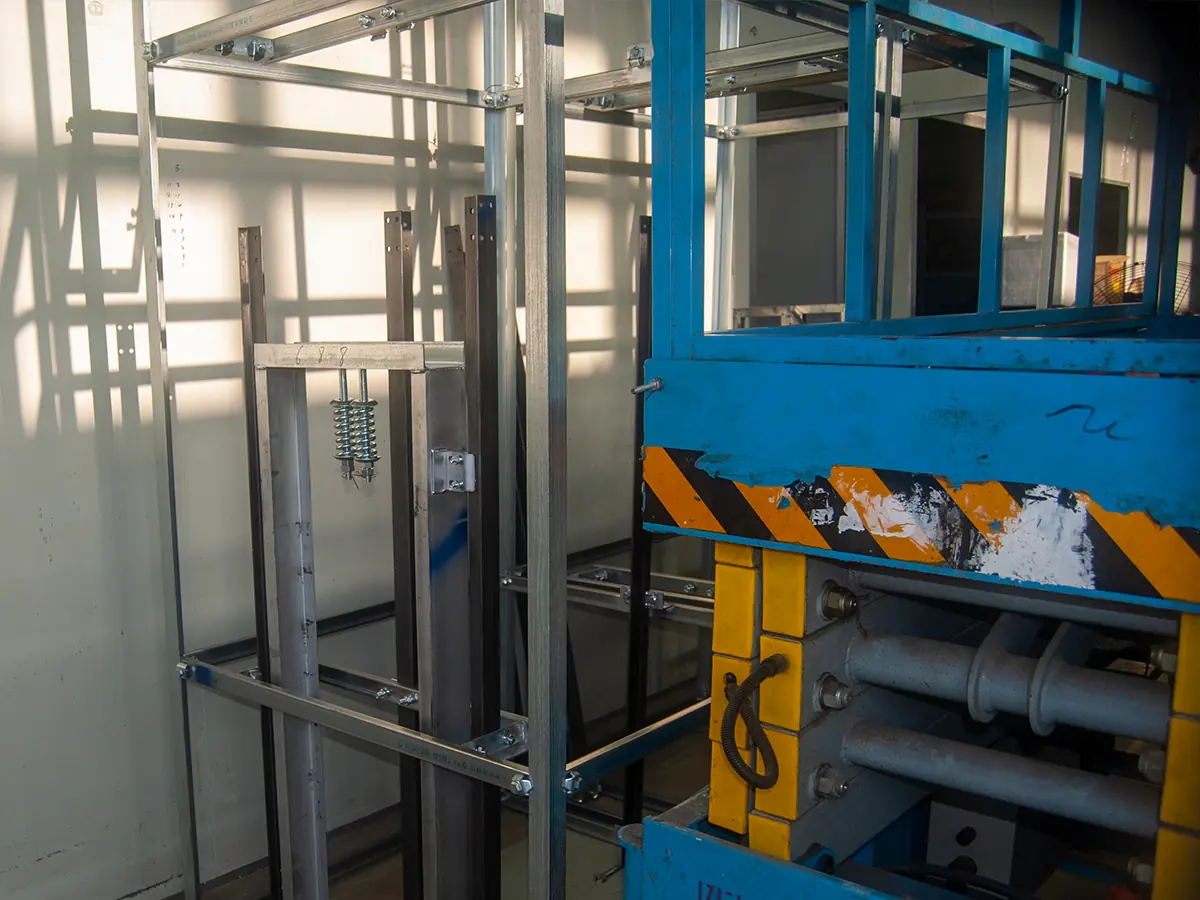
Two things go wrong most often in the Gulf. The shaft is built to the clear internal size of the car without allowing for guide rails, counterweight travel and a service door — check the shaft envelope before the blockwork is finished. And hygiene gets assumed rather than specified: stainless steel cars with removable trays and a washable floor are the norm for hotel use. Our dumbwaiter dimensions guide lists shaft and pit requirements for every model we build.
Built for Heat, Dust and 24/7 Kitchen Loads
Machinery that performs in a European plant room does not automatically survive a Gulf machine space: ambient temperatures of 45 to 50 °C, fine dust in every gap, and a service lift that rarely gets a quiet night. A dumbwaiter Middle East building installs faces all three problems.
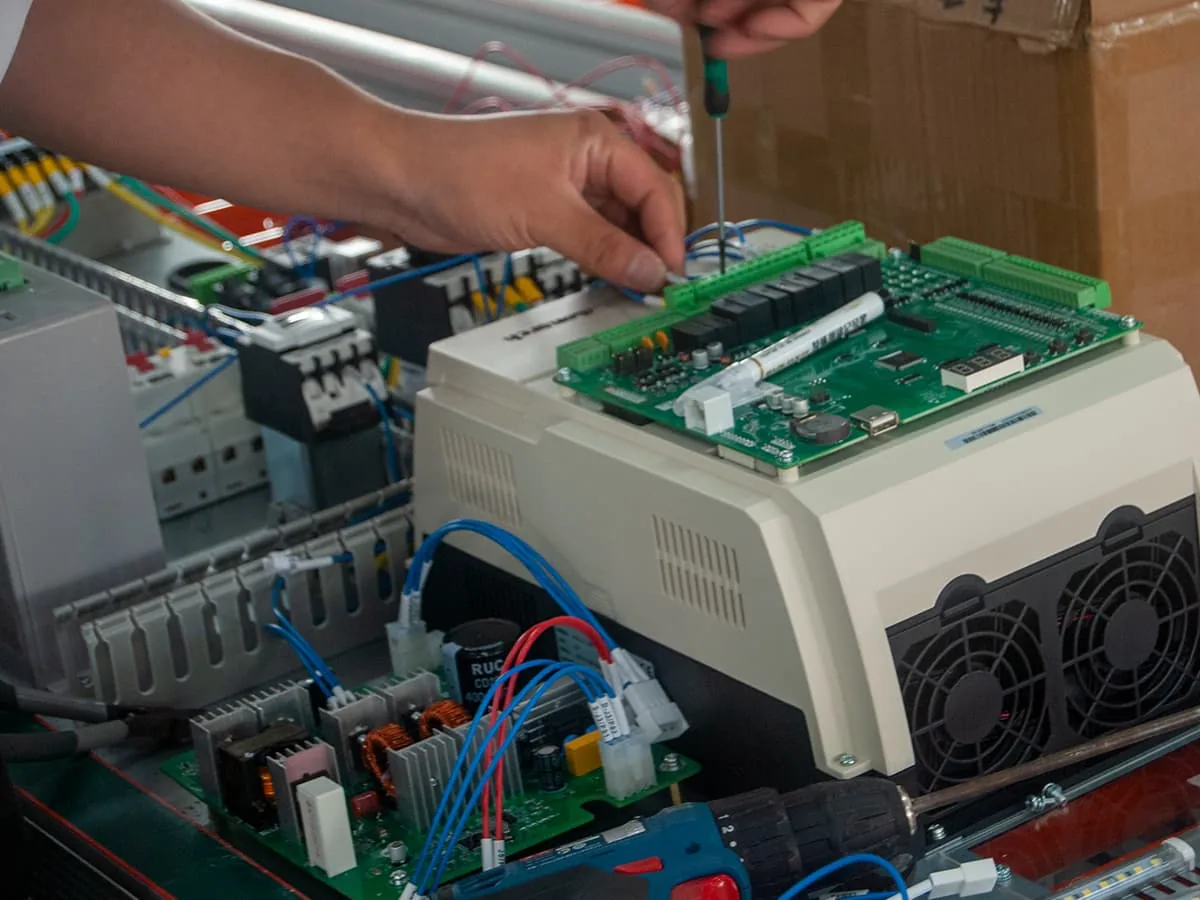
Require an IP-rated control enclosure with ventilation clearance, a duty rating that supports continuous meal-period cycles rather than an intermittent domestic figure, dust-filtered controller ventilation, and a traction machine sized with headroom rather than at the limit. Lubrication points should be reachable from the landing door, because a machine-room visit is a scheduled item, not a routine one.
The safety framework should be traceable, too — many regional consultants accept designs following recognised goods-lift standards, and the most common international reference is ASME A17.1. Ask any supplier which standard their design follows and whether a test report is included.
Power and Compliance: 220-380V, CE and SASO/SABER
Electrical documentation is where a cheap quotation quietly becomes expensive. Confirm three items on paper before releasing a dumbwaiter Middle East order.
Voltage and frequency. A 380 V/50 Hz unit will not happily serve a 60 Hz Saudi site unless it was ordered that way. Give the supplier the site frequency and expected motor power — 0.75, 1.1 or 1.5 kW covers most 100–250 kg dumbwaiters.
Conformity route. For Saudi Arabia, plan for SASO/SABER and confirm which certificate is needed before the container is loaded; details are published by the Saudi Standards, Metrology and Quality Organization. The UAE uses ESMA/ECAS; Türkiye accepts CE.
Documentation and spares. Expect the CE certificate where applicable, a test report for the finished unit, a wiring diagram, the operation and maintenance manual, and a spare-parts list with part numbers. Then ask what fails first and how fast it can be airfreighted — on remote sites, holding one spare controller and a door interlock locally saves more downtime than any warranty clause.
Shipping, Customs and Lead Time to GCC Ports
A single dumbwaiter Middle East unit packs into one crate and fits an LCL shipment or the spare space in a 40 HQ container; orders of three or more units ship as a dedicated load.
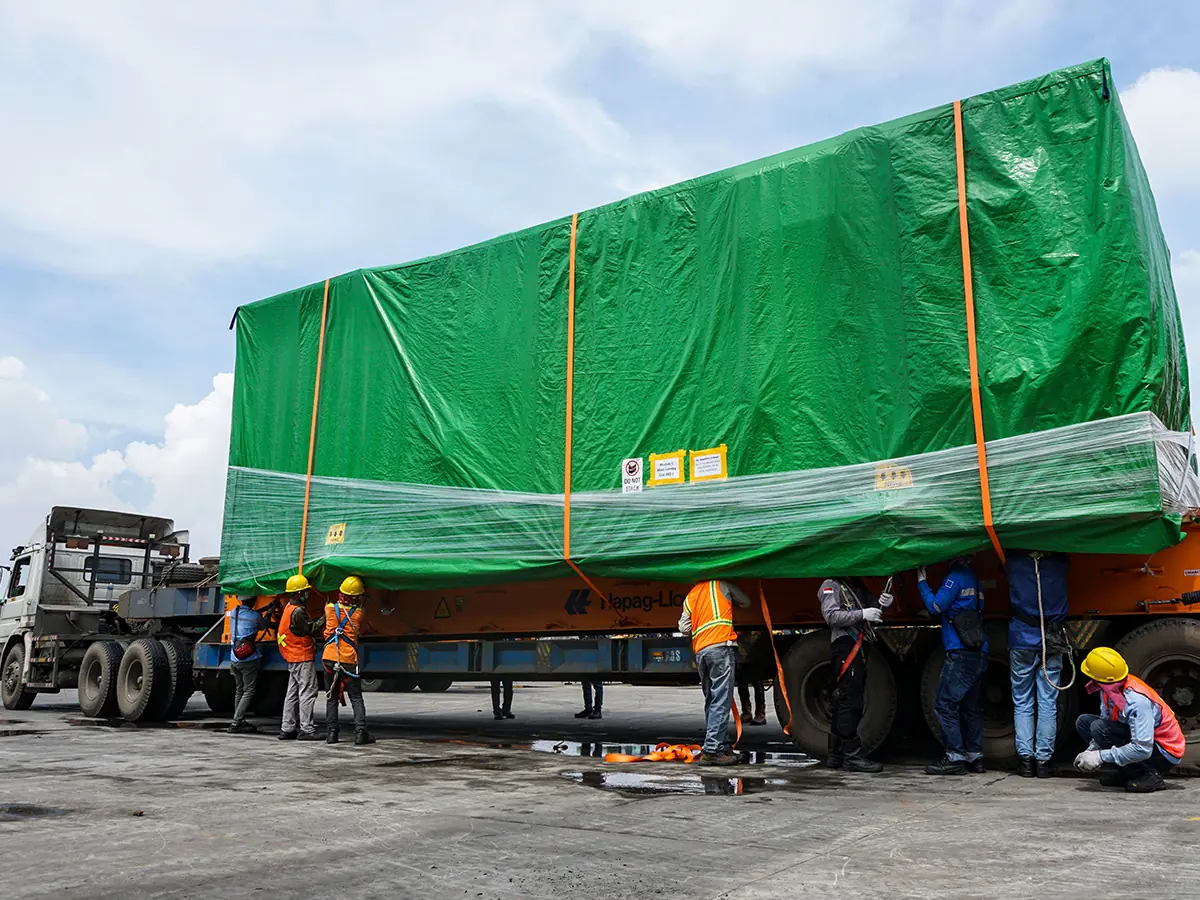
Plan the timeline as drawings approved in week one to two, production of three to four weeks, then 18 to 30 days at sea to Jebel Ali, Dammam, Jeddah or Hamad depending on routing, plus three to seven days clearance and inland delivery. Budget six to ten weeks from order to site, and expect Ramadan and Eid to slow factories and ports alike.
For customs you need the commercial invoice, packing list, bill of lading, certificate of origin and the conformity certificate for the destination country. Crates should be fumigated and ISPM-15 marked, and labelled with project name, unit model and shaft reference so the right unit reaches the right floor. On terms, FOB from a Chinese port gives you control of the forwarder and usually a lower landed cost if you already import from Asia; CIF is simpler on a first order.
Dumbwaiter Middle East Price Ranges for 2026
Dumbwaiter Middle East price levels move with the car size, the number of stops and the specification around the machine. The figures below are indicative FOB ranges for a complete traction dumbwaiter — car, guide rails, traction machine, control cabinet, doors and landing hardware. Freight, duty, installation and shaft steelwork are extra.
| Configuration | Car size | Indicative FOB |
|---|---|---|
| 100 kg, side counterweight, 3 stops | 60×60×80 cm | US$2,265 – US$2,450 |
| 150–200 kg, rear counterweight, 4 stops | 80×80×100 cm | US$2,400 – US$2,550 |
| 250 kg, rear counterweight, 6+ stops | 100×100×120 cm | Quoted per project |
Most of the gap between two quotations sits in the specification around the machine: stainless versus painted car, number of stops, landing door type, control voltage, and how much documentation and testing you ask for. A first-order discount is common, and a multi-unit dumbwaiter Middle East order is normally negotiated per hotel or per phase.
For a full breakdown of equipment, freight and installation cost drivers read our dumbwaiter price guide for 2026. To benchmark suppliers rather than prices, our list of dumbwaiter manufacturers in China explains how to read a quotation, and what a real China dumbwaiter factory should document when you ask.
Frequently Asked Questions
Do I need a dumbwaiter or a passenger lift in a hotel?
They do different jobs. A passenger lift moves people and is regulated as such; a dumbwaiter or food lift moves trays, linen and supplies with no passenger car. Hotels need both — the service lift keeps trolley traffic out of the guest lifts, which is why a 300-key property generally has two or three.
What power does a dumbwaiter need in Saudi Arabia?
Saudi Arabia supplies 220/380 V at 60 Hz, while the UAE, Qatar and Türkiye run 50 Hz. Specify frequency on the purchase order: the traction motor and control transformer are built for one or the other, and converting after delivery means replacing parts.
How long does shipping a dumbwaiter Middle East order take to Jebel Ali, Dammam or Jeddah?
Allow three to four weeks for production after drawing approval, 18 to 30 days at sea depending on routing, and three to seven days for clearance and inland delivery. Six to ten weeks from order to site is a realistic planning figure.
How much does a dumbwaiter cost delivered to the Middle East?
Equipment is typically US$2,265 to US$2,550 FOB for a standard 100–250 kg traction model. Add freight, insurance, duty and inland haulage, plus installation by a local contractor. Ask for a CIF quotation to your port if you want one landed number to compare.
Can a dumbwaiter be installed in an existing building?
Yes, where a shaft or service riser exists. Retrofits usually use a smaller car (60×60×80 cm) and a side-counterweight layout, because the counterweight shares the shaft with the car instead of needing extra depth.
Conclusion
Buying equipment for dumbwaiter Middle East projects comes down to three early decisions: the car size your service actually needs, the power and conformity route for the destination country, and whether you buy through a dealer or direct from a factory that supplies drawings, documentation and spares from one source.
Get those right, and the rest of a dumbwaiter Middle East project – freight, installation and maintenance – becomes routine. Get them wrong and you will be re-ordering motors, arguing with customs, or rebuilding a shaft poured to the wrong envelope.
ServLifts builds non-passenger dumbwaiters from 100 kg to 250 kg in Suzhou, China, with side- and rear-counterweight layouts, 50 Hz or 60 Hz builds and a documentation pack ready for GCC customs. Browse the dumbwaiter models available for export, or send us your shaft dimensions and we will return a free layout drawing and an FOB quotation, usually within one working day.
For a sense of how the established global brands position service equipment, see Otis — useful background when comparing quotations, though for non-passenger food lifts a specialised factory is usually the more practical route.