Welcome to ServLifts Official Website

Dumbwaiter Manufacturer in China: A Practical 2026 Sourcing Guide

When you need a small non-passenger service lift — for a restaurant kitchen, hotel pantry, hospital linen room, laundry, or even a private home — one question comes up early: should you buy from a dumbwaiter manufacturer in China? China is the world’s largest producer of elevators and elevator components, and it is also home to a deep field of specialized dumbwaiter builders. This guide walks through what that category actually contains, how the different supplier types compare, and what to check before you place an order.
Why Work With a Dumbwaiter Manufacturer in China?
For most small and mid-size projects, a Chinese manufacturer offers three practical advantages:
- Mature supply chain. Motors, traction machines, control panels, guide rails, counterweights, and car frames are produced domestically at scale. That shortens lead times and keeps component costs predictable.
- Strong price-to-performance. You get a CE- or ASME-capable traction dumbwaiter at a fraction of the price a global elevator giant would quote for the same spec.
- Flexible customization and export experience. Car sizes, load ratings, door styles, and finishes can be adapted to your site without the long change-control cycles big brands impose — and most factories already ship to Southeast Asia, South Asia, the Middle East, Africa, and Latin America.
The trade-off is that “a dumbwaiter manufacturer in China” is not one thing. The next section breaks down the main types.
Types of Dumbwaiter Manufacturers in China
1. Full-line elevator giants
Companies such as OTIS, Hitachi, Hyundai, Mitsubishi, and Schindler all manufacture in China and sell dumbwaiters as part of a much larger elevator portfolio.
Strengths: globally recognized brands, broad service networks in major cities, deep certification experience, and one-vendor convenience if you are buying a whole building’s lifts.
Limitations: a dumbwaiter is a tiny slice of their business. For a single pantry or food lift, you may face a higher price, longer lead time, and lower project priority than a large escalator or passenger-elevator order would receive. In many markets their small lifts are also partially outsourced.
If budget and timeline are open-ended and you specifically want a single global brand across your entire building, a giant is a reasonable choice. For most standalone service-lift projects, it is overkill.
2. Specialized dumbwaiter makers
A second group builds only dumbwaiters and similar small service lifts. ServLifts (Suzhou, China) is one such maker, and there are peers across the Yangtze River Delta and Pearl River Delta manufacturing belts.
Strengths: the entire engineering, production, and support team is focused on one product. Lead times are typically shorter (often 25–45 days ex-works), minimum order quantities are flexible, pricing is competitive, and an inquiry about a single lift is treated as a priority rather than a rounding error.
Limitations: the service footprint is narrower than a global giant’s, so you should verify the certificates and after-sales terms that matter for your destination market.
The practical takeaway: if you are not committed to a global brand, a specialized dumbwaiter manufacturer in China is usually the smarter default for a single service lift.
3. Trading companies vs. factories
Some suppliers are trading companies that source from various factories. A factory-integrating dumbwaiter manufacturer in China (one that assembles and tests in its own workshop) gives you more direct control over quality and documentation. When evaluating, ask whether you are speaking to the factory or a reseller. For a step-by-step look at verifying and buying from a factory directly, see our China dumbwaiter factory guide.
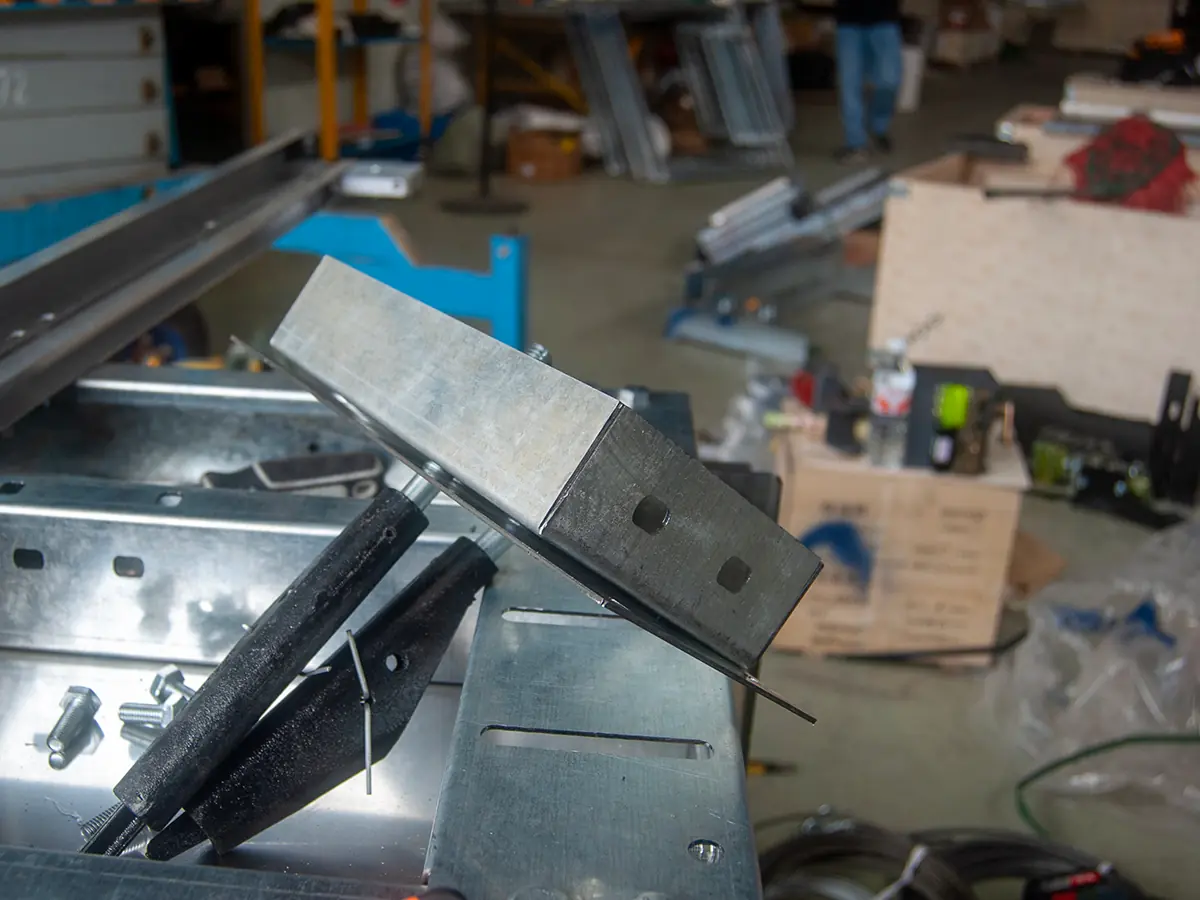
Traction vs. Hydraulic: What Chinese Factories Build
Most Chinese dumbwaiter manufacturers offer traction (曳引式) and hydraulic designs.
- Traction dumbwaiters use a motor and counterweight system. They are energy-efficient, smooth, quiet, and need only a shallow pit and minimal overhead in modern designs. They are the most common choice for food, pantry, laundry, document, and hospital service lifts. ServLifts builds exclusively traction models.
- Hydraulic dumbwaiters push the car with an oil cylinder. They handle heavier loads with simpler mechanics but run slower, need more maintenance, and involve hydraulic oil.
- Screw drives exist but are niche for this category.
For the large majority of restaurant, hotel, and care applications, traction is the recommended route — see our traction vs hydraulic vs screw comparison for the full breakdown.
Where Are Dumbwaiters Manufactured in China?
Before price, buyers usually want one basic question answered: where in China are these lifts actually built? It matters more than it sounds. Location decides how deep the supply chain behind your unit is, how fast a spare part can reach you years later, and how easily a finished machine gets onto a container.
Anyone screening a dumbwaiter manufacturer in China should first know which industrial belt the quote is coming from. China is the world’s largest elevator producer by a wide margin, and its production is concentrated in three clusters rather than spread evenly across the country:
| Cluster | Core cities | What it is known for | What it means for a service-lift buyer |
|---|---|---|---|
| Yangtze River Delta | Suzhou, Wujiang, Wuxi, Ningbo, Huzhou | The densest elevator and component supply chain in China, sitting beside the Shanghai and Ningbo export ports | Shortest component lead times, widest spare-parts availability, fastest route to a container |
| Pearl River Delta | Guangzhou, Foshan, Dongguan | High-volume and high-speed passenger elevator production with a strong export orientation | Competitive on large passenger projects; small service lifts are usually a side line rather than a specialty |
| Bohai Rim | Qingdao, Dalian | Cost-driven residential elevator production | Attractive on unit price; the component ecosystem around small lifts is thinner |
For a buyer shortlisting a dumbwaiter manufacturer in China, that concentration is the most useful piece of geography in the whole exercise. The Yangtze River Delta is where the specialized small-lift makers concentrate, because that is where the traction machines, control panels, guide rails and door operators are themselves manufactured. A factory sitting inside this cluster can source a replacement component in days rather than weeks — which is exactly what matters when the unit is installed several thousand kilometres away and something needs replacing in year four.
ServLifts is located in Wujiang, Suzhou, inside the Yangtze River Delta elevator manufacturing belt. Our workshop assembles complete traction dumbwaiters, and we ship through Shanghai and Ningbo — the same ports most of the cluster’s export volume leaves from. That is a practical advantage for a buyer comparing a dumbwaiter manufacturer in China: the supply chain behind your lift is not something we have to assemble from scratch.
How to Evaluate a Dumbwaiter Manufacturer in China
Use this checklist before you commit to a dumbwaiter manufacturer in China:
- Certifications. Confirm the exact certificate for your market — CE (EU), UKCA (UK), ASME A17.1 / A17.7 (United States & Canada), SASO (Saudi Arabia), SONCAP (Nigeria), and so on. Ask for the test report, not just a logo on a brochure. The American Society of Mechanical Engineers publishes the relevant code framework at ASME Codes & Standards.
- Factory verification. Request a video call with the dumbwaiter manufacturer in China, recent workshop photos, and an outline of the QC process.
- Customization range. Typical cars run from about 60×60×80 cm to 100×100×120 cm, with loads of 100–250 kg. Confirm door type (bi-parting, swing, or vertical sliding) and material (commonly SS 304).
- Lead time & MOQ. Expect roughly 25–45 days production, plus ocean freight.
- Documentation. Installation manual, wiring diagrams, spare-parts list, and multilingual labels should ship with the unit.
- After-sales. Remote commissioning support, spare-parts availability, and warranty terms.
- Export track record. References or photos from projects in your region.
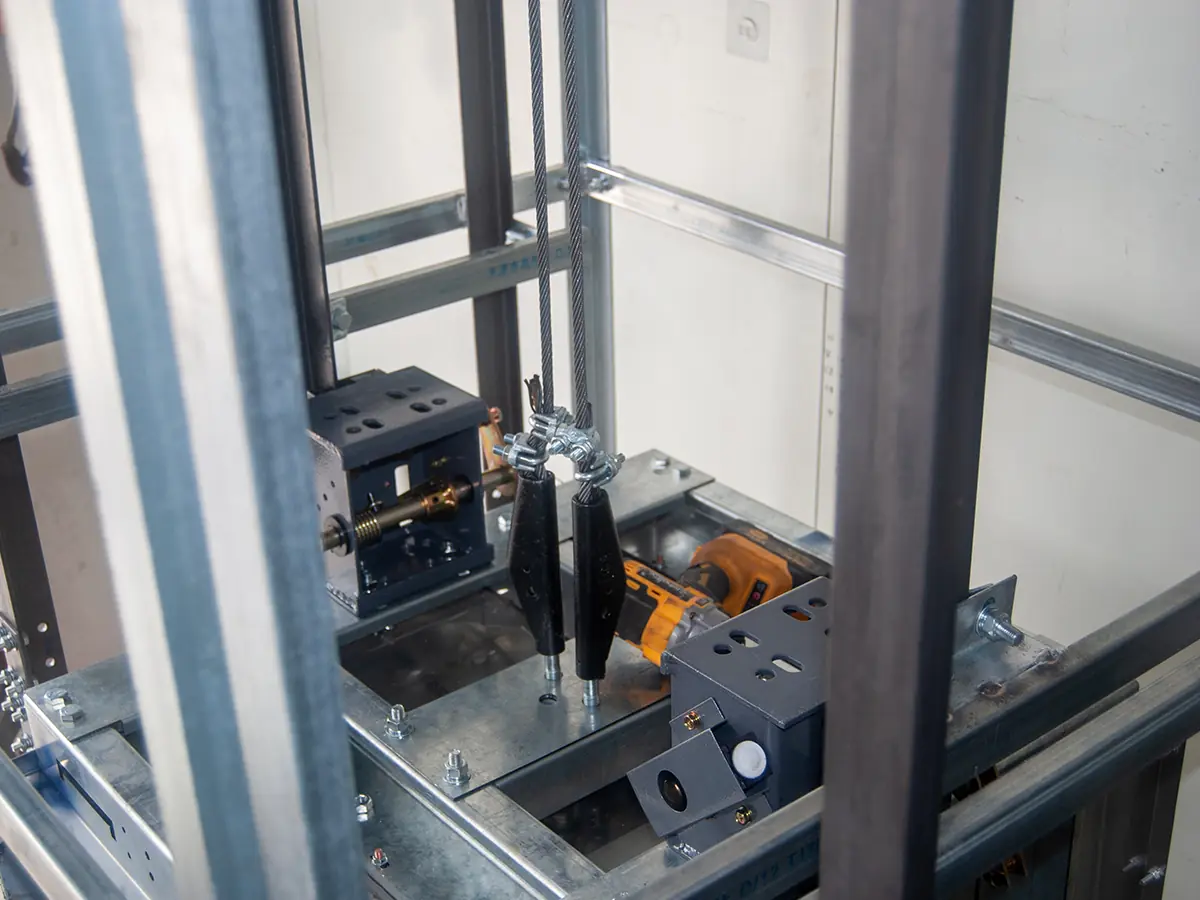
How to Shortlist a Dumbwaiter Manufacturer in China in One Week
Buyers who end up with a disappointing unit from a dumbwaiter manufacturer in China rarely pick the wrong factory. They pick from too small a pool, with questions that shift from one email to the next, and by the time the third quotation arrives none of the three can be measured against the others. A one-week shortlist is not a rushed one. It is structured, which is usually the part that goes missing.
The method below assumes two things are already settled: the heaviest load the lift must carry, and where it will sit. If either is still open, close it first — a dumbwaiter manufacturer in China cannot size a unit against a requirement that keeps moving.
Monday to Wednesday: Send the Same Brief to Every Dumbwaiter Manufacturer in China on Your List
Build the list before writing a single email to any dumbwaiter manufacturer in China: three specialized makers, one or two full-line brands for reference and, if you want a control group, one trading company. Six enquiries normally return three or four usable quotations. Fewer than three leaves no spread to read, which means no way to separate a fair price from a cheap one.
Send one brief to every dumbwaiter manufacturer in China on the list, as an attachment, in the same format, at the same time. Attach a shaft sketch even if it is rough, and state the destination port. Resist the urge to add a paragraph about how urgent the project is — urgency is the shortest route to a premium, and it tells a dumbwaiter manufacturer in China more about your position than about your requirements. When a dumbwaiter manufacturer in China replies with questions instead of a number, treat that as a good sign: the quote will be built on your site rather than on a template.
Keep every reply from every dumbwaiter manufacturer in China in one sheet, with the date received and the name of the person who signed it. That sheet becomes the only document that matters by Thursday. A quotation that arrives with no named contact is already a data point about how the account will be handled after the deposit.
Thursday to Friday: Verify, Then Commit to a Shortlist
By Thursday there should be three or four replies, each from a different dumbwaiter manufacturer in China. Do not rank them by price yet. Rank them by whether the answer can be checked. A quotation from a dumbwaiter manufacturer in China that arrives without a drawing, a certificate number or a spare-parts list cannot be verified by anyone, including the buyer who asked for it.
Then request a twenty-minute video call on the assembly floor, not in a meeting room. Two things are worth watching: whether the person answering understands the shaft drawing you sent, and whether the workshop behind them is the one that will actually build your unit. A dumbwaiter manufacturer in China that outsources assembly tends to deflect both questions without meaning to, and the deflection is the answer.
By Friday afternoon the list should be down to two names, each with a one-line reason written beside it. If the reason reads “cheapest” for both, the exercise was never about the dumbwaiter manufacturer in China.
| Day | Action | What you should have by the end |
|---|---|---|
| Monday | Build a six-name list across the three supplier types | A list carrying at least three specialized makers |
| Tuesday | Send one identical brief to every name | Six enquiries out, tracked in a single sheet |
| Wednesday | Answer follow-up questions the same day | Two or three suppliers asking site-specific questions |
| Thursday | Request drawing, certificate and spare-parts list | Documents you can actually check |
| Friday | Video call the top three, then cut to two | A shortlist with a written reason against each name |
One warning about this timetable: it works because the brief is fixed before the first email goes out. The moment you start tailoring the enquiry to each dumbwaiter manufacturer in China, the comparison collapses and you are back to judging personalities.
How to Write an RFQ a Dumbwaiter Manufacturer in China Can Answer Precisely
An RFQ has one job: make “it depends” impossible. Every vague enquiry receives a vague price, and a vague price is worse than no price, because it invites you to build a budget around a number nobody has committed to. What separates a quotation you can act on from one you cannot is usually four lines of data and one drawing.
The Five Data Points Every Quote Needs
These are the inputs a dumbwaiter manufacturer in China needs before it can size a unit. Send them numbered, so the reply can be matched back line by line.
- Load. Not the weight of a typical tray — the heaviest load the lift will ever carry, plus a margin. Standard car capacities run at 50, 100, 200, 250 and 300 kg, with customisation above that.
- Floors and travel. The number of stops and the floor-to-floor height. Standard travel covers 2–6 floors; taller shafts are built to the building.
- Shaft or car dimensions. Clear internal shaft size, pit depth and headroom where a shaft already exists; the car size you need where it does not. Common cars run from 60×60×80 cm to 100×100×120 cm.
- Power. 220 V or 380 V, and the frequency your market uses. A dumbwaiter manufacturer in China will build to either, but only once you say which.
- Destination. Country and port. Freight and the certificate both depend on it.
Three optional additions change the price materially and are worth stating up front: door type (bi-parting, swing or vertical sliding), car finish (SS 304 is the default) and whether you need CAD shaft drawings for your builder. Asking for the drawings costs nothing at quotation stage and saves a redesign later.
What a Dumbwaiter Manufacturer in China Should Send Back
A complete reply from a dumbwaiter manufacturer in China has six parts. If one is missing, ask for it before comparing anything — a partial quotation cannot be measured against a complete one, and the gap is usually hiding in whatever was left out.
- A cost breakdown, not a single number. Equipment, packing, freight and duties listed separately. One delivered figure hides which line is expensive and makes honest comparison between two factories almost impossible.
- A named Incoterm. FOB covers the factory to the port of departure; CIF adds freight and insurance to your port; DDP covers duties but is offered by few manufacturers.
- A production lead time. A standard traction unit is quoted at 15–25 working days. Custom sizes and peak-season slots push towards 25–45 days.
- Drawings. Shaft installation drawings showing pit, overhead and clearances.
- The certificate for your market. Not a logo — the certificate number and the test report behind it.
- Warranty and spare-parts terms. What is covered, for how long, and how quickly a part ships.
When two quotations differ by more than fifteen per cent, the gap is almost never labour. It is one of those six lines. A dumbwaiter manufacturer in China that quotes low on equipment but high on freight, or that quietly excludes the door frame, is not cheaper — it is quoting a smaller scope. Put both quotations on one page, line by line, and the difference usually explains itself.
Certifications & Compliance: What Importers Actually Need
Do not assume one certificate fits every country. A dumbwaiter manufacturer in China may hold CE for Europe yet lack ASME for North America, or vice versa. Match the certificate to the destination:
| Destination | Common requirement |
|---|---|
| European Union | CE marking (Machinery Directive; EN 81-20/50 where applicable) |
| United Kingdom | UKCA (transitioning from CE) |
| United States / Canada | ASME A17.1 / A17.7 |
| Saudi Arabia | SASO |
| Nigeria | SONCAP |
Clarify with the dumbwaiter manufacturer in China exactly which documents accompany your shipment, and whether third-party inspection is available.
Lead Time, Shipping & Landed Cost
A standard traction dumbwaiter typically takes 25–45 days to produce, then 20–45 days by sea depending on route. Budget beyond the unit price for freight, import duties, and local installation.
As a reference point, specialized makers such as ServLifts list FOB prices for standard traction models in the US$2,265–$2,550 range, with a first-order discount commonly around 10%. Your final landed cost depends on configuration, shipping, and local taxes — request a written quote for your spec.
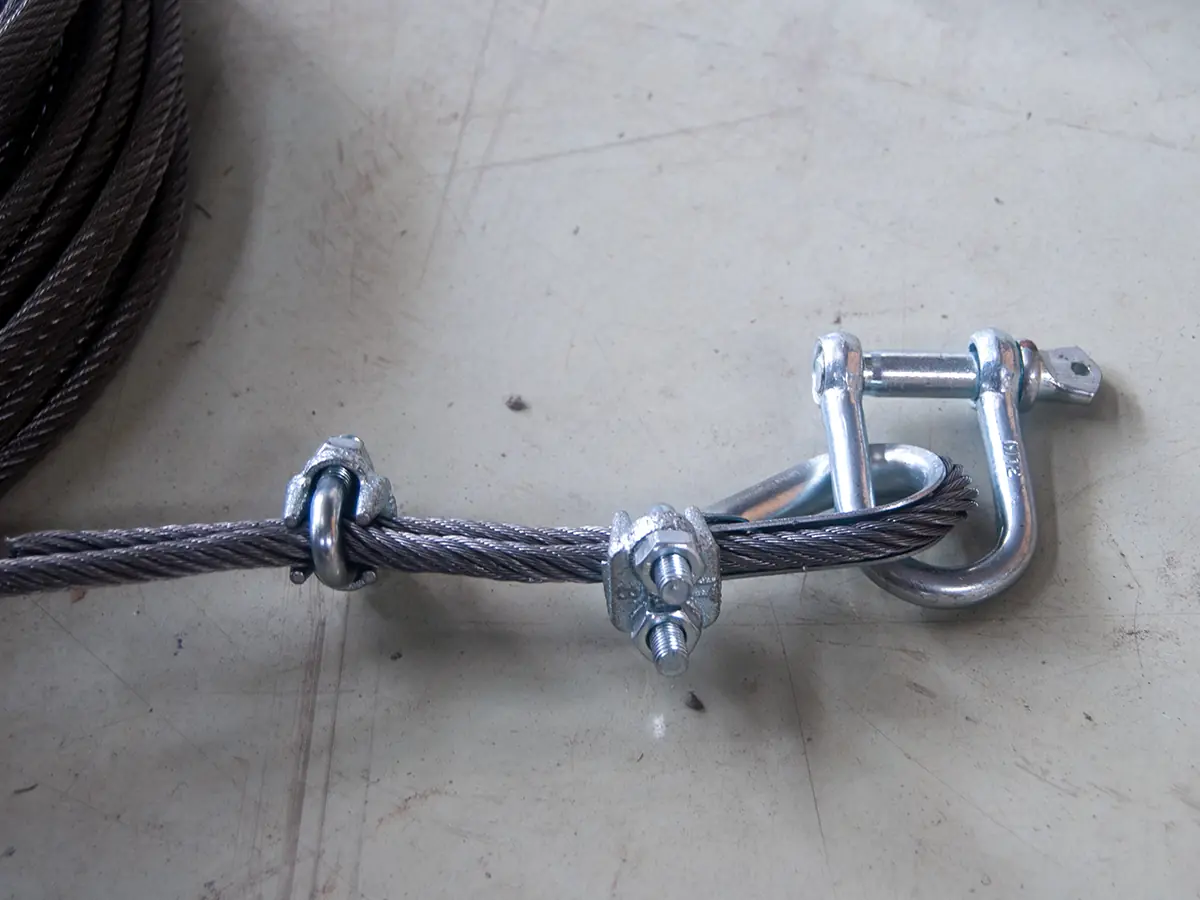
Payment Terms a Dumbwaiter Manufacturer in China Should Put in Writing
Payment terms are where a good quotation and a bad order part company. The equipment specification is normally documented carefully. The money side is often left to a single email reading “30% deposit, balance before shipment” and nothing more. That sentence conceals four separate questions, and each one has cost somebody money.
Deposit, Balance, and What Triggers Each Payment
The industry norm is a 30% deposit with the balance settled before shipment. The structure is reasonable — it funds materials without asking the dumbwaiter manufacturer in China to carry the whole order — but the trigger for the balance has to be precise. “Before shipment” can mean before the container is loaded, before the bill of lading is issued, or before the original documents are released. Those are three different dates, occasionally three weeks apart.
First-time buyers should not send a balance by plain bank transfer against a photograph of a container. Use a letter of credit or a trade-assurance platform for the first order, and move to direct transfer once a unit has actually shipped. A dumbwaiter manufacturer in China with a real export record rarely resists this. A dumbwaiter manufacturer in China that insists on full prepayment by transfer is telling you something about its cash position rather than about its confidence.
Fix which side pays bank charges, and in which currency. On an order of this size, correspondent-bank fees can quietly absorb one to two per cent of the value, and that belongs in the landed cost rather than in a surprise at the counter.
| Clause | What to ask a dumbwaiter manufacturer in China for | What happens if it stays vague |
|---|---|---|
| Deposit and balance | 30% with order; balance against a copy of the bill of lading | Payment demanded before you can confirm the unit shipped |
| Warranty start | From commissioning, not from the shipment date | Cover expires before the lift is in service |
| Inspection | Third-party pre-packing inspection at the buyer’s cost | Faults found after the container is sealed |
| Late delivery | A stated weekly rate for delay beyond the quoted lead time | Delay costs the supplier nothing |
| Documents | Manual, wiring diagram, spare-parts list, certificate | Commissioning stalls waiting on paperwork |
None of these clauses is unusual, and none requires a lawyer to draft. They require being written down before the deposit leaves, because the moment money is committed the negotiation is over and the answer becomes whatever was already agreed.
After-Sales Support from a Dumbwaiter Manufacturer in China: Year One and Year Five
The purchase price decides year one. Spare-parts availability decides year three. Very few buyers price the second one at quotation stage, which is why a lift that looked like good value at order can look expensive by the time its first door operator fails.
What the 12-Month Warranty Covers
A standard warranty from a dumbwaiter manufacturer in China runs twelve months on the complete machine, with lifetime remote technical support. What matters is the exclusions, and they are usually the same four: damage from incorrect installation, unauthorised modification, supply voltage outside the specified range, and failure to carry out the maintenance the manual specifies. None of those is unreasonable. Each is also a point where a claim can be refused, so read them before signing rather than after a breakdown.
Ask the dumbwaiter manufacturer in China, in writing, which parts count as consumables and are therefore excluded. Door rollers, guide shoes and rope are the usual answers. A dumbwaiter manufacturer in China that lists them openly at quotation stage is easier to work with in year two than one that produces the list only after a claim arrives.
Spare Parts and Remote Support in Year Three to Five
The unit should ship with a spare-parts set, not merely a manual. What matters on that list is a part number for every wear item, so a local technician can order without photographing a broken component and waiting for someone to identify it. Parts held in stock typically ship within three working days; parts built to order take as long as a production slot.
Remote support from a dumbwaiter manufacturer in China matters more than it sounds when the lift sits several thousand kilometres away. A control board that reports a fault code can be diagnosed over a video call in an hour. The same board without a code table becomes a two-week email thread and a technician visit. Before the unit ships, collect four documents and keep them together: the spare-parts list with part numbers, the electrical schematic, the fault-code table, and a technical contact that is not a general sales inbox.
None of this is exotic. It is the difference between a supplier and a dumbwaiter manufacturer in China you can still get an answer from in year five, and it is settled by what you ask for before the deposit rather than by what you negotiate after a failure.
Common Sourcing Mistakes to Avoid
- Chasing the lowest price only. A suspiciously cheap quote may omit certification, proper safety gear, or after-sales. Weigh total value, not just the unit price.
- Assuming one certificate covers everywhere. CE does not satisfy ASME, and vice versa.
- Skipping factory verification. A short video call saves costly surprises later.
- Ignoring pit and overhead dimensions. Confirm your building can accommodate the required recess and clearances before ordering.
Why a Specialized Maker Can Be the Smarter Default
For a single restaurant, hotel, clinic, or home service lift, you rarely need the full global-service ecosystem of a passenger-elevator giant. A specialized dumbwaiter manufacturer in China can deliver the same core function — a safe, certified, well-built small lift — faster and at a lower cost, while treating your project as a priority.
ServLifts is a Suzhou-based, factory-integrating dumbwaiter manufacturer in China focused solely on traction service lifts. We support customization, provide documentation for common export markets, and work directly with buyers rather than through layered distributors. If you are comparing options, we are happy to be one of the specialized suppliers you evaluate alongside the larger names.
- Explore the full product range: ServLifts Dumbwaiters
- Understand the brand and approach: About ServLifts
Buyer Questions, Answered Before You Ask
These are the questions buyers ask a dumbwaiter manufacturer in China before placing a first order — the ones that land in our inbox every week, answered here so you can compare suppliers without a week of back-and-forth e-mail. If yours is not covered, ask us directly — an engineering answer is worth more than a brochure.
Where is your factory, and can I inspect it?
Our workshop is in Wujiang, Suzhou, in the Yangtze River Delta elevator manufacturing belt — we are a dumbwaiter manufacturer in China with our own assembly floor rather than a trading office. Visits are welcome before you sign a contract. If travelling is not practical, we support live video inspection of both the workshop and the specific unit being built for you, and third-party on-site inspection is available.
Do you have a minimum order quantity?
There is no blanket MOQ. We quote per project, and a single dumbwaiter is a normal order for us — a one-unit restaurant or villa project receives the same engineering attention as a multi-unit order. For most dumbwaiter manufacturers in China, volume changes the unit price; it does not change whether the job is worth taking.
What is the lead time?
Standard traction models take 15–25 working days to produce. Custom specifications, non-standard shaft dimensions and peak-season slots run 25–45 days. Spare parts held in stock ship within 3 working days. Ocean freight sits on top — typically 20–45 days depending on destination and route.
What loads, floors and voltages can you supply?
Standard car capacities are 50 / 100 / 200 / 250 / 300 kg, with customisation available. Standard travel is 2–6 floors, and taller shafts are built to your building height on request. We supply 220 V or 380 V and build to the frequency your market uses, so the same model can ship to Southeast Asia, the Gulf, Africa or Latin America without a voltage surprise at commissioning.
What warranty and after-sales support come with the lift?
12 months on the complete machine, lifetime remote technical support, and a full set of spare parts supplied with the unit — so a local technician can service it without waiting on an international shipment.
Are you a factory or a trading company?
We manufacture and assemble complete dumbwaiters in our own workshop: for a finished lift, we are the factory. We are also an authorised distributor of branded elevator components, so for spare parts we act as a supplier. Ask us which role we are in for your order — we would rather be plain about it than let you assume.
How do I get a quote, and what do you need from me?
Send five things: load, number of floors or travel height, shaft or cabin dimensions, voltage, and destination country and port. You get back a written quotation plus free CAD shaft installation drawings, so your builder can verify the pit, overhead and clearances before any money moves. Start here.
If you are still shortlisting, treat those seven answers as a comparison sheet. Ask every dumbwaiter manufacturer in China you contact for the same seven, in writing, and the difference in how clearly they reply tells you most of what you need to know — long before price enters the conversation.
Frequently Asked Questions
Are Chinese dumbwaiters safe?
Yes — when built to a recognized standard and shipped with the correct certificate for your market. The key is to verify the certificate and the manufacturer’s QC process, not the country of origin.
How long does delivery take?
Typically 25–45 days of production plus ocean freight (roughly 20–45 days depending on route).
Can the size and load be customized?
Yes. Common cars span about 60×60×80 cm to 100×100×120 cm, with load ratings of 100–250 kg, and multiple door and finish options.
Do I need a global brand?
Only if your project requires that brand’s specific global service network. For most standalone service lifts, a specialized manufacturer is sufficient.
Which standard applies to my country?
It depends on the destination: CE for the EU, ASME for the US/Canada, UKCA for the UK, and so on. Confirm with the manufacturer for your specific market.
How much does a dumbwaiter from China cost?
As a reference, specialized makers such as ServLifts list FOB prices for standard traction models in the US$2,265–$2,550 range, with a first-order discount commonly around 10%. Final landed cost depends on configuration, shipping, and local taxes — see our dumbwaiter price guide for a full cost breakdown.
Conclusion
Sourcing from a dumbwaiter manufacturer in China can be a fast, cost-effective way to add a reliable service lift — provided you pick the right type of supplier and confirm the certifications your market requires. Full-line giants suit building-wide, brand-driven programs; specialized makers are usually the better fit for a single, well-specified lift.
If you are scoping a project, compare at least one specialized factory against the larger names, and ask each for the certificate, lead time, and documentation that match your destination. Browse ServLifts dumbwaiters or contact the team to start a quote.
[…] you are comparing candidates, our guide to choosing a dumbwaiter manufacturer in China covers supplier types and the full evaluation checklist in more […]
[…] reflect that. For a dedicated food lift, a specialized manufacturer is usually the better fit. Our guide to choosing a dumbwaiter manufacturer and China dumbwaiter factory guide walk through how to evaluate suppliers […]
[…] exclusively. Our food lift vs service lift vs dumbwaiter guide clarifies the terminology, and the manufacturer guide covers how to evaluate suppliers. Global majors such as Otis and Hitachi focus on passenger […]
[…] dumbwaiter manufacturer in China guide explains these supplier types in […]
[…] manufacturer guide walks through supplier evaluation in depth. Global majors such as Otis and Hitachi sell through […]
[…] specialized factories, not traders — use the manufacturer guide and factory verification […]
[…] in our own production. Every unit is assembled, wired and run before it is packed, which is why our dumbwaiter manufacturing process lists testing as a separate stage rather than a […]
[…] The most practical path is to look beyond the big elevator brands and evaluate specialized dumbwaiter manufacturers. […]
[…] read our dumbwaiter price guide for 2026. To benchmark suppliers rather than prices, our list of dumbwaiter manufacturers in China explains how to read a quotation, and what a real China dumbwaiter factory should document when you […]
[…] A dumbwaiter is a small freight elevator dedicated to transporting light goods, widely used in restaurants, hotels, office buildings, residential buildings and commercial complexes. Unlike passenger elevators, dumbwaiters focus more on practicality, stability and cost-effectiveness. Choosing a reliable dumbwaiter manufacturer is the core premise of ensuring long-term stable operation, safe use and low maintenance cost of the equipment. Many buyers face difficulties in selection: international big brands are trustworthy but expensive, while small manufacturers have low prices but uneven quality. This article will analyze the selection logic from multiple dimensions including brand positioning, service capability, industrial cluster advantages, price performance, after-sales and construction strength, to help buyers accurately screen reliable dumbwaiter manufacturers. […]
[…] dilemma is selecting between well-known international elevator giants and professional niche dumbwaiter manufacturers that focus solely on dumbwaiter lift production and global […]
[…] the dumbwaiter manufacturers in China on documentation quality, not on logo size, and ask what a real China dumbwaiter factory supplies […]
[…] OTISHitachiServLifts […]
[…] row and the difference in philosophy becomes visible. Buyers sourcing from China will also want to shortlist manufacturers on the basis of the market they are shipping into, not on price alone. The American model verifies […]
[…] sell a single dumbwaiter with this level of attention; a specialized manufacturer usually does. Our manufacturer guide and factory guide explain how to verify a supplier before you […]
[…] y que ofrece un vídeo de prueba antes del embarque. La guía sobre qué es un montaplatos y la guía de fabricantes en China cubren esos criterios en detalle, y nuestra versión inglesa de esta guía de precios ofrece el […]
[…] permite al comprador contrastarlas sin depender de una promesa verbal. Puede consultar también la guía sobre fabricantes de montaplatos en China para ampliar los criterios de […]
[…] dedicated small goods lift, a specialized manufacturer is usually the more practical choice — our manufacturer guide and factory guide explain how to evaluate […]