Welcome to ServLifts Official Website

Food Elevator: What It Is, Types, Sizes and Costs

Table of Contents
- Food Elevator: The Short Answer
- One Machine, Many Names
- The Four Shapes a Food Elevator Takes
- Sizes, Loads and Travel
- Shaft and Installation Requirements
- Controls, Hygiene and Daily Use
- What a Food Elevator Costs
- Which Building Type Needs Which Setup
- Standards, Inspection and Safety
- Seven Checks Before You Order a Food Elevator
- Frequently Asked Questions
- Next Step
Food Elevator: The Short Answer
A food elevator is a small electric lift that carries food, trays, trolleys and cartons between floors instead of people. It belongs to the same family as a dumbwaiter, food lift or service lift, holds 50 to 300 kg, travels two to six floors, and a factory such as ServLifts in Suzhou, China quotes 15 to 25 working days for a standard unit.
The one limit that defines the category is that nobody steps inside. Once a person is allowed to ride in the car, the machine stops being a food elevator and becomes a goods lift or a passenger lift, with a different standard, a much larger shaft and a very different price. Car size, finish and the number of stops are choices; the no-passenger rule is not.
Most buyers reach a food elevator by typing what they see rather than what the trade calls it. Restaurant owners write food elevator, hotel engineers write service lift, and US contractors write dumbwaiter. All three describe the same product, so the name matters less than four numbers that follow it: rated load, car size, number of stops and travel speed.
One Machine, Many Names
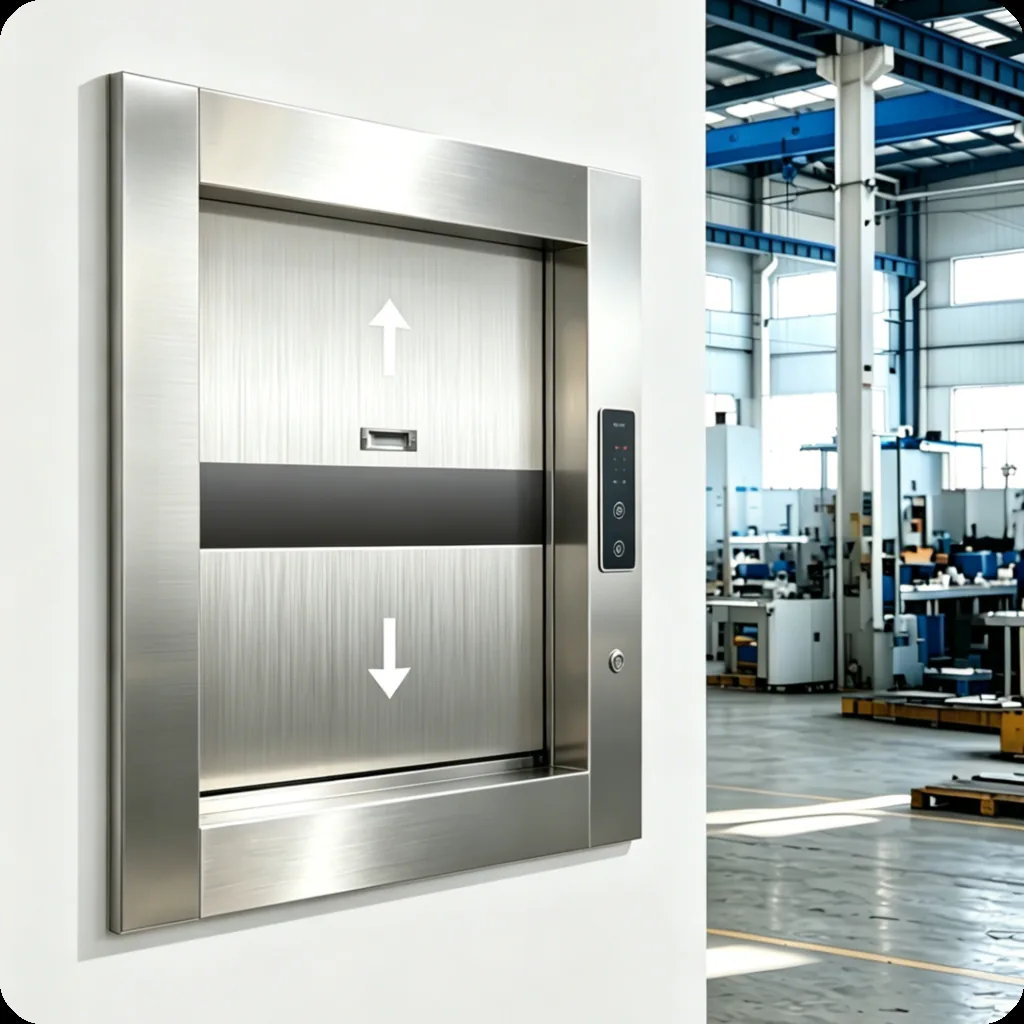
Ask six suppliers to quote the same machine and you can receive six different product names. That is history rather than marketing. Dumbwaiter comes from an eighteenth-century table used to move dishes, service lift is the term European standards adopted, and food elevator is what most buyers now type into a search bar when they do not know either of the older words. A fourth phrase, food service elevator, is the one used in hotel, hospital and facility procurement documents, and it points at exactly the same machine.
| Name you will see | Where it is common | Same machine? |
|---|---|---|
| Food elevator | Restaurants, hotels, catering sites | Yes |
| Food service elevator | Hotel, hospital and facility procurement documents | Yes |
| Food lift | UK, Ireland, Australia, India | Yes |
| Dumbwaiter | US, Canada, trade and standards documents | Yes |
| Service lift | European standards, EN 81-30 | Yes |
| Kitchen lift, tray lift | Kitchen contractors, informal use | Yes |
| Mini freight elevator | Some Middle East and Asian markets | Not always |
The practical risk in a food elevator name list sits in the last row. A mini freight elevator is sometimes a food elevator and sometimes a small goods lift built for a person to step inside, and the two carry different standards and different prices. One question settles it: can a person stand in the car? If the answer is yes, the product is not a food elevator. The same test settles what a food service elevator is, because that phrase is simply procurement language for the same non-passenger unit.
Spelling is the other half of the naming problem. The same unit is written dumbwaiter, dumb waiter and serving lift, and the two-word form is a dictionary variant rather than an error. Buyers also type dumpwaiter and dumwaiter, which are the same machine with the space dropped or a vowel swapped; the shaft drawing, the load rating and the price do not change with the spelling.
Buyers who want the full comparison of the three main names, including how the words differ across languages, will find it in our guide to food lift vs service lift vs dumbwaiter. Readers who need the underlying definition, the working principle and where the machine sits in the wider elevator family should start with what a dumbwaiter elevator is.
The Four Shapes a Food Elevator Takes
Almost every food elevator sold today is one of four mechanical shapes. The shape is decided by the building rather than by preference, because each one answers a different constraint on wall openings, shaft depth or space above the top floor.
| Shape | How the car moves | Best for |
|---|---|---|
| Wall or window type | Car rises behind an opening in the wall | Dining room to kitchen through a shared wall |
| Floor or cabinet type | Car lifts from floor level under a counter | Pass-through points with no wall opening |
| Side counterweight | Rope drive with the counterweight beside the car | Narrow shafts where usable depth is limited |
| Chain type | Chain drive with no counterweight | Low headroom and lighter loads |
Each of the four food elevator shapes solves a problem the others cannot. The wall type keeps the dining room visually clean because the car never enters the room. The floor type suits kitchens where a counter already sits at the pass. The side counterweight buys back usable depth in a tight shaft, and the chain type works when there is almost no space above the top landing.
Choosing between them is mostly a measurement exercise. A supplier will ask for the wall or slab you intend to open, the floor-to-floor heights, and whether the shaft can be built at full car size. Where the answer is tight, the shape changes before the load rating does. Our guide to the different types of dumbwaiter lifts sets the four shapes side by side with their shaft demands.
Sizes, Loads and Travel
Rated load is the first number a food elevator quote turns on, and the range is deliberately narrow. Five standard ratings cover almost every site, and a sixth value is normally a custom job rather than a catalogue item.
| Rated load | What buyers choose it for |
|---|---|
| 50 kg | Single tray or small cartons, cafe and counter service |
| 100 kg | Two or three trays, small restaurant |
| 200 kg | Hotel room service trolley |
| 250 kg | Hospital meal trolley or pharmacy delivery |
| 300 kg | Canteen and bulk catering, the standard ceiling |
Car sizes run from roughly 600 x 600 x 800 mm on the smallest units up to 1000 x 1000 x 1200 mm at the top of the range. A good supplier sizes the car around the trolley you actually use, because a car that is 50 mm too shallow for the trays is a car you will stop using within a month.
Four numbers define where a food elevator stops and a goods lift begins under EN 81-30:2025: a rated load of 300 kg, a car floor of 1.0 m2, a car depth of 1.0 m and a travel speed of 1 m/s. Cross any one of those limits and the machine leaves the category, which is why a site that needs 400 kg is a goods lift project from the first sketch.
Standard travel is two to six floors, and custom heights are possible above that. Each extra stop adds shaft work, door hardware and travel time, so a supplier will normally ask for the full set of floor-to-floor heights before confirming a final figure. Working dimensions in more detail, including minimum clearances, are collected in our dumbwaiter dimensions guide.
Shaft and Installation Requirements
The building has to provide three things before a food elevator can be installed: a shaft or an enclosed opening, a shallow pit at the bottom, and enough clear space at the top for the drive. None of the three is large by lift standards, and that is exactly why this category fits into service spaces where a goods lift cannot go.
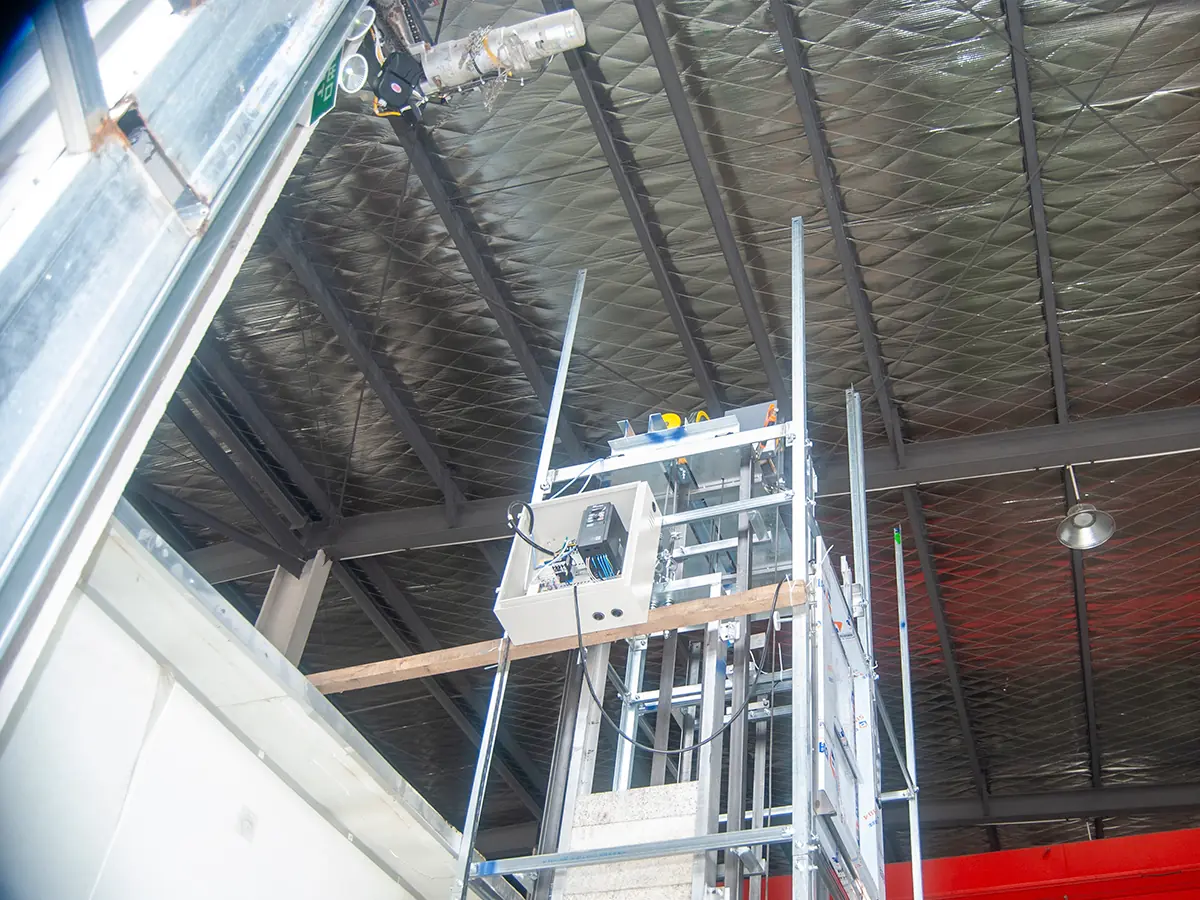
A food elevator shaft is only slightly larger than the car, because nobody has to stand beside it. A workable rule is the car footprint plus clearance on each side for the guide rails and the counterweight. In an existing building that usually means converting a service duct, a cupboard or a disused dumb waiter shaft rather than building new structure.
Pit depth and headroom are decided by the drive rather than by the load. A traction machine wants clear space above the top landing for the machine and the ropes, while a chain drive needs far less and is often the only option when a ceiling cannot be raised. That single difference decides the drive on most renovation projects.
The shaft itself is normally built by the customer or their contractor, and the lift supplier provides a free CAD drawing so both sides agree on dimensions before any concrete is poured. Getting that drawing early is the most effective way to avoid a rebuild, and the sequence on site is set out in our dumbwaiter installation guide.
Controls, Hygiene and Daily Use
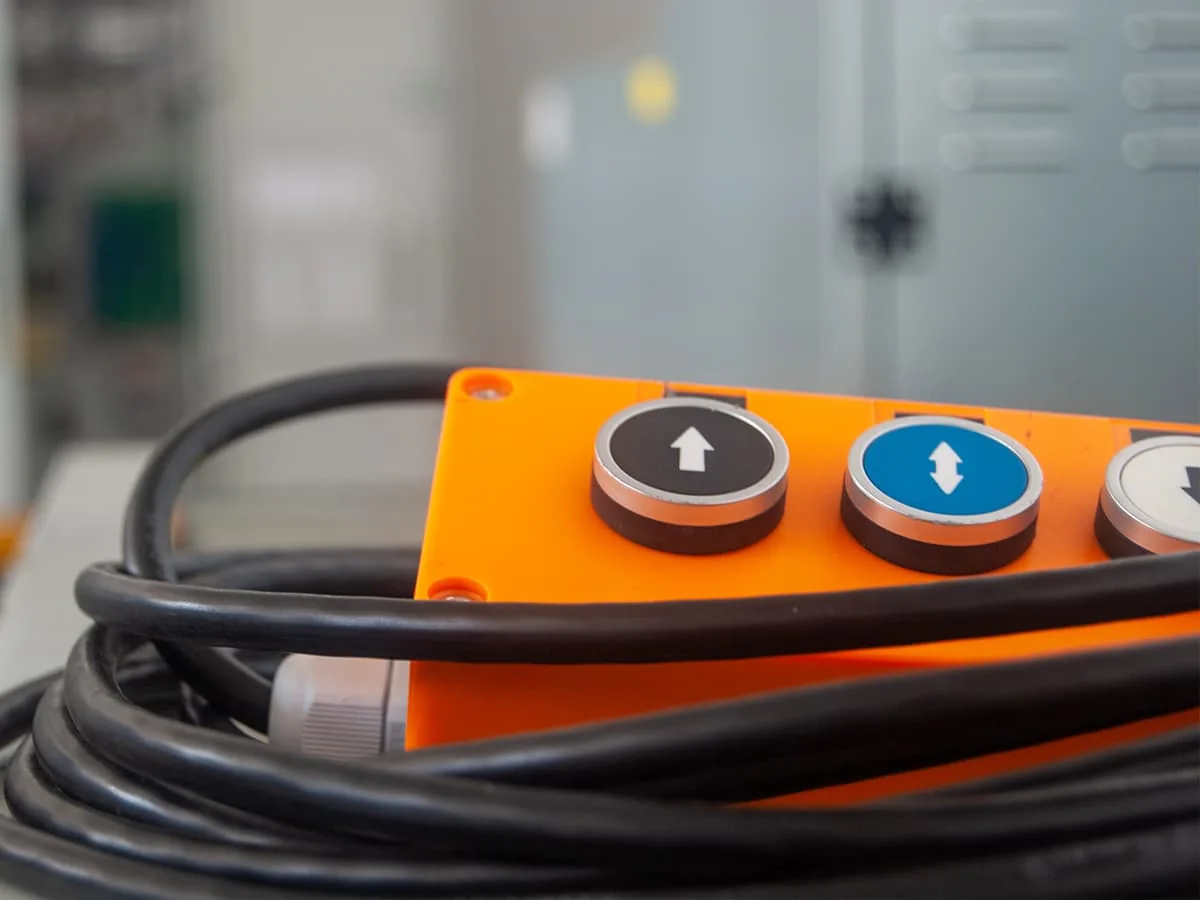
A food elevator usually carries one call station per floor and a simple panel at the car. Two-stop units often use nothing more than an up and a down button, while larger units add floor indication and a key switch so the lift can be locked outside service hours.
Interior finish is where food service separates itself from general goods handling. Stainless steel is the default, and the grade matters: 304 covers most kitchens, while 316 is chosen where chlorides, salt or aggressive cleaning chemicals are present. The car floor, the joints and the welds matter more than the appearance of the panels, because that is where food debris collects.
Daily use is simple by design. Trays go in, one button is pressed, the car returns to the landing. What owners underestimate is the maintenance side: a food elevator still needs scheduled checks, and the parts that wear are predictable rather than random. The component layout and the wiring logic are covered in our dumbwaiter control system guide, and the finish question in detail in stainless steel for food service.
On wear parts, the routine is short. Guide shoes, door rollers, the call buttons and the ropes or chain are the items that eventually need attention, and a planned schedule costs far less than a failure during service. Our dumbwaiter maintenance guide lists the checks by interval.
What a Food Elevator Costs
A food elevator occupies the lowest cost band of vertical transport, for the simple reason that it is small and never carries a person. The spread between the highest and lowest quote for the same kitchen rarely comes from the machine. It usually comes from the shaft, the terms and the scope that one supplier included and another left out.
Wider demand sets the backdrop to that quote. Restaurant and hospitality demand is forecast to grow at mid-single digits through 2032, and growth of that kind tightens lead times before it moves prices. Our dumbwaiter market outlook for 2026 shows where the growth is concentrated and which regions feel the capacity pressure first.
| Cost block | What drives it | Where buyers overspend |
|---|---|---|
| Car and doors | Size, finish grade, number of openings | Non-standard car size |
| Drive system | Traction, hydraulic or chain | Oversizing the drive |
| Shaft and civil work | Who builds the shaft, wall openings | Late changes after the shaft is built |
| Controls | Number of stops, key switch, indication | Adding stops nobody uses |
| Packaging and shipping | FOB, CIF or DDP terms | Comparing quotes on different terms |
| Local installation | Your own crew or a local partner | Not budgeting for it at all |
Two habits keep a food elevator budget predictable. First, compare quotes on identical terms, because a CIF price and a DDP price are not the same number and never will be. Second, fix the car size before the shaft is built, since a change of 100 mm afterwards costs far more than the same change before.
Because the machine is small, the useful question is not which unit is cheapest but which package will still be serviceable in five years. A supplier that holds spare parts and answers questions after delivery is worth more than a lower headline price. The full cost structure, including running and servicing costs, is broken down in our dumbwaiter price and food lift cost guide.
Which Building Type Needs Which Setup
The same product is specified differently depending on who uses it. A cafe moving pastries twice a day and a hospital moving meal trolleys four times a day both need a food elevator, but not the same one.
| Building | Typical load | Why that rating |
|---|---|---|
| Restaurant | 50 to 100 kg | Trays between kitchen and dining floor |
| Hotel | 100 to 200 kg | Room service trolleys and linen handling |
| Hospital and clinic | 200 to 250 kg | Meal trolleys, pharmacy and sterile supplies |
| Canteen, school, office | 250 to 300 kg | Bulk trays, crockery and cleaning loads |
| Home or villa | 50 to 100 kg | Groceries, luggage and small deliveries |
Restaurants usually care most about the pass point and the noise, which pushes the choice towards a wall or floor type with a fast cycle. Hotels care about cycle time and appearance, because the lift often sits near guest areas. Hospitals care about hygiene and reliability, and drive the specification towards stainless steel and a planned maintenance contract.
Reading a food elevator setup by building type is often faster than starting from a specification sheet. Our guides cover restaurants, hotels, hospitals and homes in the detail each one needs: restaurant dumbwaiter, hotel dumbwaiter, hospital dumbwaiter and home food lift.
Standards, Inspection and Safety
Where a food elevator is installed decides which standard it is built and inspected against. The three largest markets have three different answers, and a buyer who orders against the wrong one can end up with a machine that cannot be certified on site.
| Market | Main standard | Inspection duty |
|---|---|---|
| European Union | EN 81-30:2025 for service lifts | National regime plus CE marking |
| United Kingdom | BS EN 81-30, plus LOLER 1998 | Thorough examination, 12 months for goods lifts |
| United States and Canada | ASME A17.1 / CSA B44 | Periodic inspection set by the local authority |
| Most other markets | Usually follows EN or a local code | Confirm with the local authority before ordering |
In North America a dumbwaiter is defined by size rather than by name: a car floor of 9 square feet or less, a car height of 4 feet or less and a rated load of 500 lb or less. Cross any one of those and the machine leaves the category and picks up the requirements of a full elevator. In Europe the same boundary is written as 300 kg, 1.0 m2 and 1 m depth under EN 81-30:2025.
The European Commission publishes the framework for lifts in the single market, which is the clearest starting point for a specification written for the EU. In the United Kingdom, the HSE sets out the LOLER 1998 duty that lifting equipment used for goods receives a thorough examination at least every 12 months. Where a site also handles food, the FAO food safety portal is a useful reference for aligning the lift with hygiene rules.
Two habits avoid most compliance problems. Order the lift against the standard of the country it will be installed in rather than the country it is built in, and keep the certificate, the test records and the drawing pack together from delivery onwards. Our dumbwaiter regulations page collects the codes by market, and the dumbwaiter inspection schedule sets out what an inspector will ask for.
Seven Checks Before You Order a Food Elevator
Most disappointing food elevator projects fail on measurement rather than on machinery. Seven checks, done before the order is placed, catch nearly all of them.
- Measure the trolley you will actually use, including the handle, then add clearance before choosing a car size.
- Confirm the shaft can be built at the car size plus rail clearance, and check whether an existing duct can be converted.
- Count the stops honestly. Each extra landing adds hardware, wiring and cost, and unused stops are pure waste.
- Fix the finish grade. Choose 304 for a normal kitchen and 316 where salt or aggressive chemicals are present.
- Agree the delivery term in writing, and make sure every supplier is quoting on the same one.
- Ask for the CAD shaft drawing before the shaft is built, so the building and the lift agree on dimensions.
- Confirm the spare parts list and the warranty period, because those decide what year three looks like.
A short list of questions to a supplier will separate a specialist from a reseller faster than any brochure. Ask who builds the car, where the drive comes from, what the warranty covers, and how quickly a spare part ships. Our dumbwaiter supplier verification guide sets out those questions, and importing a dumbwaiter from China covers the paperwork side.
Frequently Asked Questions
Is a food elevator the same as a dumbwaiter?
Essentially yes. Dumbwaiter is the older trade word, food elevator is the plain description, and service lift is the term European standards use. All three describe a non-passenger lift for goods, so a quotation written for a dumbwaiter is a quotation for a food elevator, and the numbers that matter are the same.
Can a food elevator carry people?
No. The moment a person is allowed to ride in the car, the machine becomes a goods lift or a passenger lift, with a different standard, a larger shaft and a much higher price. This is the single rule that defines the category, and it is the first question an inspector will ask.
How much does a food elevator cost?
Price depends far more on the shaft than on the machine. Car size, finish, drive type, number of stops, shipping terms and who builds the shaft all move the number, so two quotes for the same kitchen can differ widely. Ask for a breakdown by cost block rather than a single total, and compare suppliers on identical terms.
How long does a food elevator take to arrive?
A standard unit is quoted at 15 to 25 working days from a factory such as ServLifts in Suzhou, China. Custom car sizes and peak season push the figure towards the longer end, and shipping time sits on top of that. Spare parts are normally held in stock and can ship within 3 working days.
Where can I buy a food elevator?
Food elevators are built both by large elevator brands and by specialist factories. A large brand may price a small non-passenger lift at a level that is hard to justify for one kitchen, while a specialist factory inside an elevator manufacturing cluster builds the same category of machine at a lower overhead. The right answer depends on how much of the shaft and installation scope you can manage locally.
Is a food service elevator the same as a food elevator?
Yes. Food service elevator is the phrase used in hotel, hospital and facility procurement documents, and it describes the same non-passenger machine as a food elevator, food lift or dumbwaiter. The numbers that decide the quote do not change with the name: rated load, car size and the rule that nobody rides inside. Cross any one of the category limits and the unit stops being a food service elevator and becomes a goods lift.
Next Step
Send the floor-to-floor heights, the trolley dimensions and the number of stops, and ServLifts will confirm a food elevator size and return a free CAD shaft drawing. That costs nothing and settles within days whether your building can take the unit you want.
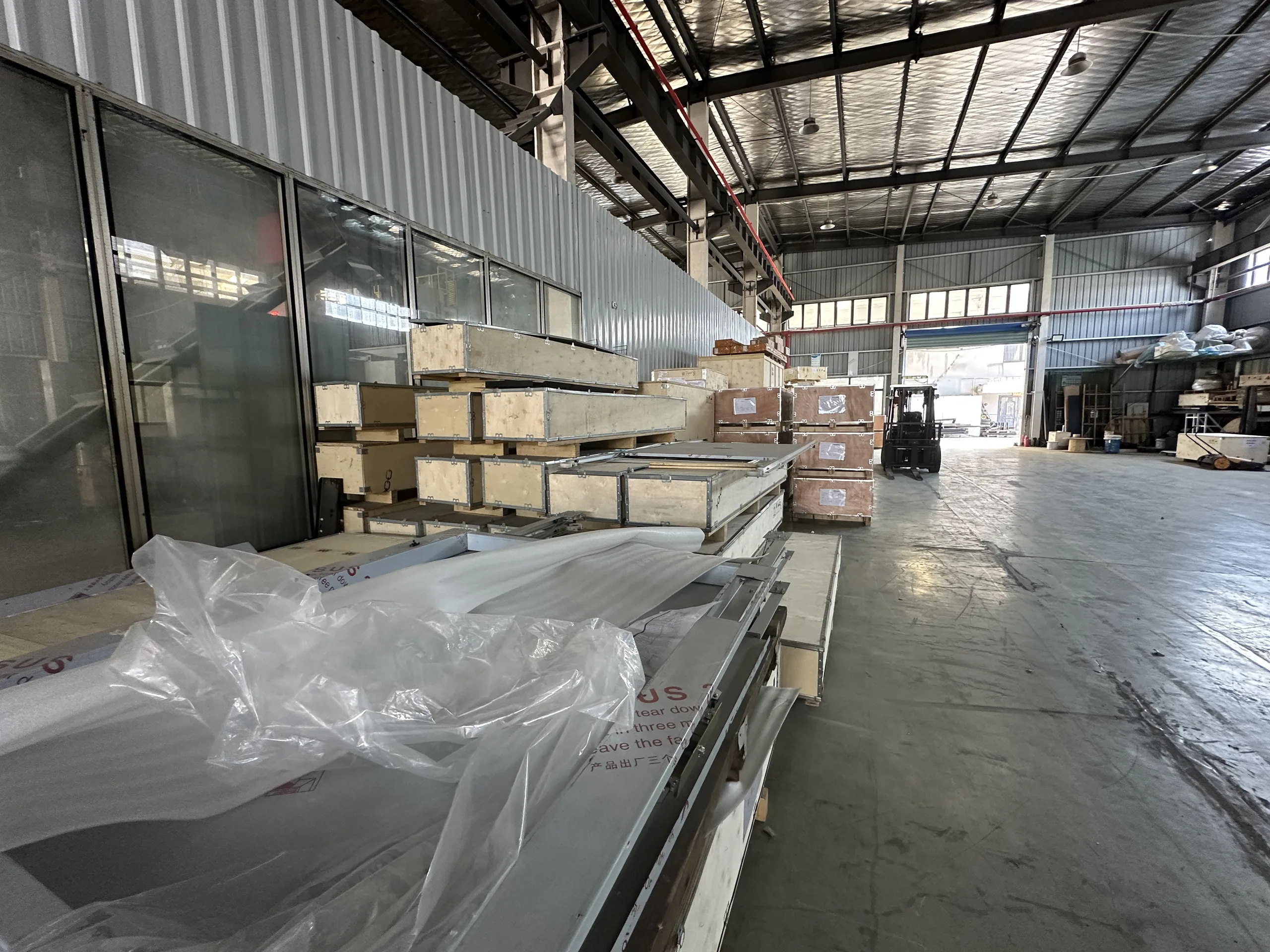
ServLifts builds and assembles food elevators in Wujiang, Suzhou, in the Yangtze River Delta elevator manufacturing cluster, and supplies them for export with CE documentation, drawing packs and spare parts support. Send your dimensions and we will come back with a size, a price and a drawing.