Welcome to ServLifts Official Website

Food Lift vs Service Lift vs Dumbwaiter: What’s the Difference? (2026 Guide)

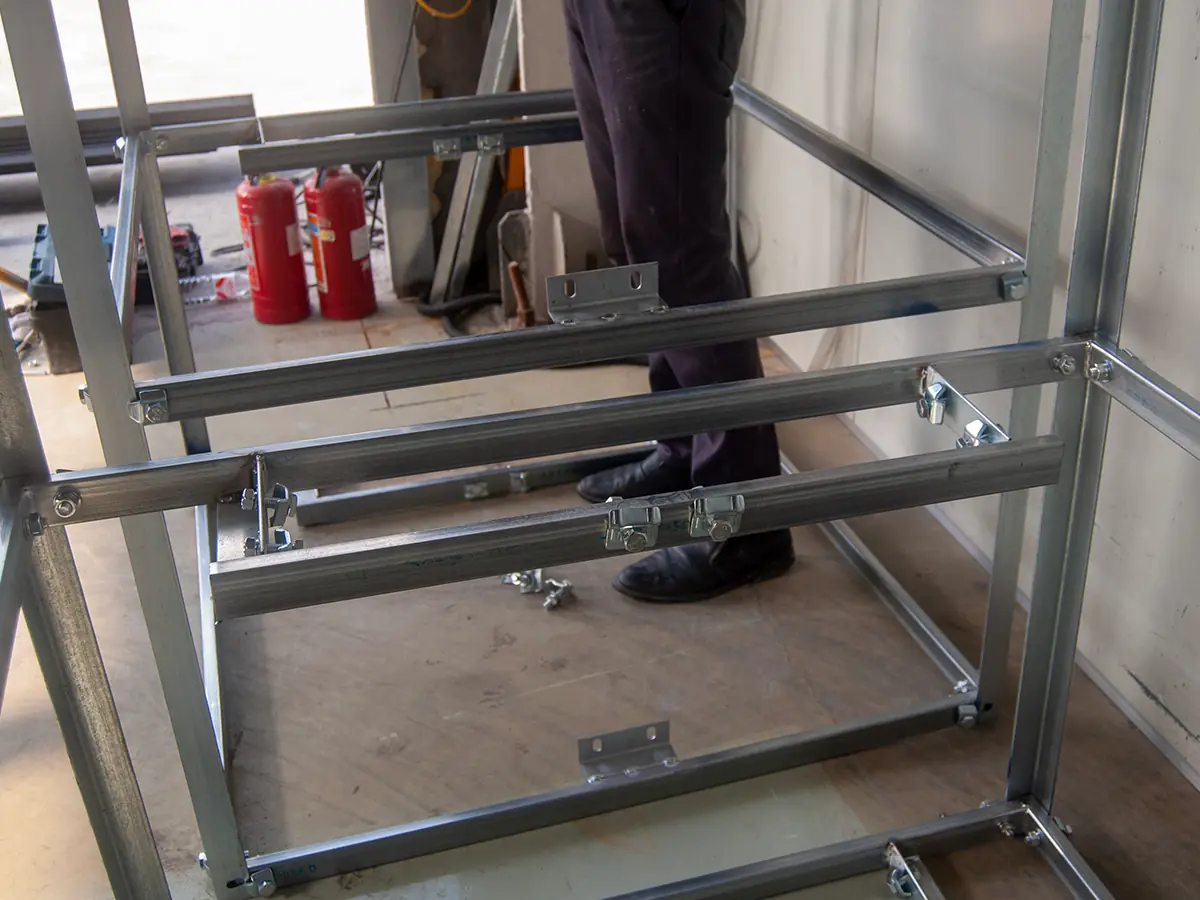
Ask three suppliers the same question — food lift vs service lift vs dumbwaiter, are these the same machine? — and you will get three different answers, each delivered with total confidence. They are not being difficult. The industry really does use several names for one piece of equipment, and the name a supplier uses tells you which market and which trade they came from.
If you have been comparing options online, you have probably seen three or four different names for what looks like the same machine: food lift, service lift, dumbwaiter, and sometimes small freight elevator. Are they the same thing? Not exactly — and knowing the difference matters when you ask a manufacturer for a quote, because the name you use tells them what you intend to carry and where it will be installed. This 2026 guide explains each term, how they overlap, and how to choose the right one for a restaurant, hotel, hospital, office, or home.
The short answer to the food lift vs service lift question: in most buildings they are the same machine wearing two different industry labels, and the third term in that comparison — dumbwaiter — is the formal name of the equipment family itself. A food lift vs service lift comparison only starts to change your specification when the load, the wash-down routine or the building’s fire strategy changes. Everything else is vocabulary.
This page is the vocabulary page. It maps every name this lift travels under, explains where the names came from, tells you which word to use when you approach a manufacturer, and shows you what the same machine is called from Manila to Monterrey. If you want the hardware explained first, start with our guide to what a dumbwaiter elevator actually is, then come back here for the naming.
On this page
- Food Lift vs Service Lift: The Short Answer
- The Complete Name Map
- Why One Machine Has So Many Names
- What Is a Food Lift?
- What Is a Service Lift?
- What Is a Dumbwaiter?
- What Is a Small Freight Elevator?
- The Same Word in a Different Country
- Dumb Elevator, Dumb Waiter, Dumbbell
- What It Is Called in Other Languages
- Non-Passenger by Definition
- How to Choose the Right One
- Does the Name Affect the Quote?
- Frequently Asked Questions
Food Lift vs Service Lift vs Dumbwaiter: The Short Answer
If you have thirty seconds, read this table. If you have five minutes, read the rest of the page — the differences that change a real project are in the detail underneath it.
| The name you hear | Who usually says it | What it almost always means |
|---|---|---|
| Dumbwaiter | Manufacturers, engineers, lift consultants | The equipment itself — a small non-passenger goods lift running in its own shaft |
| Food lift | Restaurants, cafés, catering, kitchen designers | A dumbwaiter configured for food: stainless car, easy to wash down, quiet in service |
| Service lift | Hotels, hospitals, facilities management | A dumbwaiter carrying building supplies — linen, meals, medical consumables |
| Small freight elevator | Warehouses, retail, light industry | The heavier end of the same family — larger car, heavier rated load |
So in a food lift vs service lift comparison the machine on the drawing is rarely the variable — the application is. Change the load and you change the car; change the building and you change the shaft; change neither and you are simply arguing about a word.
What Is This Lift Called? The Complete Name Map
Below is every name this category of equipment travels under in English-speaking markets, and what each one usually signals. If an architect, consultant or supplier uses a term you have not met before, find it here first.
| Name | Where you will hear it | What it usually means |
|---|---|---|
| Dumbwaiter | Everywhere; the formal term | The umbrella name for this whole family of small goods lifts |
| Dumb waiter / dumb-waiter | Older drawings, hotel and property documents | The same machine; the two-word and hyphenated spellings are older forms |
| Dumb elevator | Buyers who half-remember the word | Nearly always means dumbwaiter — see the spelling section below |
| Dummy elevator | Some US dealer sites and service literature | An informal variant of dumbwaiter, not a passenger lift |
| Food lift | UK, Ireland, Australia, New Zealand; commercial kitchens | A dumbwaiter configured for food service between kitchen and floor |
| Food elevator | India, Pakistan, the Philippines, Indonesia, the Gulf | Same as food lift; “elevator” dominates in these markets |
| Service lift | UK, Ireland, hospitality, healthcare | A goods lift serving building operations — read the warning further down |
| Service elevator | US, Canada, facility management | Often a larger goods lift that people may ride; check before assuming it matches a dumbwaiter |
| Kitchen lift | Restaurant fit-out drawings, kitchen equipment suppliers | A short-travel food lift, frequently between two floors only |
| Tray lift / serving lift | Cafés, canteens, hotel banqueting | A food lift sized for trays rather than trolleys |
| Pantry lift | Villa and residential projects, older hotels | A small food lift between kitchen and pantry or dining level |
| Mini freight elevator | Trade catalogues, customs paperwork | The heavier end of the family; near-synonym for small freight elevator |
| Document lift | Offices, libraries, archives | A dumbwaiter with a shallow car for files and mail |
| Laundry lift / linen lift | Hotels, hospitals, care homes | A larger service lift built around trolleys of linen |
| Hospital dumbwaiter | Healthcare procurement | A service lift specified for meal trays, medication and sterile supplies |
One row in that table deserves its own doorway. “Food elevator” is the name most buyers type before they have ever heard the word dumbwaiter, so our food elevator guide answers the first-time questions — what the machine is, which shapes exist and what drives the cost — before you need any of the vocabulary above.
Two of those lines carry a trap, and both of them are worth knowing before you write a specification. A service elevator in North America is often a full-size goods lift that staff ride in, which makes it a passenger-rated machine — a different product, a different standard and a different price from the equipment on this page. And the food lift vs service lift question itself sometimes dissolves on inspection, because in a single hotel the housekeeping team, the kitchen and room service may all use one goods lift that three different consultants have named three different ways. Sorting the names is the easy half; the harder half is the specification, and the food elevator selection guide works through it in the order the decisions arrive: capacity, shaft, drive, and budget.
Why Does One Machine Have So Many Names?
Three reasons. All three explain why you keep meeting new words for the same box in a shaft.
1. The name started as a joke, not a specification. In nineteenth-century American hotels and restaurants, dishes travelled between kitchen and dining room on hand-rope hoists. The contraption replaced a waiter without ever talking back, so it was nicknamed the dumb waiter — “dumb” in the older sense of silent, not stupid. The joke hardened into the name of the equipment category, which is why the formal technical term today is still dumbwaiter, long after the joke stopped being funny.
2. Every industry renamed it for its own use. A restaurant buys a food lift, a hospital buys a service lift, a library buys a book lift, a villa buys a pantry lift. The machine underneath is the same category every time — non-passenger, shaft-guided, goods only — but each industry’s procurement vocabulary ends up printed on the invoice. The food lift vs service lift split is largely this: two industries naming one product from their own side of the transaction.
3. Different markets inherited the word from different suppliers. Markets that imported this equipment through British trade channels say lift; markets supplied through American or Japanese channels say dumbwaiter or elevator. Thirty years later, that vocabulary is embedded in local tender documents, and a buyer who uses the “wrong” term locally looks like an outsider. Our guide to the eight types of elevator shows how much of the wider lifting vocabulary is regional in exactly the same way.
What Is a Food Lift?
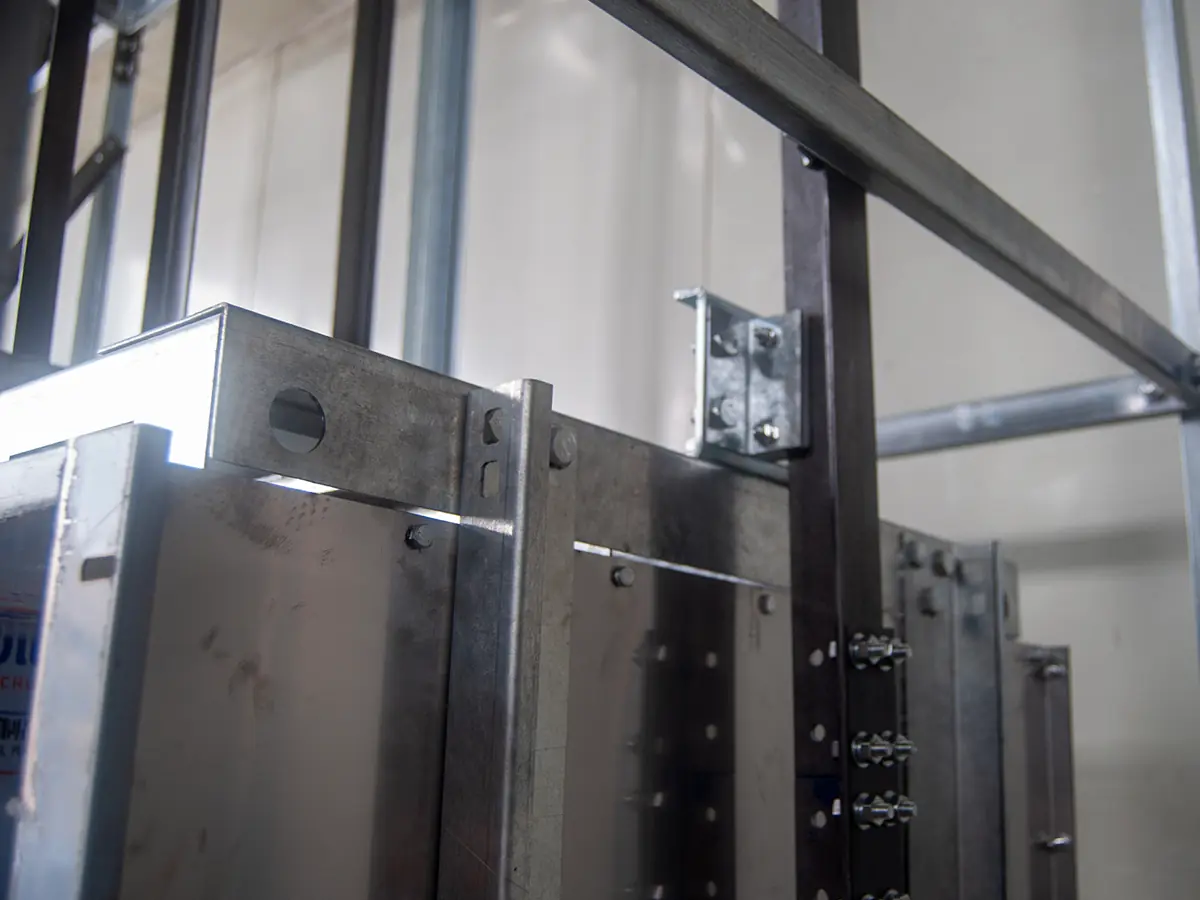
A food lift is a small non-passenger lift built specifically to move food, dishes, trays, and beverages between floors. It is the name most commonly used in the restaurant and catering world: kitchens on the ground floor send meals up to dining areas, and dirty dishes come back down. Food lifts are usually built with stainless-steel cars for easy cleaning and hygiene, and they run quietly enough for guest-facing areas. If you run a restaurant, café, or catering business, this is the term your kitchen consultant is most likely to use.
Where the difference between a food lift and a service lift becomes real is in the car and its surroundings. A food lift is normally specified with a stainless interior that a kitchen can hose down, quieter drive components because it often opens onto guest-facing corridors, and door gear sized for trays rather than trolleys. In a food lift vs service lift requirement, those four lines — finish, noise, hygiene, and how the goods arrive — are what actually move the quotation.
What Is a Service Lift?
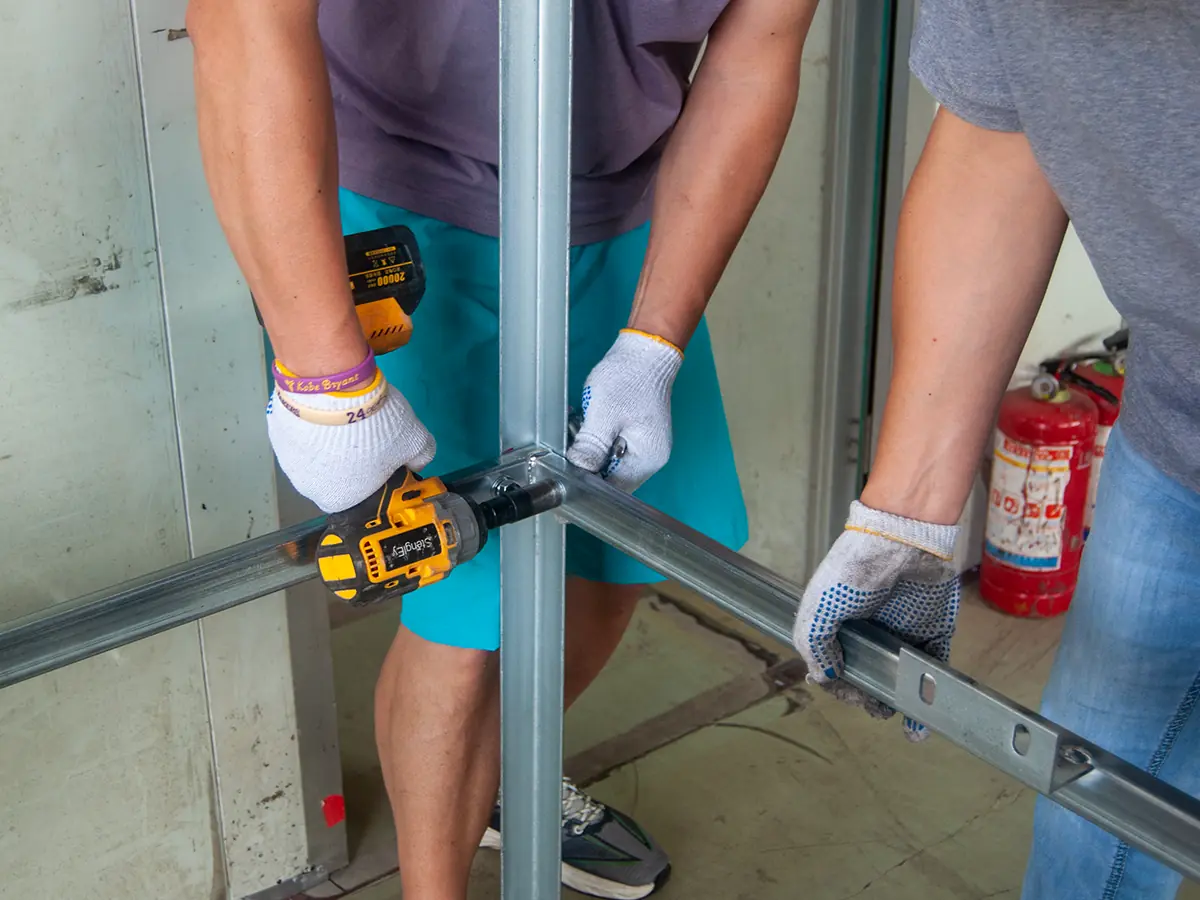
A service lift is the broader term: any small non-passenger lift used to carry goods and supplies in a building. The same machine that moves food in a restaurant might be called a service lift when it carries linen and housekeeping supplies in a hotel, or medical supplies and patient meals in a hospital. The word “service” signals that it serves the building’s operations rather than passengers. In practice, service lift and dumbwaiter are used almost interchangeably across hospitality and healthcare — the main difference is the industry jargon of whoever is specifying the project. Where the categories genuinely diverge is in the hardware, which our dumbwaiter differences guide breaks down.
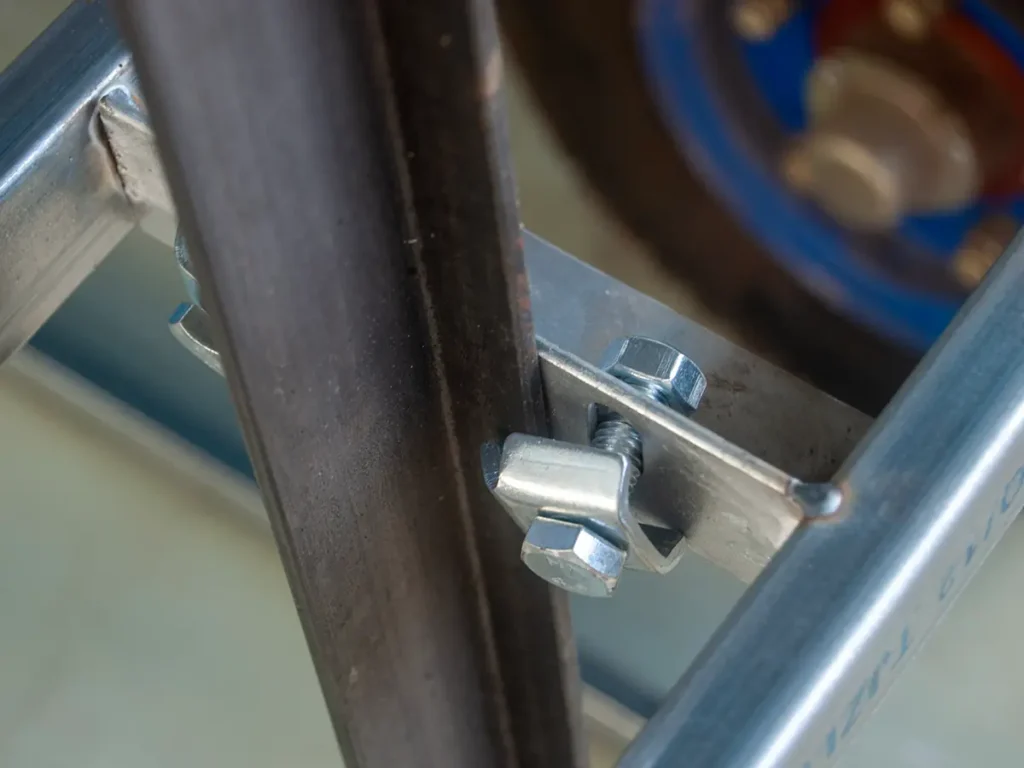
One warning before you use this term in a specification. In the United Kingdom and parts of Europe, “service lift” is frequently used for a passenger lift that serves staff, kitchens and back-of-house traffic — a full-size lift with a cabin people stand in. That is a different machine from a dumbwaiter: different standards, different shaft, materially different price. If you are specifying in a market where the phrase can mean either thing, write the requirement instead of the label — goods only, rated load, car size, travel, and the words “no passenger use”. A supplier who knows the difference will confirm it back to you; a supplier who does not, will not.
Read from the other direction, the food lift vs service lift distinction collapses in most hotels: housekeeping, room service and the kitchen frequently share one goods lift, and the name printed on the drawing depends entirely on which consultant drew it.
What Is a Dumbwaiter?
A dumbwaiter is the traditional, most widely used name for this exact category of equipment — a small freight lift with a car sized for goods rather than people, typically 60×60 cm up to 100×100 cm and 100–250 kg capacity. It is the umbrella term: a food lift is a dumbwaiter built for food, a service lift is a dumbwaiter built for general supplies, and a document dumbwaiter is a dumbwaiter built for files. Buyers searching for “dumbwaiter” are looking for the same equipment that others call a food lift or service lift.
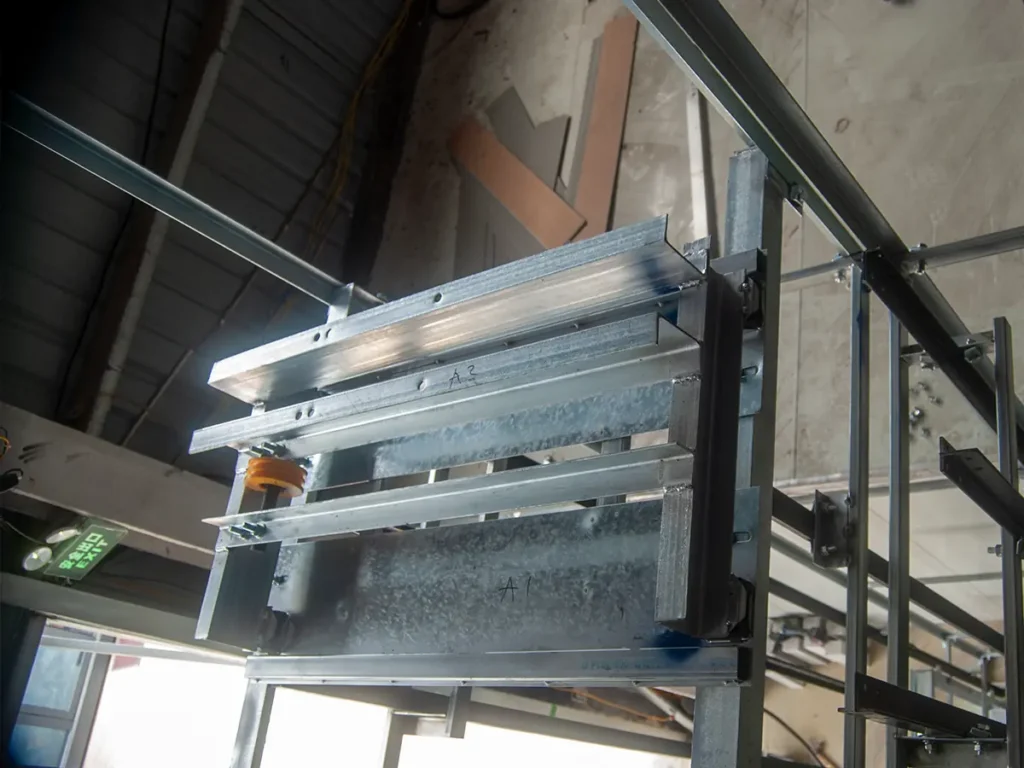
What separates a dumbwaiter from a passenger lift is classification, not marketing. Under ASME A17.1 — the North American safety code that governs passenger elevators and material handling equipment alike — a dumbwaiter is defined as a hoisting and lowering mechanism whose car moves in guides in a substantially vertical direction, with the car floor area and compartment height held inside the limits the standard sets for this category, and it may never carry people. Exact limit values are revised between editions and vary by jurisdiction, so the practical rule for a buyer is simpler: if a unit is classified as a dumbwaiter, no version of it is a passenger lift, and no amount of stainless steel will make it one.
What Is a Small Freight Elevator?
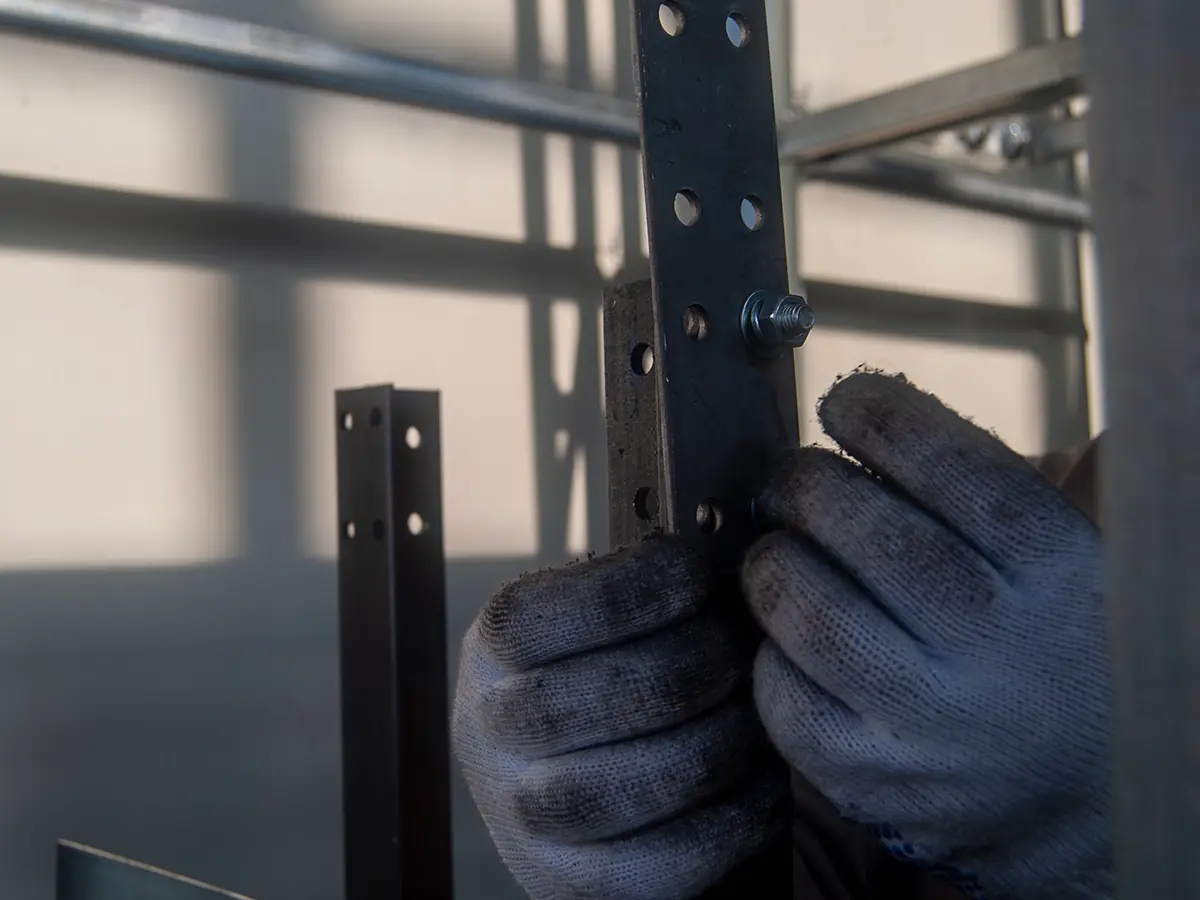
A small freight elevator sits at the larger end of the same family. Where a dumbwaiter carries food trays and documents, a small freight elevator is sized for heavier or bulkier goods — kegs, equipment, stock, or furniture — while still being much smaller and cheaper than a passenger elevator. Many light-industrial, retail, and warehouse buyers search this way when they want something between a dumbwaiter and a full goods elevator. If your loads are heavier than 250 kg or taller than a standard dumbwaiter car, this is the term to use.
The practical dividing line runs through your heaviest realistic load. If it fits a car between 60×60 cm and 100×100 cm and stays under roughly 250 kg, you are shopping inside this family and any name on this page will get you a sensible quotation. If your loads are bulkier — kegs, pallets, equipment cases, furniture — say small freight elevator or material lift so the supplier sizes the car and the drive around it instead of trimming a dumbwaiter design to fit. In a food lift vs service lift vs small freight elevator conversation, this is the one case where the choice of word shifts the price by a step rather than a rounding.
Traction vs Hydraulic: Which Drive System?
Once you have settled on the type, the next decision is the drive system. For most food, service, and light-freight applications, a traction dumbwaiter beats a hydraulic one on three points: no hydraulic oil (cleaner around food and better for hygiene), lower standby power, and simpler periodic inspection. Hydraulic units still suit very heavy or infrequent loads, but the typical 100–250 kg specification is squarely traction territory. We compared all three drive systems in our traction vs hydraulic vs screw guide.
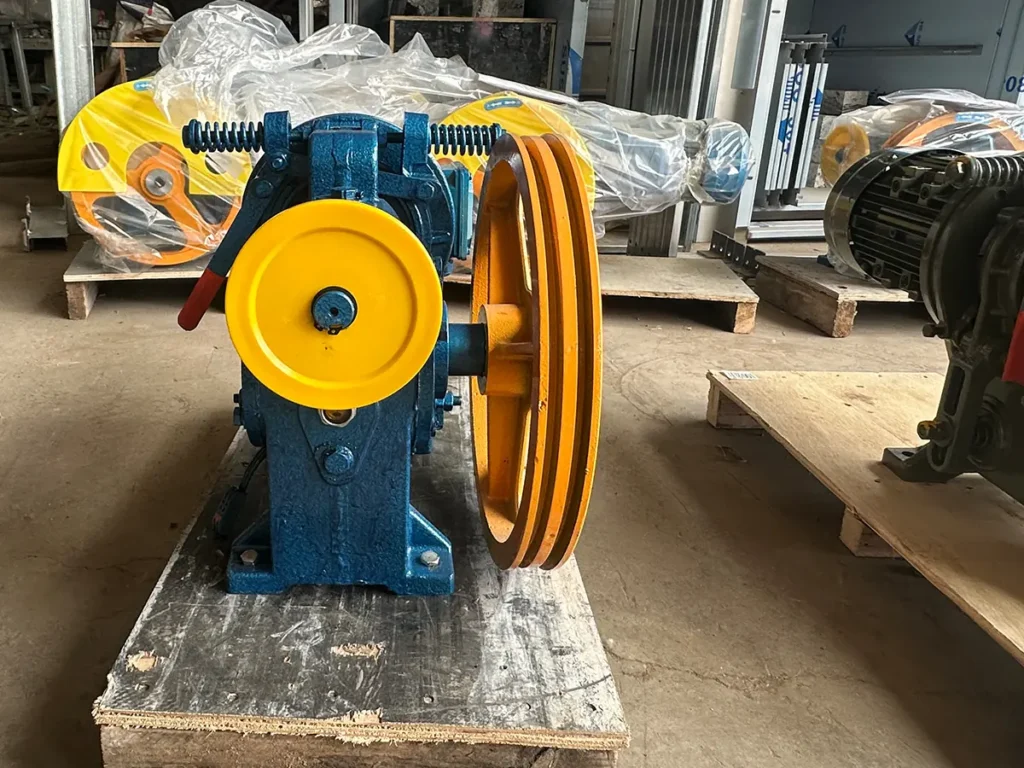
For most food lift vs service lift projects the answer is the same: a traction drive, sized to the load, with the machine mounted so it can be serviced without emptying the shaft. Where the naming does matter is at commissioning and inspection, because a unit specified as a service lift may be expected to meet a different local inspection regime than one specified as a food lift — another reason to put the specification in writing rather than negotiating over a word.
The Same Word in a Different Country
Vocabulary is regional, and the same phrase can point at two different products. Keep this table open when you write a specification that will be read across a border.
| Market | Word you will hear most | What it normally means there |
|---|---|---|
| United Kingdom & Ireland | service lift / food lift | Either a goods-only dumbwaiter or a staff passenger lift, depending on who wrote the document |
| United States | dumbwaiter; service elevator | “Dumbwaiter” is the exact term for this family; “service elevator” is usually a large goods lift staff may ride |
| Canada | dumbwaiter | Same as the US, with ASME A17.1 / CSA B44 both applying |
| Australia & New Zealand | food lift; service lift | Goods-only, short travel, restaurant and hotel work |
| India & Pakistan | food elevator; service lift | Goods-only, kitchen and hospital projects; “food elevator” travels faster internally |
| Philippines, Indonesia, Malaysia | food elevator; dumbwaiter | Interchangeable; expect the word “elevator” in every document |
| Gulf states | food lift / service lift / food elevator | All three in circulation; the specification carries the meaning |
| Nigeria & West Africa | service lift; food lift | Hotel, hospital and restaurant projects; see our regional guides for local practice |
| Mexico & Latin America | montaplatos; elevador de servicio | Spanish tenders rarely use the English word at all |
| Eastern Europe | service lift; kitchen lift | Hotel and hospital retrofits; local-language terms dominate procurement |
The lesson from that table is short: the label is regional shorthand, the specification is not. When a project crosses a border, translate the requirement, not the word — and if you are sourcing from overseas, the reverse food lift vs service lift problem appears, because the factory will answer whichever term you used without correcting you.
“Dumb Elevator”, “Dumb Waiter”, “Dumbbell”: Spelling and Mishearing
A meaningful share of the people who reach this page typed something that is not quite the word. All of the following are common, and all of them are looking for the same machine:
- “dumb elevator” — by far the most common variant. If you typed this, you are almost certainly looking for a dumbwaiter: a small goods lift in its own shaft. Some US dealers use “dumb elevator” and “dummy elevator” informally for exactly that product.
- “dumb waiter” (two words) and “dumb-waiter” (hyphenated) — the older forms of the same name. Still correct, same equipment.
- “dump waiter” and “dumpwaiter” — spelling by sound. Nobody is selling you waste handling.
- “dumbbell elevator” — a mishearing of “dumbwaiter”. Gym equipment is not involved.
- “food elevator lift” and “kitchen elevator” — two names stacked together, which is what happens when one market’s word meets another’s.
That list covers what most buyers type. We decoded the rest as well — twelve names in total, sorted into the “dumb”, “food” and trade families, with the two that mean a genuinely different machine flagged — in our dumb elevator name guide.
Does the spelling matter to you? In exactly one place: search and enquiry. If you use a variant, a search box may return nothing useful and a receptionist may file your message under the wrong product. When you write to a manufacturer, use the term the trade uses — dumbwaiter, food lift or service lift — and add one sentence describing what you want to move. That pairing is unambiguous in every market on this page.
The same trap runs the other way, too. A supplier who files your enquiry as a generic food lift vs service lift vs dumbwaiter question without ever asking what you are lifting has not understood the job; the answer to all three names is “tell me the load and the building”.
What Is It Called in Other Languages?
If you are writing a tender, a customs document, or the first message to a supplier whose first language is not English, these are the terms that actually get replies. Several are more descriptive than the English word — the Spanish and Italian names translate as “plate-putter” and “food-putter”, which says exactly what the machine is for.
| Language | Term | Literal meaning or note |
|---|---|---|
| Spanish | montaplatos | “plate-putter”; ascensor de servicio for a larger goods lift |
| Portuguese | monta-cargas; elevador de serviço | “load-putter”; service lift |
| French | monte-plats | “dish-raiser”; the standard term in hotels and restaurants |
| Italian | montavivande; montacarichi | “food-putter”; “load-raiser” for heavier units |
| German | Speisenaufzug | “food lift”; Lastenaufzug for goods lifts generally |
| Dutch | plateaulift; goederenlift | Small goods lift; goods lift |
| Polish | winda kuchenna; dźwig towarowy | “kitchen lift”; goods hoist |
| Russian | подъёмник для посуды | Dish hoist; also лифт для еды, food lift |
| Turkish | yemek asansörü | “food elevator” |
| Arabic | مصعد الطعام | “food elevator” |
| Indonesian | lift makanan | “food lift” |
| Vietnamese | thang máy thực phẩm | “food elevator” |
| Hindi | खाना लिफ्ट | Food lift |
None of this changes what you are buying. It changes whether the person reading your message recognises it in the first ten seconds — which, in export enquiries, is most of the battle.
Non-Passenger by Definition: What Every Name Has in Common
Whichever word you settle on, one property is fixed: this family of equipment carries goods, not people. That is not a marketing choice, it is what the category is.
In Europe the relevant rules sit in EN 81-31, the part of the EN 81 series written for lifts carrying goods only; in North America, dumbwaiters and material lifts are governed by ASME A17.1 alongside passenger elevators but classified separately, and never as passenger equipment. The consequences for a project are concrete:
- No passenger-rated safety gear and no passenger cabin — the car is built around goods, not around a person plus goods.
- Shaft doors that interlock but are sized for loading trays and trolleys, not for people to walk through.
- Loading and floor area calculated from your realistic goods load, with the standard’s category limits applied.
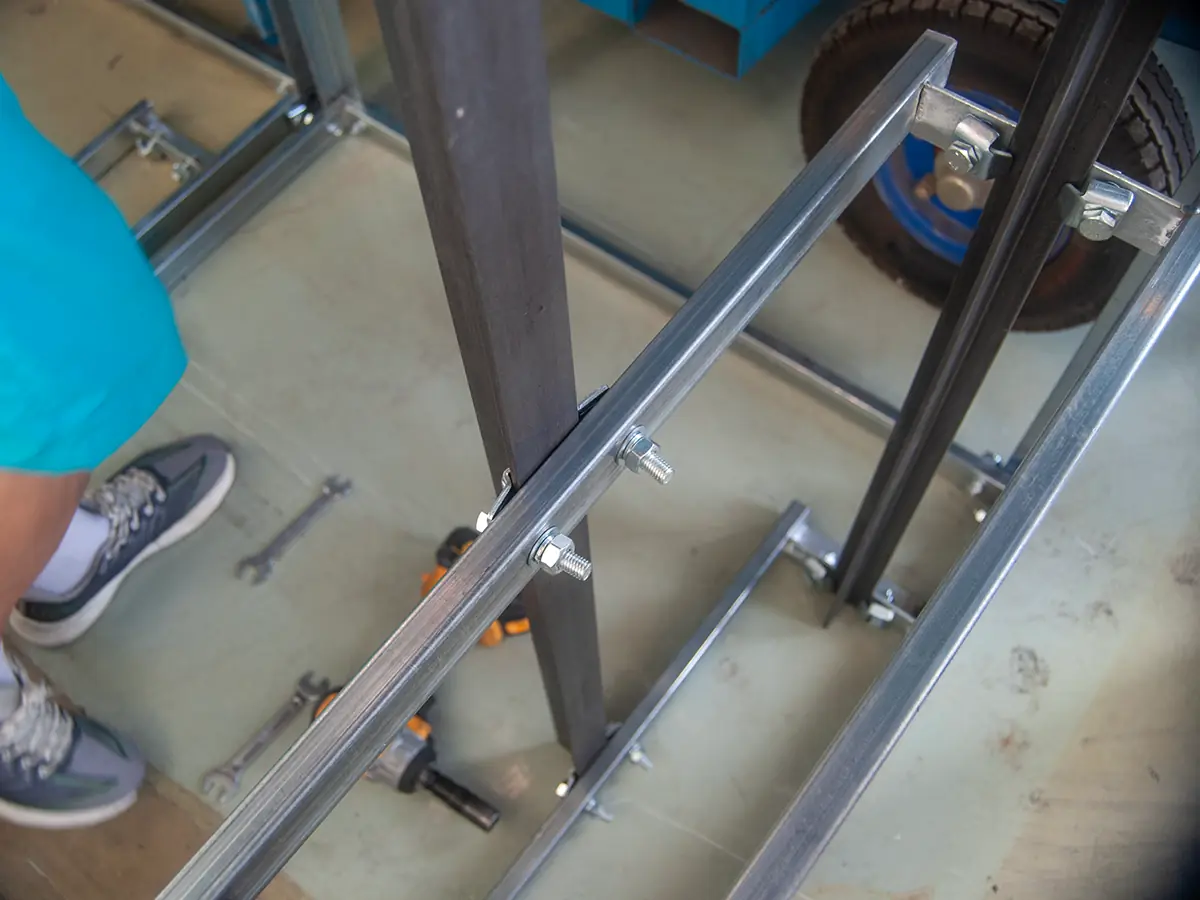
Buyers occasionally ask whether a bigger food lift can double as a small passenger lift. The honest answer is no. It is a different product with different certification, and a supplier who offers to “make it passenger-capable” is describing equipment that will satisfy the standards of neither category. If people need to be moved, that is a passenger elevator — a separate purchase, a separate shaft and a separate budget. For the side-by-side breakdown, see our dumbwaiter vs passenger elevator guide.
How to Choose the Right One for Your Building
- Restaurants and cafés: ask for a food lift. Stainless-steel car, 60×60 cm or 80×80 cm, 100–200 kg, quiet traction drive.
- Hotels: ask for a service lift or dumbwaiter for linen, room service, and housekeeping carts between service floors.
- Hospitals and clinics: a service lift carries patient meals, medical supplies, and waste — hygiene and stainless construction are the priority.
- Offices and libraries: a document dumbwaiter with a smaller, shallower car moves files between floors.
- Retail, warehouse, and light industry: a small freight elevator with a larger car and higher capacity for stock and equipment.
Whatever you call it, the practical checklist is the same: match car size to your busiest realistic load, confirm voltage and frequency for your region, and check the hoistway dimensions with your architect early. A credible manufacturer should build to recognized safety and design standards, such as those published by the American Society of Mechanical Engineers (ASME). Our import-from-China guide walks through the full process if you are sourcing from a Chinese manufacturer.
One structural point that follows from everything above: the food lift vs service lift decision rarely settles the hardware, but the building settles it every time. Travel height, shaft dimensions, floor loading and door positions are fixed by the structure you already have, so the same name can lead to two very different quotations depending on where the unit will stand. Our dumbwaiter dimensions and shaft guide covers the space you need, and the guide to the eight types of elevator shows where this family sits against everything else in a building.
Food Lift, Service Lift, or Dumbwaiter — Does the Name Affect the Quote?
Occasionally, yes. Some manufacturers price by use case and size the build differently: a “food lift” may come with a stainless car as standard, while a generic “dumbwaiter” may be painted steel. When you request a quotation, state your load, car size, and application clearly (for example: “food lift, 80×80 cm, 150 kg, stainless car, for a restaurant”) so the supplier quotes the right configuration regardless of which name you use. If the supplier is credible, they will confirm the specification back to you rather than selling you a generic unit.
To make the question moot, describe your project in five lines and the name stops mattering:
- What you are moving — loaded trays, laundry trolleys, medical supplies, archives.
- Rated load in kilograms, based on your busiest realistic trip rather than the average one.
- Car size in centimetres, measured inside.
- Number of stops and total travel height.
- Destination country and port — voltage, frequency and documentation follow from it.
Send those five lines and a competent manufacturer will quote the same machine whether you headline the enquiry as a food lift vs service lift question or simply write “dumbwaiter”. If you are still comparing suppliers, our guide to sourcing a dumbwaiter manufacturer in China and the factory-direct checklist cover what to verify next, and our cost guide explains how the main price variables behave.
Frequently Asked Questions
Is a food lift the same as a dumbwaiter?
Essentially yes. A food lift is a dumbwaiter configured for food transport — usually with a stainless-steel car and quieter operation. “Dumbwaiter” is the umbrella term for the whole category of small goods lifts.
What is the difference between a service lift and a dumbwaiter?
Mostly the industry jargon. “Service lift” is used more in hotels and hospitals to describe a small goods lift serving operations, while “dumbwaiter” is the broader equipment term. In most quotes they refer to the same machine.
What is a small freight elevator used for?
A small freight elevator carries heavier or bulkier goods than a typical dumbwaiter — stock, equipment, kegs, or furniture — in retail, warehouse, and light-industrial settings. It is smaller and cheaper than a passenger elevator.
What capacity do I need for a restaurant food lift?
Most restaurant food lifts are 100–200 kg with car sizes from 60×60 cm to 80×80 cm — enough for loaded trays and small carts. Match the car to your busiest realistic load rather than buying the smallest option.
What do you call a food elevator in a restaurant?
In most English-speaking markets, restaurant projects ask for a food lift. In India, Pakistan, the Philippines, Indonesia and the Gulf, the same product is normally ordered as a food elevator. Kitchen designers may write tray lift or kitchen lift when the travel is only between two floors. Behind all four names is the same equipment: a dumbwaiter, meaning a small non-passenger lift in its own shaft.
Is a service lift the same as a dumbwaiter?
In hotels and hospitals, usually yes — “service lift” is the facilities-side name for a goods-only lift serving building operations, and the machine is a dumbwaiter. But in the UK and parts of Europe the same phrase often means a full-size passenger lift reserved for staff, which is a completely different product. If you are not certain which one a supplier means, specify “goods only, no passenger use” instead of relying on the label.
What is a “dumb elevator” or a “dummy elevator”?
Both are informal variants of dumbwaiter, used by some US dealers for the same small goods lift. If you searched either term, you are in the right place: the product you want is a dumbwaiter, and the two-word and hyphenated spellings describe identical equipment.
Why do some markets say food lift and others say dumbwaiter?
It follows trade history rather than engineering. Markets that imported this equipment through British suppliers inherited “lift” vocabulary; markets supplied through American or Japanese channels use “dumbwaiter” and “elevator”. Inside a single market, the word used by whoever writes the specification usually wins — which is how one hotel ends up with a food lift, a service lift and a dumbwaiter on three floors.
Application Guides
Once you know which term to use, dive into the application-specific guide: the restaurant dumbwaiter guide, the hotel dumbwaiter guide, the home dumbwaiter guide, and the hospital dumbwaiter guide each cover sizing, installation, and cost for that setting. If you would rather understand the equipment first, start with what a dumbwaiter elevator is and come back to the application that matches your building.
Conclusion
Food lift, service lift, dumbwaiter, and small freight elevator are different names for the same family of small non-passenger lifts — the right term depends on your industry and what you carry. Once you know the name to use, focus on the specification: car size, capacity, drive system, and installation space. Global elevator majors such as Otis and Hitachi build excellent passenger lifts, but their small-goods-lift lines are often secondary to their core business; for a dedicated food or service lift, buyers typically turn to a specialist. A specialized manufacturer like ServLifts builds all of them from the same traction-dumbwaiter platform, with car sizes from 60×60×80 cm to 100×100×120 cm and capacities of 100–250 kg.
If you are still unsure which word fits your project, describe the project instead of naming it: what you are moving, how heavy it is, how far it travels, and where it will be installed. That brief is understood in every market on this page, and it is what a manufacturer actually needs in order to quote. The food lift vs service lift question answers itself once the load is on the table.
Ready to spec your unit? Contact us with your application (restaurant, hotel, hospital, office, or warehouse), car size, and load — we will quote the right configuration, whatever you choose to call it.
[…] a bar or prep area). They are the same category of equipment — we explain all four terms in our food lift vs service lift vs dumbwaiter guide. Whatever you call it, the machine is a small car, typically 60×60 cm to 100×100 cm, […]
[…] and finished for residential use — part of the family of small service lifts explained in our food lift vs service lift vs dumbwaiter guide: a small electric lift with a car built for goods, not people, typically 60×60 cm to […]
[…] for most applications, and buy from a manufacturer that builds this category exclusively. Our food lift vs service lift vs dumbwaiter guide clarifies the terminology, and the manufacturer guide covers how to evaluate suppliers. Global […]
[…] same equipment serves many settings — see our food lift vs service lift vs dumbwaiter guide for the terminology, and the application guides below for […]
[…] hospital dumbwaiter belongs to the same family of small service lifts described in our food lift vs service lift vs dumbwaiter guide. The same platform serves several hospital […]
[…] beginning. If you are still working out what the equipment is even called, read the naming guide to food lift vs service lift vs dumbwaiter and the explanation of what a dumbwaiter elevator is first. This page assumes you can already name […]
[…] it is to describe the load and the building rather than the machine. The comparison between a food lift, a service lift and a dumbwaiter covers the decision in detail, and the wider family of elevator types shows where each of them […]
[…] Not exactly, and the difference matters in Europe more than in North America. “Food lift”, “service lift” and “dumbwaiter” are used loosely in the trade, but regulatory scope follows dimensions, access and speed rather than the label on the quotation. Two units described with different words can land in the same legal category, and the same words can land in different ones — the naming problem is unpacked in food lift vs service lift vs dumbwaiter. […]
[…] option, start with the dumbwaiter selection guide, then look at the naming difference between a food lift, service lift and dumbwaiter. To discuss which type fits your building, contact […]