Welcome to ServLifts Official Website

How to Choose a Dumbwaiter: The Complete Selection Guide (Load, Size, Shaft & Drive)
A practical dumbwaiter selection guide in seven steps, from scenario and load to shaft, drive and budget - with the nine details to send a supplier before you ask for a price.

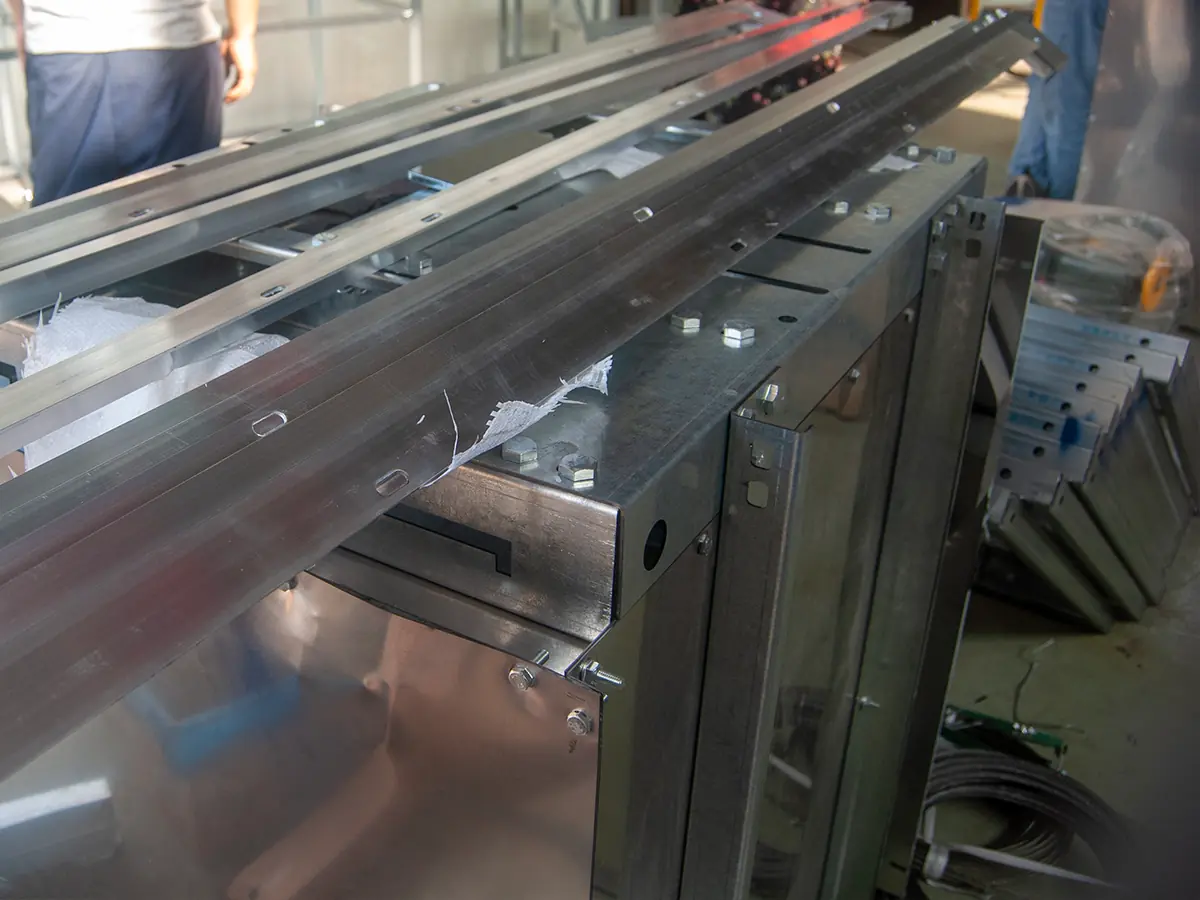
The short answer: a dumbwaiter selection guide is not a product list, it is a sequence of decisions. Four of them cannot be changed once the order is placed — where the lift goes, how much it carries, how many floors it serves, and how much shaft space the building can actually give up. Fix those four and the model chooses itself. Get them wrong and no amount of shopping afterwards will rescue the project.
This dumbwaiter selection guide walks the sequence in order: scenario, load, stops, shaft, drive, controls, budget. Each step closes with what it locks in, which is why price belongs at the end and not the beginning. If you are still working out what the equipment is even called, read the naming guide to food lift vs service lift vs dumbwaiter and the explanation of what a dumbwaiter elevator is first. This page assumes you can already name the machine and now have to choose one.
Table of Contents
- Why This Selection Order Matters
- Quick Answer: The Five Decisions
- The Order This Dumbwaiter Selection Guide Follows
- The Four Non-Passenger Lift Types
- Selection Comparison Table
- Step 1: Scenario First
- Step 2: Load and Car Size
- Step 3: Stops and Travel Height
- Step 4: Shaft, Door and Counterweight
- Step 5: Drive System
- Step 6: Safety and Controls
- Step 7: Budget and Cost Drivers
- Five Mistakes That Cost Money
- What to Send Before Asking for a Price
- How to Check a Supplier
- Conclusion
- Frequently Asked Questions
Introduction: Why a Dumbwaiter Selection Guide Is Decided in Order
This comprehensive dumbwaiter selection guide helps buyers understand the differences between dumbwaiters, food lifts, service lifts, and small freight elevators. When sourcing vertical transportation equipment for restaurants, hotels, office buildings, and multi-story residential buildings, most purchasers and construction workers struggle to distinguish dumbwaiter vs food lift comparison and lack a clear service lift benchmark based on industry standards.
Many industry practitioners use these four lift terms interchangeably and frequently confuse small freight elevator models with commercial food lifts and standard dumbwaiters, as classified by Elevator World.
Though these four types of vertical transport equipment belong to the non-passenger lift category in essence, they feature obvious differences in rated load capacity, cabin dimensions, official safety codes, installation requirements, and applicable scenarios. Choosing the wrong model will directly cause budget waste, insufficient bearing capacity, frequent equipment failures, or failure to pass official safety inspections.
This in-depth guide fully clarifies the core differences between dumbwaiters, food lifts, service lifts, and small freight lifts, helping commercial and residential project owners achieve accurate, cost-effective lift selection, per ASME A17.1 industry standards. That one clause shapes this entire dumbwaiter selection guide.
Quick Answer: The Five Decisions That Set Everything Else
If you only have two minutes, read this table. Every later question in a dumbwaiter selection guide — drive, controls, price — is downstream of these five, and each of them gets harder and more expensive to change the later it is settled. Scenario, load, stops and shaft are fixed by the building. Only the drive and the control package are still genuinely open once the shaft is signed off. Those five rows are the spine of this dumbwaiter selection guide.
| Decision | Why it comes this early | What it locks in | Covered in |
|---|---|---|---|
| 1. Scenario and duty | Food service, linen, documents and stock each impose different hygiene, frequency and loading requirements | Which of the four types you are even shopping for | Step 1 |
| 2. Load and car size | The car is the one part that has to fit the tray, the trolley and the doorway all at once | Machine power, frame size, shaft footprint | Step 2 |
| 3. Stops and travel height | Every extra landing adds doors, interlocks and call stations; travel height sets rope length and headroom | Drive sizing, cost curve, headroom requirement | Step 3 |
| 4. Shaft, door type, counterweight | This is the only step that touches the building itself and cannot be improvised on site | What can physically be installed | Step 4 |
| 5. Drive and controls | Both follow from load, travel and duty cycle, never the other way round | Running cost, maintenance profile, inspection scope | Steps 5–6 |
The Order to Decide Things In
Treat this dumbwaiter selection guide as a funnel: application scenario first, rated load second, operation frequency third, budget last. A model that fails an earlier step is removed before price is discussed. Applied in that order, a catalogue of thirty near-identical models collapses to two or three candidates — and the cheapest one is very often not among them. Reversed, the same dumbwaiter selection guide becomes a list of expensive corrections.
- What is being carried, and by whom (scenario and duty cycle)
- How much it weighs at the heaviest realistic moment (load)
- What has to fit inside the car (car size, not floor area)
- How many landings and how much travel (stops and height)
- What the building will allow (shaft, door type, counterweight side)
- How it will be driven and controlled (drive, safety package)
- What it all costs, once the first six are fixed (budget)
Buyers who reverse this order usually discover the problem at the drawing stage: a machine was priced for a two-stop, 100 kg car, but the building has four stops, a 250 kg trolley and a shaft that only accepts a rear counterweight. If the sequence above is the part you most want explained, our guide to dumbwaiter dimensions and car sizes is the companion page to this dumbwaiter selection guide.
The Four Non-Passenger Lift Types, Defined Briefly
All four lifts are strictly goods-only elevators and legally prohibited from carrying passengers. However, targeted design upgrades for different commercial and residential scenarios create completely different product positioning and performance parameters. Below are the authoritative definitions and core features of each model. This dumbwaiter selection guide works best read in sequence.
1. Dumbwaiter (General-Purpose Small Goods Lift)
A dumbwaiter is a compact, mini-sized goods-only elevator designed for transporting lightweight, small-volume items. It is the most basic and cost-effective model among the four categories. With a small cabin footprint and low rated load, it is widely used for simple inter-floor transmission of daily sundries, documents, and small supplies.
Complying with global elevator safety codes such as ASME A17.1, dumbwaiters are equipped with basic door interlock systems to prevent operational safety risks, with no passenger-carrying function reserved. For a compact property this is where a dumbwaiter selection guide usually starts.
Core Traits: Ultra-compact size, low load capacity, simple structure, easy installation, budget-friendly, suitable for low-frequency daily use.
2. Food Lift (Catering-Specific Lift)
A food lift is a specialized upgraded version of a standard dumbwaiter, exclusively customized for the catering and hospitality industry. In the dumbwaiter vs food lift comparison comparison, the biggest advantage of a food lift lies in its scenario-oriented optimization. It adopts 304 stainless steel cabin panels, oil-proof, waterproof, and easy-to-clean seamless structure, and hygienic rounded-corner design, fully adapting to kitchen oil fume, food residue, and high-cleanliness requirements.
It mainly transports dishes, beverages, tableware, and kitchen supplies. Hygiene, not load, is what pushes a food lift up a dumbwaiter selection guide.
Core Traits: Catering-dedicated, food-grade hygiene standard, oil-resistant and easy to maintain, high adaptability for restaurant and hotel kitchen scenarios.
3. Service Lift (Commercial Multi-Functional Goods Lift)
A service lift is a medium-sized commercial goods elevator positioned for full-scene commercial auxiliary transportation. From a professional service lift perspective, it upgrades the load capacity, cabin space, and driving system of ordinary dumbwaiters and food lifts. It supports high-frequency, long-duration operation and can undertake diversified transportation tasks including catering supplies, hotel linen, office materials, and cleaning sundries.
With complete safety configurations and stable operating performance, it meets the all-day operational needs of medium and large commercial buildings. Versatility is the second filter in this dumbwaiter selection guide.
Core Traits: Multi-scene compatibility, medium heavy load, stable commercial operation, high durability and low failure rate.
4. Small Freight Lift / Small Freight Elevator
A small freight elevator is a heavy-duty industrial and commercial goods elevator, serving as the heavy-load upgrade of medium-sized service lifts. Different from light commercial lifts, it adopts reinforced car frames, thickened guide rails, and high-power hydraulic or traction driving systems, with far higher structural strength and impact resistance.
It is specially developed for transporting heavy bulk goods, mechanical accessories, and warehouse stocks, covering the heavy-load transportation gap that dumbwaiters, food lifts, and ordinary service lifts cannot fill. Duty cycle closes the comparison in this dumbwaiter selection guide.
Core Traits: Super load-bearing capacity, reinforced industrial structure, high-frequency heavy-load resistance, suitable for warehouse, factory, and supermarket logistics scenarios.
That is the whole vocabulary you need to keep reading, and it is deliberately short. Depth on names, aliases and regional usage belongs on the naming page; depth on how these four sit alongside passenger and freight elevators belongs on our types of elevators overview. This dumbwaiter selection guide stays on the one question those pages do not answer: which of the four should you actually buy, in what order, and what does each step cost you if you get it wrong.
Selection Comparison Table: The Four Types Side by Side
| Comparison Dimension | Dumbwaiter | Food Lift | Service Lift | Small Freight Elevator |
Primary Application Scenarios | Private residences, small shops, offices; small sundries & document delivery | Restaurants, hotels, canteens; food, tableware & kitchen supply transportation | Medium & large hotels, commercial buildings; multi-type daily goods delivery | Factories, warehouses, supermarkets; heavy small-batch cargo transportation |
Rated Load Capacity | 20kg – 100kg | 50kg – 200kg | 100kg – 500kg | 500kg – 2000kg |
Cabin Features | Mini compact cabinet, ordinary protective material | Stainless steel hygienic cabin, oil-proof & easy-clean | Spacious flat floor cabin, convenient for loading | Reinforced thickened cabin, anti-impact structure |
Operation Frequency | Low to medium frequency (daily light use) | Medium high frequency (catering peak hours) | High frequency (all-day commercial operation) | Ultra-high frequency (continuous industrial & logistics use) |
Safety Standards & Compliance | Basic door interlock, residential & small commercial standard | Catering hygiene + basic lift safety double standard | Complete commercial safety configuration, anti-fall & overload protection | Industrial-grade safety system, heavy-load anti-impact protection |
Cost & Installation Considerations | Low cost, simple installation, small shaft occupation | Medium cost, professional catering customized installation | Medium-high cost, standard commercial installation | High cost, professional engineering installation required |
Read this table as a filter, not a datasheet. Two rows decide most projects before anything else is discussed: rated load capacity removes the types that cannot carry your heaviest item, and operation frequency removes the types that will be worn out by your daily cycle. The remaining rows then separate two candidates that survived both filters. That is the filter logic this dumbwaiter selection guide is built on.
If your load sits above roughly 250 kg, the load row alone will push you out of dumbwaiter territory, and the car size and shaft guide will confirm it with real numbers — and everything after this table is the working part of this dumbwaiter selection guide.
Step 1: Start From the Scenario, Not the Catalogue
When a Standard Dumbwaiter Beats a Food Lift
The core gap in the dumbwaiter vs food lift comparison comparison lies in scenario specialization and material applicability. Standard dumbwaiters are universal light-duty lifts with ordinary surface materials, which cannot resist oil pollution and are difficult to clean. They are only suitable for clean and dry small-item transportation scenarios. Where that line falls is the first question any dumbwaiter selection guide has to settle. That limit is the first fork in this dumbwaiter selection guide.
In contrast, food lifts are fully optimized for catering environments. The food-grade stainless steel cabin avoids oil stain accumulation, and the seamless no-dead-angle design meets daily high-standard cleaning needs. For hotel and restaurant kitchen renovation projects, a professional food lift is a must to pass hygiene and safety inspections; for household and clean small-space use, a regular dumbwaiter is more cost-effective.
When a Food Lift Beats a Service Lift
Professional service lift shows that service lifts completely outperform dumbwaiters and food lifts in versatility and durability. Dumbwaiters and food lifts have single transportation functions and limited load capacity, which cannot meet the mixed transportation of multiple types of goods in complex commercial scenarios. Load range is the next fork in this dumbwaiter selection guide.
Service lifts adopt mature traction or hydraulic driving systems, with larger cabin space and stronger overload resistance. They can flexibly adapt to the mixed delivery of catering supplies, hotel linen, office supplies, and property maintenance materials, becoming the mainstream vertical transportation solution for medium and large commercial buildings. This is the point at which a dumbwaiter selection guide stops recommending a food lift.
When a Service Lift Beats a Small Freight Elevator
Most project owners confuse service lifts with small freight elevator models, but their design positioning is fundamentally different. Service lifts belong to commercial auxiliary equipment, focusing on light and medium daily goods transportation with limited structural load-bearing limits. Duty cycle is the last fork in this dumbwaiter selection guide.
Small freight elevators are industrial-grade cargo transportation equipment. All key load-bearing structures are thickened and reinforced, which can withstand long-term heavy-load operation and cargo impact. They are specially used for factory material handling, warehouse stock sorting, and supermarket goods replenishment, solving the heavy transportation pain points that commercial service lifts cannot handle. Past this boundary the dumbwaiter selection guide hands the project over to freight equipment.
Any lift still standing after these three steps belongs on a shortlist, and that is the whole purpose of a dumbwaiter selection guide.
Where Each Type Wins: The Scenario Decision
Scenario is the first filter because it is the only one that decides the category rather than the model. Answer the four lines below honestly — including the awkward one about how often the lift will run — and you will usually find one clear winner. A restaurant that serves three meals a day is not the same buyer as a home that moves a tray twice a week, even when both want a 100 kg car. Scenario is the first gate in this dumbwaiter selection guide for precisely that reason.
- When to Choose a Dumbwaiter: Multi-story private houses, small cafes, convenience stores, and small offices with limited budget and installation space, only needing low-frequency transmission of light small items.
- When to Choose a Food Lift: Chinese and Western restaurants, star hotels, enterprise staff canteens, and catering projects that require long-term standardized food delivery and strict hygiene management.
- When to Choose a Service Lift: Medium and large hotels, office buildings, shopping malls, and comprehensive commercial buildings that need multi-scene and high-frequency mixed goods transportation.
- When to Choose a Small Freight Elevator: Small processing factories, storage warehouses, logistics distribution rooms, and supermarket stock rooms with frequent heavy-load cargo transportation demands.
Step 2: Size the Load and the Car Before Anything Else
The load figure buyers quote and the load figure the project actually needs are rarely the same number. The useful question is not “how much does one tray weigh” but “what is the heaviest thing that will realistically be inside this car at one time” — including the trolley it arrives on, not just its contents. Then add margin, because the day someone loads two crates instead of one is the day a lift sized to the gram starts refusing work.
Our guide to load capacity for restaurant dumbwaiters works through that calculation in detail. Getting that number right is the second gate in this dumbwaiter selection guide.
Car size and load move together, but not in the way most buyers expect. A car wide enough for a serving trolley may be rated lower than a narrower car built for dense items, because the limit is the machine and the frame, not the volume. Below are the standard car bodies we build, with the rated load and motor each one is paired with — a real specification table rather than a market range — these are the car bodies this dumbwaiter selection guide steers most projects towards.
| Car body (W×D×H) | Rated load | Motor | What normally fits | Typical use |
|---|---|---|---|---|
| 60 × 60 × 80 cm | 100 kg | 0.75 kW | 2–3 trays, small parcels, document boxes | Home, café, clinic, small office |
| 70 × 70 × 80 cm | 100 kg | 0.75 kW | 3–4 trays, stacked plate carriers | Small restaurant, guesthouse pantry |
| 80 × 80 × 100 cm | 200 kg | 1.1 kW | 5–6 trays or one small trolley | Restaurant, staff canteen, hotel pantry |
| 80 × 80 × 120 cm | 200 kg | 1.1 kW | Tall items, tall stacked trays, bins | Hotel kitchen, food court |
| 100 × 100 × 120 cm | 250 kg | 1.5 kW | Bulk trays, crates, small linen cart | Hotel, supermarket back-of-house, canteen |
Note that the ranges in the comparison table earlier on this page describe market positioning, not a legal cutoff. A 250 kg car is still a dumbwaiter by definition, it is simply a large one. Above this point, though, the structure needed to carry the load safely stops being a dumbwaiter structure, and the honest answer is a larger goods-only lift — which is exactly where our comparison of elevator types picks the conversation back up. Above that point the dumbwaiter selection guide has done its job and the decision belongs to a different category of equipment.
Step 3: Count Stops and Measure Travel Height
Two numbers drive more of the final price than any other pair on this page: the number of landings the lift serves, and the total travel between the lowest and the highest landing. Stops multiply work — every landing needs a door, an interlock, a call station and a finished opening — while travel height changes the rope, the guide rails, the number of frame sections and the headroom the machine needs above the top landing. It is also the most under-reported figure in any dumbwaiter selection guide.
Measure travel as the vertical distance from the lowest landing floor to the highest landing floor, not the building height and not the ceiling of the top floor. Headroom above the top landing and any pit or floor recess below the lowest landing both come out of the same measurement, and both have to be checked before a machine can be selected.
Skipping that measurement is the single most common reason a project stalls between quotation and drawing; the sequence itself is set out in our dumbwaiter installation guide. A wrong travel figure cannot be repaired after the machine is ordered, and no dumbwaiter selection guide can design around it.
- Two stops — the simplest configuration. Most drive options remain open and the shaft is usually the smallest of any variant.
- Three or four stops — each landing adds a door set, an interlock and a station, and machines start being selected for travel rather than only for load.
- Five stops and above — traction drive becomes the normal answer, and the headroom and shaft continuity checks matter far more than the car size. At that point duty cycle, not load, becomes the number this dumbwaiter selection guide turns on.
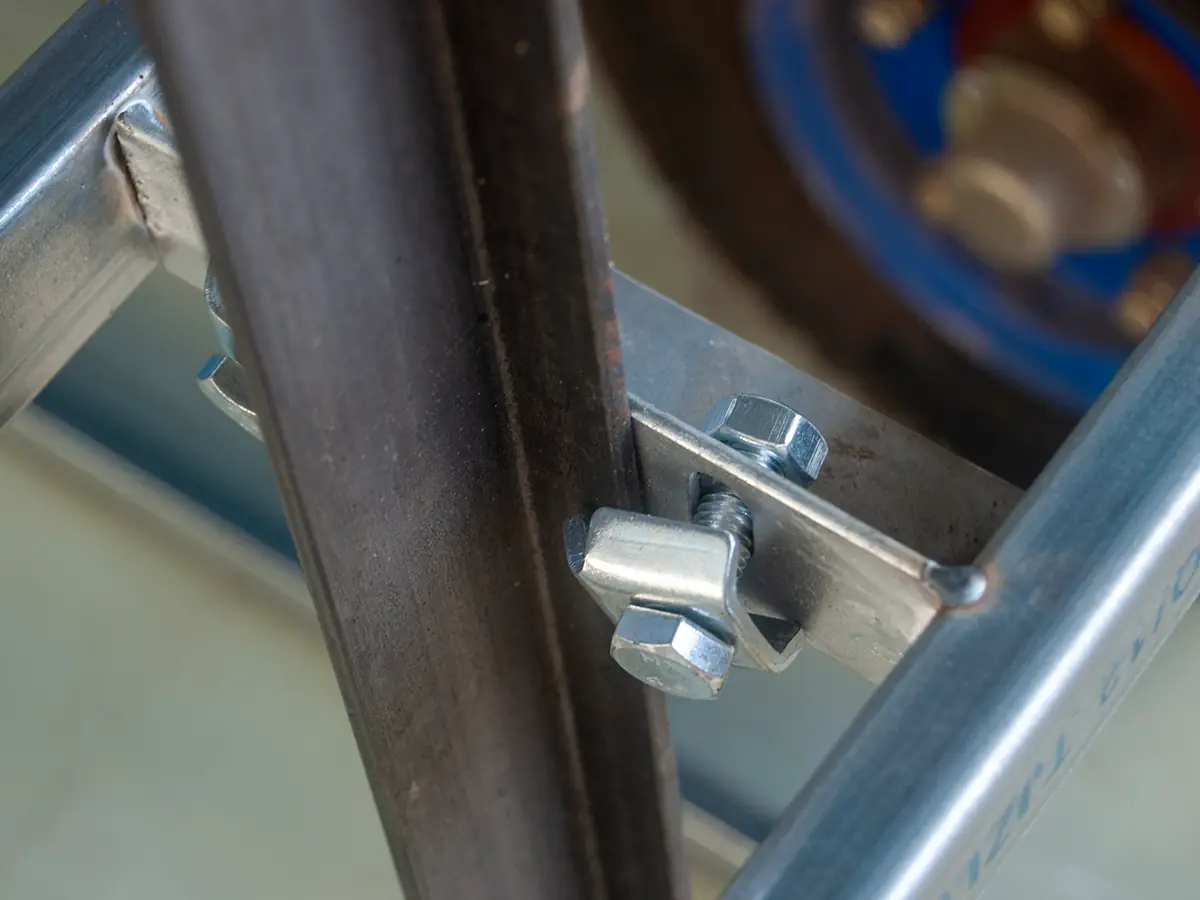
Step 4: Match the Shaft, the Door Type and the Counterweight Layout
This is the step that involves the building rather than the catalogue, and the one where a decision made on site without a drawing costs the most to undo. Three choices sit here: how the car is loaded (door type), where the counterweight runs, and whether the shaft exists yet or still has to be formed. It is also the step where this dumbwaiter selection guide stops being a reading exercise and becomes a drawing.
| Loading arrangement | How it works | Best for | Watch out for |
|---|---|---|---|
| Counter-level (window / hatch) | The car serves a wall opening at counter height; staff slide trays across | Restaurants, cafés, homes, retrofit into an existing wall | Trays are still handled by hand at both ends — not trolley access |
| Floor-level (landing doors) | Car floor lines up with the building floor, doors open onto the landing | Hotels, hospitals, canteens, anywhere a trolley rolls in | Needs clear landing space in front of the door |
| Through / pass-through car | Doors on two opposite sides: dirty goods in one side, out the other | Hospitals, central kitchens, clean-and-dirty separation | Larger shaft and two door sets to maintain |
| Corner (two adjacent sides) | Doors on adjacent faces to follow an L-shaped traffic route | Tight plans that cannot spare a straight run | Frame and car design are less standard |
Counterweight layout follows the shaft, not your preference. A side counterweight uses a slimmer shaft depth but needs extra width, while a rear counterweight keeps the car footprint compact at the cost of shaft depth behind the car. Whichever way the shaft already runs is normally the cheaper answer, and the trade-off is set out in our comparison of side counterweight and rear counterweight dumbwaiters. Counterweight side is the one item in this dumbwaiter selection guide that the building, rather than the buyer, usually decides.
If your shaft is a drawn rectangle rather than a built one, start from the construction sketch drawings and give the builder those dimensions instead of designing the shaft twice. Shaft drawings are the deliverable that turns this dumbwaiter selection guide into an order.


Step 5: Choose the Drive System
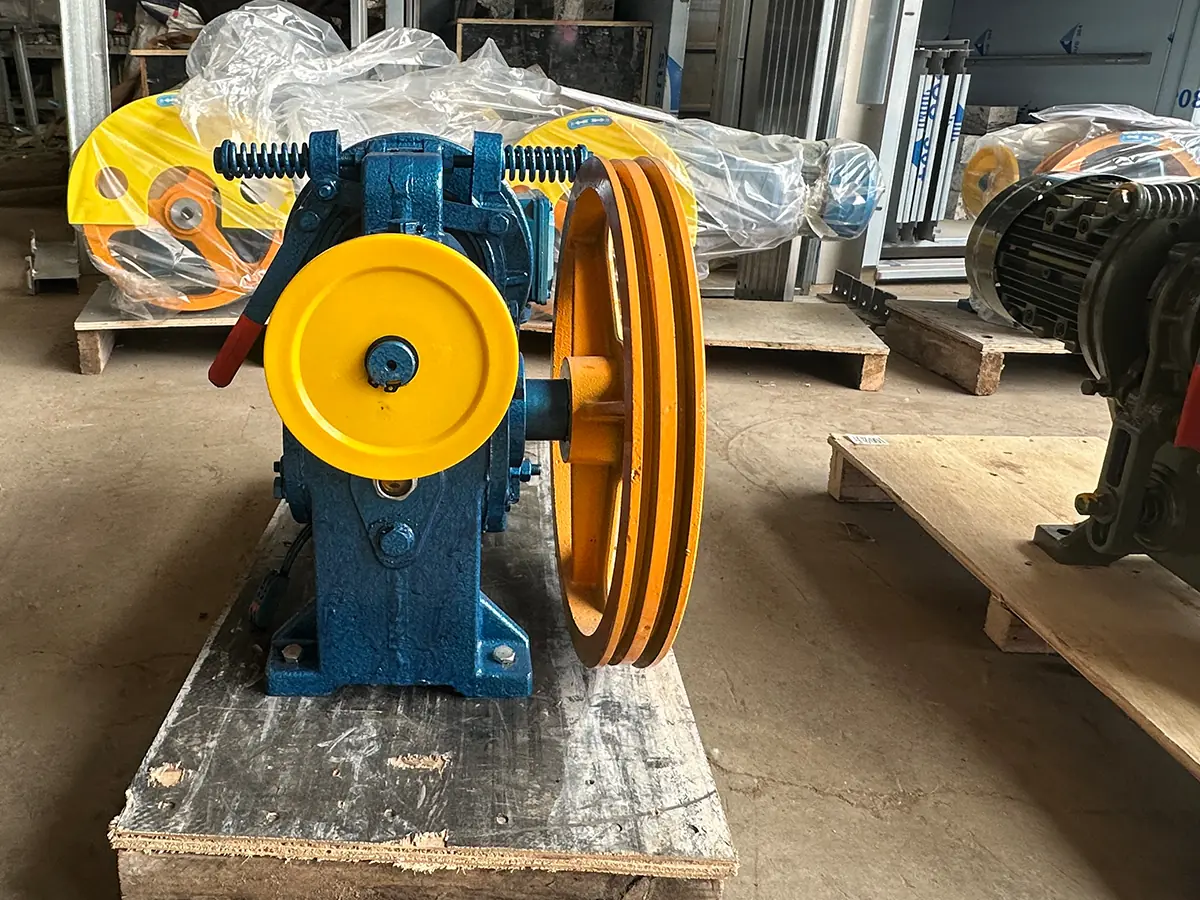
Drive is the first genuinely reversible-looking decision and it is not reversible in practice: once the shaft and the machine are built around one system, changing to another means rebuilding. It also should not be chosen first, because travel height and duty cycle decide it far more than personal preference does. This is the step in a dumbwaiter selection guide where a specification finally becomes a machine.
| Drive | Comes into its own when | Weakest point | Running cost profile |
|---|---|---|---|
| Traction | Travel is longer, stops are more numerous, and the lift runs frequently all day | Costs more up front than the alternatives at very short travel | Lowest per trip; the standard choice for commercial kitchens |
| Hydraulic | Short travel with a heavy car, typically in low-rise buildings | Slower, and the power unit takes up space | Higher than traction, and heat build-up limits continuous use |
| Screw | The shaft is very compact and the building is domestic | Travel and load both stay low | Simple and cheap to keep running within its small envelope |
If your project sits between two systems, the tie-breaker is almost always the number of stops from the previous step rather than the load. The full technical comparison, including how each drive handles leveling and what each one asks of the building, is on the traction vs hydraulic vs screw drive page. For the commercial projects this dumbwaiter selection guide is written for, traction is the default answer.
Note also that the drive decision, once made, is the point at which a supplier can finally give you a firm machine specification rather than a range. A dumbwaiter selection guide is only worth following if it reaches that point.
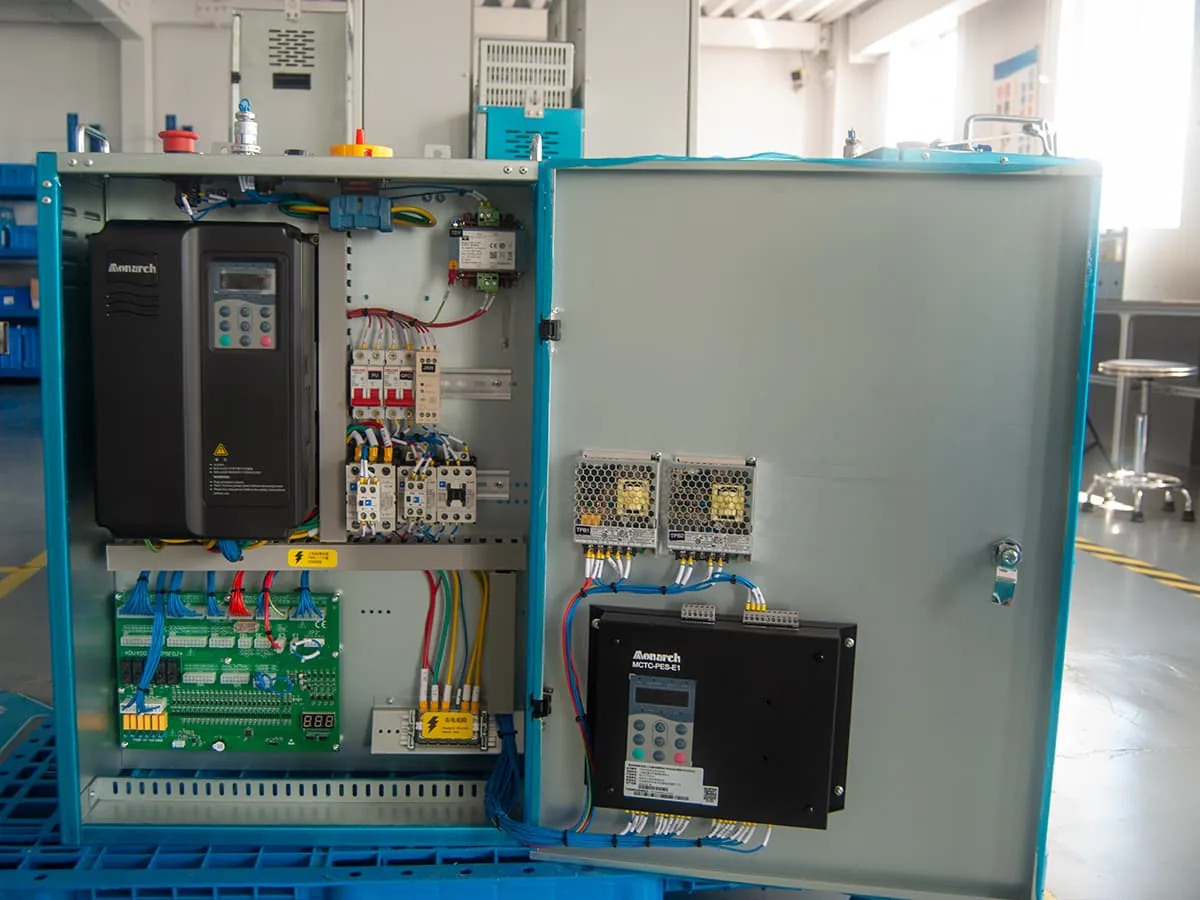
Step 6: Specify the Safety and Control Package Before You Compare Prices
Safety items are where quotations for the same car stop being comparable. Two suppliers can quote the same 200 kg, four-stop machine and deliver very different equipment, because the difference lives in the list below. Ask for each line to be confirmed in writing on the quotation rather than trusting that it is included — this is the section of a dumbwaiter selection guide that buyers read last and inspectors read first:
- Door interlock and gate switch — the lift must not run with an opening unsecured
- Slack-rope or broken-suspension detection, plus final limit switches on both ends of travel
- Overload protection, so the machine refuses rather than strains
- Emergency stop and alarm at each landing, with a car light and an accessible release
- Call, send and leveling logic — how the car parks, answers calls and aligns with each floor
- Marking and documentation — CE marking for European projects, with the declaration and test report supplied
For European destinations the framework is the EU Lifts Directive and the harmonised EN 81 series, with EN 81-31 covering goods-only lifts of exactly this category; the European Commission lifts page and the CEN lifts sector both publish the current framework, and the UK HSE lift guidance is a useful second opinion on what an inspector looks for. North American projects sit under the ASME A17.1 family instead; whichever framework applies to you, the list above is what this dumbwaiter selection guide expects to see itemised on the quotation.
Whichever applies to you, the practical checklist for what these systems must actually do on a live installation is covered in our note on dumbwaiter safety, and the ongoing side of it in the maintenance guide. A dumbwaiter selection guide that stops at the machine leaves half of the obligation unassigned.
Step 7: Treat Budget as a Result, Not an Input
By the time you reach budget, six decisions have already been made, and each one has a price attached that no negotiation can remove. This is why a dumbwaiter selection guide puts cost here: a “cheaper” quote that changes any of the six rows below is not a cheaper project, it is a different project. Treating cost as a result rather than an input is the discipline this whole dumbwaiter selection guide is built around.
| Cost driver | Why it moves the price | Can it be changed later? |
|---|---|---|
| Number of stops | Each landing adds a door set, an interlock, a call station and a finished opening | No |
| Travel height | Longer travel means more rope, more rail sections and a different machine | No |
| Car size and rated load | Bigger cars need a larger frame and a more powerful machine | No |
| Hygiene and finish specification | 304 stainless surfaces and sealed, easy-clean joints are material plus labour | Partly, if the car has not been built |
| Drive system | Machine, shaft works and, for hydraulic, additional plant space | No |
| Controls and safety extras | Additional monitoring, alarm and access hardware | Yes, but expensive once installed |
| Packing and shipping | Volume, weight and destination port | No |
Because two of these drivers are structural, “can you do it cheaper” is usually answered by changing the specification rather than the margin. The practical way to read a quotation is line by line against this table, and the dumbwaiter price guide explains what each line covers, while the installation cost breakdown covers the site side that is normally not in the machine price at all. Landed cost, not machine price, is the number this dumbwaiter selection guide is trying to get you to.
Five Mistakes That Cost Money After the Order
- Sizing the car to today’s tray. Trolleys and tray standards change. One size up costs a little now and saves a replacement later.
- Choosing the drive before counting the stops. Drive follows travel and duty cycle, not the other way round.
- Letting the builder design the shaft alone. Shaft dimensions and clearances have to come from drawings issued for that machine.
- Forgetting the unloading side. Where the trolley stands when the door opens, and where the counterweight runs, decide the real shaft footprint.
- Comparing machine prices across different safety packages. Two quotes that differ in door interlocks or overload protection are not the same offer.
The first four mistakes all surface at the drawing stage, which is the cheapest moment to catch them. The fifth surfaces at commissioning. Both are covered from the buyer’s side in our guide to choosing a dumbwaiter that is not from one of the big elevator companies, which also explains why a smaller specialist can issue drawings faster than a large group can open a project file. Both halves of that comparison belong in any honest dumbwaiter selection guide.
What to Send a Supplier Before You Ask for a Price
At this point you can stop reading and start asking. Send these items and a specialist can come back with a type, a car size and a drawing rather than a generic catalogue page. Missing any of the first six is why quotations arrive as wide ranges instead of a specification. This list is the part of a dumbwaiter selection guide you actually send to somebody.
- Shaft position on a floor plan, or a hand sketch with the opening marked
- Number of stops and total travel height, measured floor to floor
- Headroom above the top landing and any pit or recess below the lowest landing
- Required net door opening width and the loading arrangement (counter-level or floor-level)
- Rated load needed, and the heaviest item plus its trolley or crate
- The eight or nine items that are actually being carried, with rough sizes
- Power supply: voltage, phase and frequency at the site
- Destination port or delivery address, and any local inspection requirement
- Finish preference — painted, stainless, or stainless inside only
With those nine items in hand, a manufacturer can commit to a configuration instead of hedging. Two of the three most-asked sourcing questions — who we are as a factory and how we compare with large groups — are answered on our profile as a dumbwaiter manufacturer in China and on the China dumbwaiter factory page. Then send the list straight to us through the contact form, and the reply will be a drawing with dimensions on it rather than a price range. At that stage the dumbwaiter selection guide has done its work and the project becomes an engineering job.
How to Check a Supplier Before You Commit
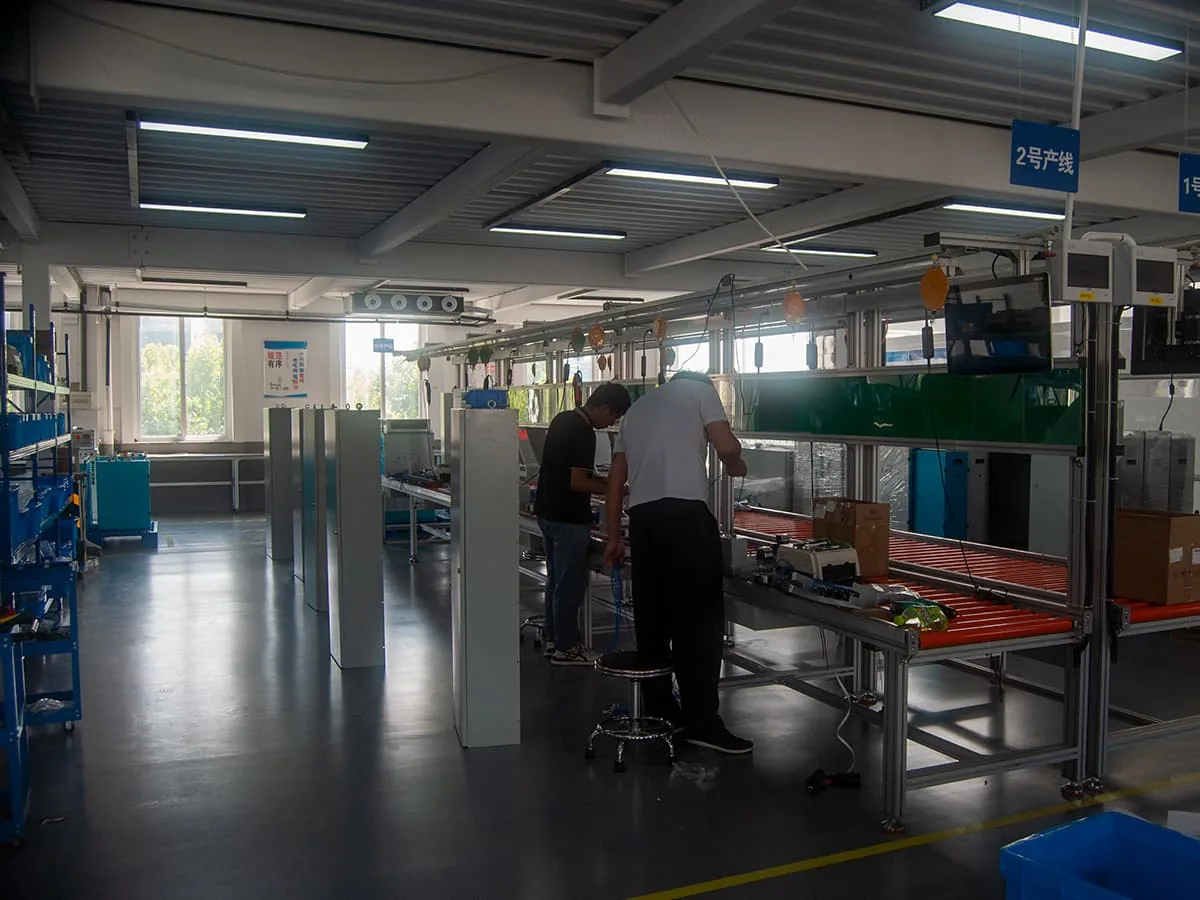
A specification is only worth what the supplier can actually deliver, and by the time you have a chosen configuration there are five requests that separate a real manufacturer from a trading page. None of them should cost you anything to ask for — this is the point in a dumbwaiter selection guide where paperwork matters more than the catalogue:
- Drawings for your shaft, with dimensions and clearances, issued before deposit
- A declaration of conformity and a test report for the model being offered
- A spare parts list with prices, so you know the lift is serviceable in year five
- Two or three installed references in your region, or in a comparable building type
- A clear answer on who commissions the unit and what documentation comes with it
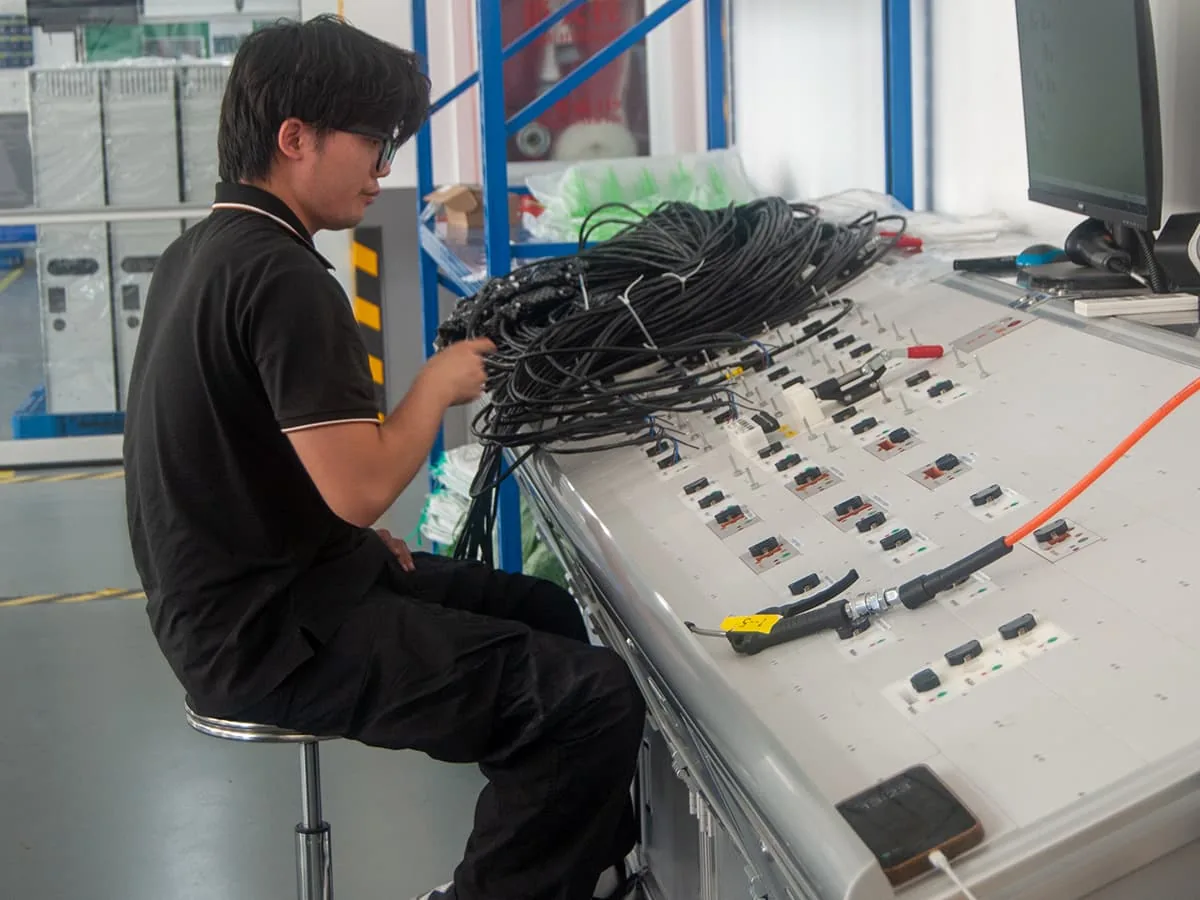
That last point matters more than buyers expect: a lift that arrives without commissioning support becomes the building owner’s problem. The verification process, including what to look for in a factory video and how to check a claimed capacity, is set out in our guide to verifying a dumbwaiter supplier, and the import side of the same question in importing a dumbwaiter from China. Verification closes this dumbwaiter selection guide for a good reason: it is the step that protects the first six.
Conclusion
To sum up, dumbwaiters, food lifts, service lifts, and small freight elevator products share the same non-passenger lift essence but have clear differentiated positioning in actual engineering applications. The dumbwaiter vs food lift comparison distinction focuses on catering hygiene and scenario specialization; service lift reflects the performance gap between single-function light lifts and multi-functional commercial lifts; small freight elevators fill the market gap of medium and small heavy-load vertical transportation. Read in the order above, a dumbwaiter selection guide turns those four positions into one recommendation.
Reasonable selection based on actual load demand, application scenario, and operation frequency can effectively avoid safety inspection failures and budget waste, maximizing the operational efficiency and service life of vertical transportation equipment. Applied in that order, a dumbwaiter selection guide turns a confusing catalogue into one clear answer.
FAQ: Dumbwaiter Selection Guide Questions
Is a dumbwaiter selection guide different for hotels and factories?
Yes. A hotel or restaurant normally needs food-grade stainless steel and hygiene compliance, so a dumbwaiter selection guide for that sector points to food lifts. A factory handling palletised stock will not be served by any of the four light types, and the dumbwaiter selection guide moves straight to freight equipment.
How many lift types does this dumbwaiter selection guide cover?
Four: the dumbwaiter, the food lift, the service lift, and the small freight elevator. They share the same non-passenger legal status, which is exactly why a dumbwaiter selection guide has to separate them by scenario and load.
Can a dumbwaiter selection guide replace a site survey?
No. A written dumbwaiter selection guide narrows the type and the load range, but shaft dimensions, headroom and door position still have to be measured on site before any unit is ordered.
Do I need to decide the drive system before using a dumbwaiter selection guide?
Decide it after. Type and load come first, then the drive. Traction suits higher travel and frequent use, hydraulic suits heavier short-travel loads, and screw drive suits compact residential shafts, so the dumbwaiter selection guide only fixes the drive once the first three questions are answered.
What size dumbwaiter do I need for a restaurant?
Work backwards from the tray and the person carrying it, not from the number of covers. A restaurant running standard trays usually lands on a 70–80 cm wide car rated at 100–200 kg; a kitchen that sends food out on a trolley needs floor-level loading and a car wide enough for the trolley wheels, which normally means 80 cm or more plus a landing that can take the trolley.
Serving three meals a day also means the lift is running far more often than a domestic one, so duty cycle rather than load becomes the deciding number. That switch is the single most useful thing this dumbwaiter selection guide can tell a restaurant buyer.
Should I choose a counter-level or a floor-level dumbwaiter?
Choose counter-level when staff are already standing at a counter at both ends and will slide trays across; it is cheaper, needs a smaller opening and retrofits into existing walls easily. Choose floor-level when anything has to roll in on wheels, when the car serves a hospital or hotel corridor, or when the load is too heavy to lift by hand at counter height.
If the answer is “both” — a trolley in the kitchen, a counter on the upper floor — the car can be built with a floor-level landing at one end and a counter-level opening at the other, and that combination should be stated when you request a price.
Naming it at enquiry stage is exactly what this dumbwaiter selection guide is for.
ServLifts builds only dumbwaiter-type equipment and does not produce passenger elevators, escalators or freight lifts. Drawings and specifications are published openly, which helps buyers who are working through a dumbwaiter selection guide without a global brand requirement. See the dumbwaiter range, or send the nine-item list above through the contact page and we will answer with a drawing rather than a catalogue.
[…] is specifying the project. Where the categories genuinely diverge is in the hardware, which our dumbwaiter differences guide breaks […]
[…] actionable in a single conversation, and it sits alongside the commercial decisions covered in the dumbwaiter selection guide. These are the eight questions that separate a supplier who understands dumbwaiter regulations from […]
[…] you want the wider picture before deciding, our dumbwaiter selection guide works through capacity, car size and drive layout in the order they should be decided. Taken […]
[…] If you are unsure which side of the line your project falls on, the deciding test is whether anyone will ever step inside the car to load or unload it, and whether the heaviest item is a tray or a pallet. Those two answers settle it. For the detailed comparison, including the load and application differences, see what a dumbwaiter is and how it differs from a general elevator and the guide to choosing the right dumbwaiter for a project. […]