Welcome to ServLifts Official Website

Dumbwaiter Not From Big Elevator Companies: Best Alternatives for Small Projects-2026

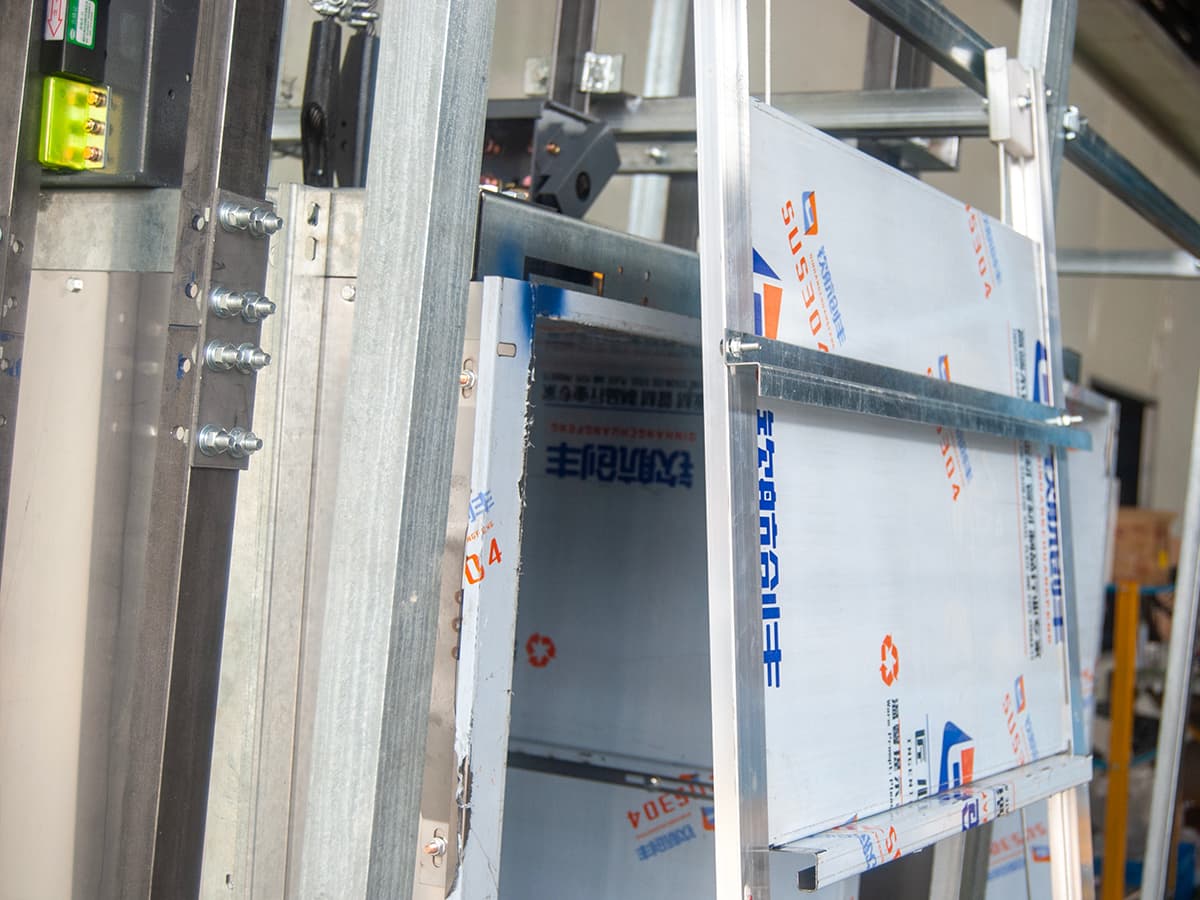
Not every restaurant, small hotel, or cafe needs a dumbwaiter from a multi-billion-dollar elevator conglomerate. In fact, for most small and mid-size projects, going with a big-brand dumbwaiter can feel like ordering a cruise ship when all you needed was a fishing boat. If you are looking for a dumbwaiter not from big elevator companies like OTIS, Hitachi, or Hyundai, you are not alone — and there are excellent alternatives worth considering. This guide helps you understand when a big-brand dumbwaiter is overkill and how to find the right professional alternative for your small project, following ASME A17.1 standards.
Why Small Projects Get Lost at Big Elevator Companies
Major elevator brands are engineering powerhouses. OTIS moves millions of people daily across skyscrapers and airports. Hitachi builds some of the fastest high-rise elevators in the world. Hyundai Elevator is a dominant force across Asia. These companies have earned their reputations — but that reputation was built on passenger elevators, freight elevators, and large-scale commercial contracts, not on single-unit dumbwaiter orders for a 40-seat restaurant.
Here is what typically happens when a small project approaches a big-brand dumbwaiter sales channel:
Price inflation. The dumbwaiter elevator cost from a major brand is often 2–3 times that of a specialized manufacturer. This is not because the product is 2–3 times better. It is because the overhead of a global elevator corporation — regional offices, brand licensing, multi-tier distribution — is baked into every quote. A traction dumbwaiter that might cost $2,500–$4,000 from a professional manufacturer could easily reach $7,000–$10,000 from a big brand.
Lead times that do not fit your timeline. Big brands operate on project cycles measured in months or years. A 12–16 week lead time is standard, and some configurations push past 20 weeks. For a restaurant owner who signed a lease and needs to open in 8 weeks, that timeline simply does not work. Professional dumbwaiter manufacturers can often deliver in 4–8 weeks.
Low project priority. A single dumbwaiter for a small restaurant or boutique hotel is a rounding error on a major elevator company’s order book. Their engineering teams, project managers, and after-sales resources are deployed where the revenue is — on multi-unit passenger elevator contracts and large freight installations. When you call for support, you compete for attention with clients spending ten or fifty times what you are spending.
Outsourced installation and service. Many large brands rely on local dealer networks for installation and after-sales. The dealer who shows up to install your dumbwaiter may have never touched that specific product line before. They are generalists trained on passenger elevators, not specialists in small service lifts. This can lead to installation delays, configuration errors, and service gaps.
None of this means big brands make bad products. They do not. It means their business model — optimized for scale, not specialization — creates predictable friction for small dumbwaiter projects. Understanding this is the first step toward finding a better alternative, as tracked by Elevator World industry trends.
What Makes a Good Alternative to Big-Brand Dumbwaiters
When you are looking for an alternative to a big brand dumbwaiter, you are not looking for a discount version of the same thing. You are looking for a supplier whose business model actually fits your project scale. Here are the criteria that matter most:
Dumbwaiters are their main business, not a side product. A company that builds only dumbwaiters and small freight lifts will know the product inside and out. Their engineering team works on this every day. Their sales team can answer detailed technical questions without routing you through three departments. Their spare parts inventory is actually stocked, not ordered on demand.
Factory-direct pricing. Without layers of distributors, regional offices, and brand licensing fees, professional manufacturers can offer significantly lower prices. The savings are not from cutting corners on quality — they come from cutting out the middlemen. A factory-direct dumbwaiter supplier gives you manufacturer pricing with direct accountability.
Reasonable lead times. When a factory only produces dumbwaiters, their production line is optimized for those products. Standard configurations can ship in 4–8 weeks rather than 12–16. For a restaurant or hotel project on a construction timeline, that difference is everything.
Dedicated project attention. Your single dumbwaiter order is important to a specialized manufacturer. It is not competing with a $500,000 elevator contract for attention. The engineer who designs your shaft layout, the technician who tests your control panel, and the support person who answers your call — they are all focused on dumbwaiters, all day.
Flexible customization. Big brands often have rigid product catalogs with limited customization options. Professional manufacturers are more willing to adapt: custom car sizes, non-standard voltages, specific door configurations, unique color finishes. For buildings with unusual shaft dimensions or specific aesthetic requirements, this flexibility matters.
Global export experience. If you are importing a dumbwaiter from another country, experience with international logistics, export documentation, and compliance certification is critical. We have written up how the high-quality dumbwaiter manufacturers worldwide handle that side of the business. A supplier that regularly ships to Southeast Asia, Africa, the Middle East, and Latin America will have established logistics partners and understand customs requirements.
Professional Dumbwaiter Brands Worth Considering
There is no single best alternative to big brand dumbwaiters — the right choice depends on your location, budget, and project requirements. Here are some options to consider.
ServLifts — Traction Dumbwaiter Specialist
ServLifts is a professional dumbwaiter manufacturer based in Suzhou, Jiangsu, China — part of the Yangtze River Delta region that produces 65% of China’s elevator output and nearly 45% of the world’s total. Operating its own assembly facility with an integrated manufacturing and trading model, ServLifts focuses exclusively on traction-type dumbwaiters for Food Lift, Pantry Lift, Laundry Dumbwaiter, Document Dumbwaiter, Hospital Service Dumbwaiter, and Residential Dumbwaiter applications.
Because dumbwaiters are their main business — not a side product line — ServLifts is built for small and mid-size projects that big elevator companies often deprioritize. They serve markets across Southeast Asia, South Asia, the Middle East, Africa, Latin America, and Eastern Europe, with factory-direct pricing that avoids multi-tier distributor markups.
Key advantages include short lead times (standard models ship in 15–25 working days), CE-certified products, free CAD shaft installation drawings, customizable voltage (220V/380V), and 12-month warranty with lifetime remote technical support. For a restaurant, hotel, or small business looking for a reliable and affordable dumbwaiter, ServLifts represents a practical alternative. Visit servlifts.com to explore their product range and contact their team for a quotation.
Turkish Dumbwaiter Manufacturers
Turkey has emerged as a competitive source for commercial dumbwaiters, particularly for markets in Europe, the Middle East, and North Africa. Turkish manufacturers benefit from the country’s position at the intersection of European and Asian supply chains, and many offer CE-certified products at price points below Western European suppliers. Lead times are generally competitive, and proximity to European and Middle Eastern markets reduces shipping costs and transit time. For buyers in these regions, Turkish brands offer a compelling middle-ground option between big global brands and Asian manufacturers. If you want the full picture, our global dumbwaiter elevator brands breakdown lines up the international giants against niche specialists.
North American Independent Manufacturers
In the United States and Canada, several independent manufacturers serve the niche dumbwaiter market for restaurants, offices, and residential projects. These companies typically focus on the North American market with local installation and service networks. Pricing is higher than factory-direct imports from Asia or Turkey, but buyers benefit from domestic support, faster turnaround for spare parts, and familiarity with local building codes and regulations.
European Service Lift Specialists
In Europe, smaller brands in Germany, the UK, and Italy offer specialized service lifts and microlifts for commercial kitchens, hotels, and residential applications. These products command premium pricing but deliver strong build quality, full CE compliance, and local service networks. For European buyers who prioritize local support and faster installation over lowest cost, these specialists are worth considering.
How to Compare and Choose the Right Alternative
Once you have decided not to go with a big-brand dumbwaiter, comparing alternatives becomes straightforward. Focus on these factors:
Load capacity (kg). Most restaurant dumbwaiters need 100–250 kg. Hotels handling laundry may need 200–300 kg. Confirm the maximum weight you need to move before comparing quotes.
Drive system. Traction (electric) dumbwaiters are the standard for frequent commercial use. Hydraulic systems are powerful but slower and higher-maintenance. Screw-drive units are budget-friendly but only suitable for light, occasional residential use. For restaurants and hotels, traction is almost always the right choice.
Shaft dimensions. Measure your available space first. Some models need as little as 800 mm × 800 mm. Others require more. Retrofitting into an existing building means your available shaft space may limit your options.
Certification and compliance. Ask for compliance certificates relevant to your country. CE marking is essential for most international markets. Confirm that the supplier can provide the necessary documentation for customs clearance and local regulatory approval.
Installation support. Does the supplier provide detailed installation drawings? Is remote technical support available during installation? Do they have experience with projects in your country? These questions matter more than the brand name on the control panel.
After-sales and spare parts. A 12-month warranty is standard. Ask about spare parts availability in your region, recommended service intervals, and whether the supplier can ship replacement parts quickly. A well-supported professional brand can outperform a big brand with weak local service.
Making the Right Decision for Your Project
Choosing a dumbwaiter not from big elevator companies does not mean compromising on quality. It means choosing a supplier whose business model actually matches your project size.
If you are running a small restaurant, a boutique hotel, a cafe, or a private residence, you probably do not need OTIS, Hitachi, or Hyundai. What you need is a reliable traction dumbwaiter at a fair price, delivered on a reasonable timeline, with support from people who actually care about your project. Professional manufacturers like ServLifts exist precisely to fill this gap in the market. If you want the shortlist first, our roundup of the best dumbwaiter elevator brands compares the serious options side by side.
The key is not which brand name is on the door frame. It is whether the product arrives on time, installs correctly, operates reliably, and comes with responsive support when you need it. Professional dumbwaiter specialists deliver on all four counts — often better than their big-brand counterparts, for a fraction of the cost.
If you are looking for a practical alternative to big elevator brands, explore what ServLifts offers at servlifts.com. Their team can provide specifications, pricing, and installation guidance tailored to your project requirements.
[…] Note: Equipment costs are separate — see our dumbwaiter price guide for a full breakdown. The figures above cover the installation work only: shaft preparation, mechanical fitting, electrical connection, and commissioning. Big-brand installations (OTIS, Hitachi, Hyundai) tend toward the upper end of these ranges; specialized manufacturers like ServLifts can often complete the same scope more efficiently because their teams work exclusively on dumbwaiters rather than splitting time across passenger elevator projects. For a comparison of working with big brands versus specialists, read our guide on alternatives to big elevator company dumbwaiters. […]
[…] is available from specialized Chinese manufacturers at a fraction of the cost. Our article on alternatives to big elevator brands walks through the full […]
[…] When comparing quotes, ask about the motor control type and duty rating, not just the price. A traction dumbwaiter with a VVVF continuous-duty motor will outlast and outperform a cheaper unit with a basic relay control. For pricing context, see our dumbwaiter price guide, and for brand context, our comparison of big-brand vs specialized manufacturers. […]
[…] comparando nuestra propuesta con la línea secundaria de una marca global, nuestra página sobre comprar fuera de las grandes marcas expone las contrapartidas con honestidad (en inglés). Para entender el proceso de compra, empieza […]
[…] gran marca, un fabricante especializado merece estar en la comparación. Nuestro artículo sobre alternativas a las grandes marcas de elevadores desarrolla el análisis […]