Welcome to ServLifts Official Website

Home Dumbwaiter Buying Guide: What to Specify Before You Order

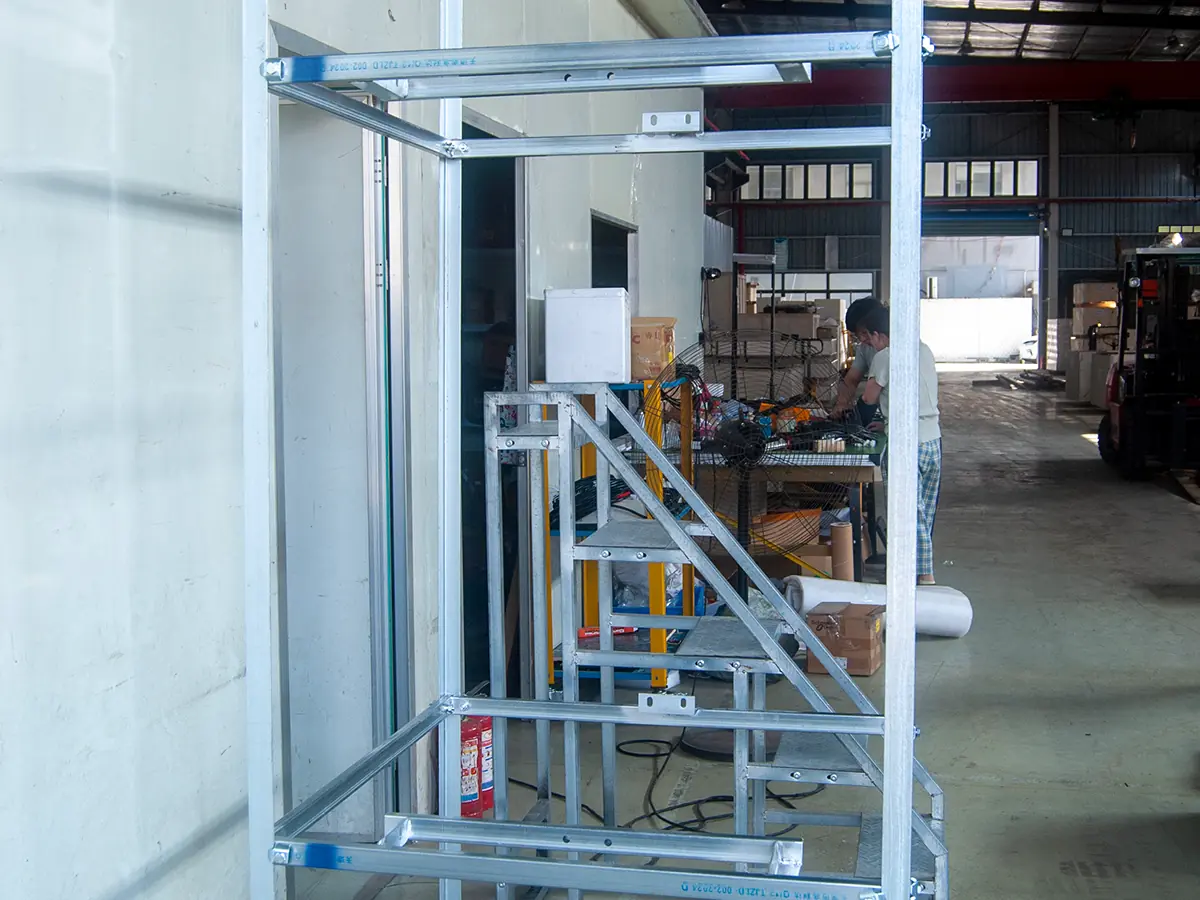
Table of Contents
- What to Specify: The Five Decisions
- Choosing the Car Size and Capacity
- Hoistway, Headroom and Power
- Traction or Hydraulic: The Drive Decision
- Budgeting: What a Home Dumbwaiter Costs
- From Specification to Installation: The Real Timeline
- Safety and Compliance to Insist On
- The Order Checklist
- What Ships From the Factory and What You Supply
- Site Readiness Before Delivery
- Choosing the Supplier
- Warranty, Spare Parts and After-Sales
- Five Specification Mistakes That Cost the Most
- Frequently Asked Questions
- Conclusion
A home dumbwaiter is specified once and installed once, so almost every disappointing installation traces back to a decision that was made too late: the car size fixed after the shaft was built, the drive chosen after the power supply was run, the finish selected after the landing doors were ordered. This buying guide is about getting those decisions right before anything is manufactured.
If you have not yet settled whether a home dumbwaiter is the right product for your house, start with our residential dumbwaiter guide, which covers what the machine is, what it carries, what it costs and whether your house is a candidate. This page assumes the answer is yes and deals with the next question: what do you specify, and how do you check that the supplier will deliver it?
What to Specify: The Five Decisions
A home dumbwaiter order is defined by five variables. Fix all five before you ask anyone for a price, because changing any one of them changes the other four.
| Decision | What to fix | Why it matters |
|---|---|---|
| Car size | 600×600×800 mm to 1000×1000×1200 mm | Determines the shaft plan and the landing opening |
| Rated capacity | 50 / 100 / 200 / 250 / 300 kg | Sets the drive machine, the suspension and the overload limit |
| Number of stops | 2–6 as standard | Each extra stop adds a landing door, a lock and controller wiring |
| Drive system | Traction or hydraulic | Sets pit depth, headroom and standby power |
| Voltage and finish | 220 V / 380 V; stainless, powder coat or veneer | Must match the market and the room the lift opens into |
Choosing the Car Size and Capacity
Most houses settle on one of three car sizes. A 600×600×800 mm car takes trays, groceries and small parcels. A 700×700×1000 mm to 800×800×1000 mm car takes full grocery loads, laundry baskets and catering trays. A 1000×1000×1200 mm car handles bulk shopping, cases and multi-tray service.
Match the car to the busiest realistic load in the house, not to the lightest. The mistake that costs the most is buying the smallest home dumbwaiter to save money and outgrowing it within a year, because the car size is the one part of the machine that cannot be changed later.
Car size and shaft size are locked together, and the clearance between them is what decides whether the machine fits the space you actually have. Before you fix the car, check the standard cabin and shaft pairs — the dumbwaiter dimensions and shaft guide lists them with the headroom and pit depth each one needs.
Hoistway, Headroom and Power
A home dumbwaiter needs three things from the building: a vertical shaft, a power supply, and enough headroom above the top landing. For a traction machine, plan on roughly 2,600–3,000 mm of headroom above the top floor and a pit of 300–500 mm below the bottom floor. The shaft plan itself is derived from the car rather than guessed.
Two site decisions should be made before the first opening is cut. The shaft position decides which rooms the home dumbwaiter serves — kitchen to pantry, garage to kitchen, kitchen to an upstairs dining level. The electrical supply decides where the machine and the controller can sit, and it must match the voltage of the destination market.
Where no masonry shaft exists, a self-supporting steel frame is erected through aligned floor openings. That is how most retrofits are done, and it is the reason a home dumbwaiter can be added to a finished house without structural work — the site requirements behind it are covered in our dumbwaiter installation guide.
Traction or Hydraulic: The Drive Decision
For a house, traction is the default choice. A traction home dumbwaiter is quieter, uses less standby power, needs less pit and less headroom, and has no hydraulic oil to maintain or replace. Hydraulic drives still suit very heavy or unusual loads, but a typical 100–200 kg residential installation is squarely in traction territory.
This is one of the few specifications where the cheaper option is also the better one. A hydraulic unit bought for a house usually costs more to run, takes more space and adds a maintenance item. The full comparison, including screw drives, is in our article on traction vs hydraulic vs screw dumbwaiters.
Budgeting: What a Home Dumbwaiter Costs
The equipment price is the figure buyers remember, and it is the smallest part of the budget. A factory-direct home dumbwaiter unit is quoted separately from shipping, shaft preparation, the electrical supply and installation labour.
Ask for the unit price and the delivery term separately, and ask explicitly what the price does not include — that answer is where most of the surprises in a home dumbwaiter project live. Our 2026 dumbwaiter price guide sets out what moves a quote up or down, and the dumbwaiter installation cost guide covers the site side of the budget.
From Specification to Installation: The Real Timeline
A home dumbwaiter order moves through five stages, and only the first one is fully under the buyer’s control. Specification and deposit take a few days. Engineering drawings follow within a week of the confirmed order. Production runs about three weeks for a standard unit. Inspection and packing add two to three days, and shipping depends on the route and the delivery term chosen. Knowing the sequence matters, because the longest delays rarely come from the factory. They come from a shaft that was not finished when the crate arrived.
| Stage | Typical duration | Who drives it |
|---|---|---|
| Specification and deposit | 2–5 days | Buyer and supplier |
| CAD shaft drawing | 3–7 days after deposit | Supplier, checked by the buyer’s builder |
| Production | 15–25 working days | Factory |
| Inspection and packing | 2–3 days | Factory, with the buyer’s inspector if one is appointed |
| Shipping and customs | 10–40 days, by route | Buyer’s forwarder and customs broker |
| Site work and commissioning | 3–7 days on site | Buyer’s contractor, with factory support |
Two of these stages can run in parallel, and that is the point of planning them together. Shaft construction should overlap production rather than follow it, so the home dumbwaiter arrives into a finished shaft instead of onto a building site. A buyer who requests the shaft drawing early, and forwards it to the contractor in the same week, usually removes two to three weeks from the whole schedule.
Safety and Compliance to Insist On
A home dumbwaiter runs in a family house, so safety equipment is not a place to save money. Six items should be present on any machine you consider:
- Interlocked landing doors. The car cannot move while a door is open, so no opening can be reached while the car travels.
- Overload protection. The machine will not start above its rated capacity.
- Emergency stop. A stop control at every landing and at the car.
- Slack rope or slack chain detection. The drive halts if the suspension loses tension.
- Child protection. A lockable landing door or a key switch, so the lift cannot be called by a child.
- Documentation. A declaration of conformity and a CE mark where the market requires one, built to recognised safety and design standards.
The Order Checklist
Ten items should be confirmed in writing before a home dumbwaiter order is placed. If a supplier cannot put all ten on the order confirmation, the specification is not finished.
- Car size in millimetres (width × depth × height)
- Rated capacity in kilograms
- Number of stops and their floor-to-floor heights
- Drive system
- Voltage and phase
- Car finish and landing door finish
- Landing door type and handing
- Shaft construction drawing issued with the order
- Packaging and delivery term (FOB, CIF or DDP)
- Lead time, warranty period and spare parts availability
What Ships From the Factory and What You Supply
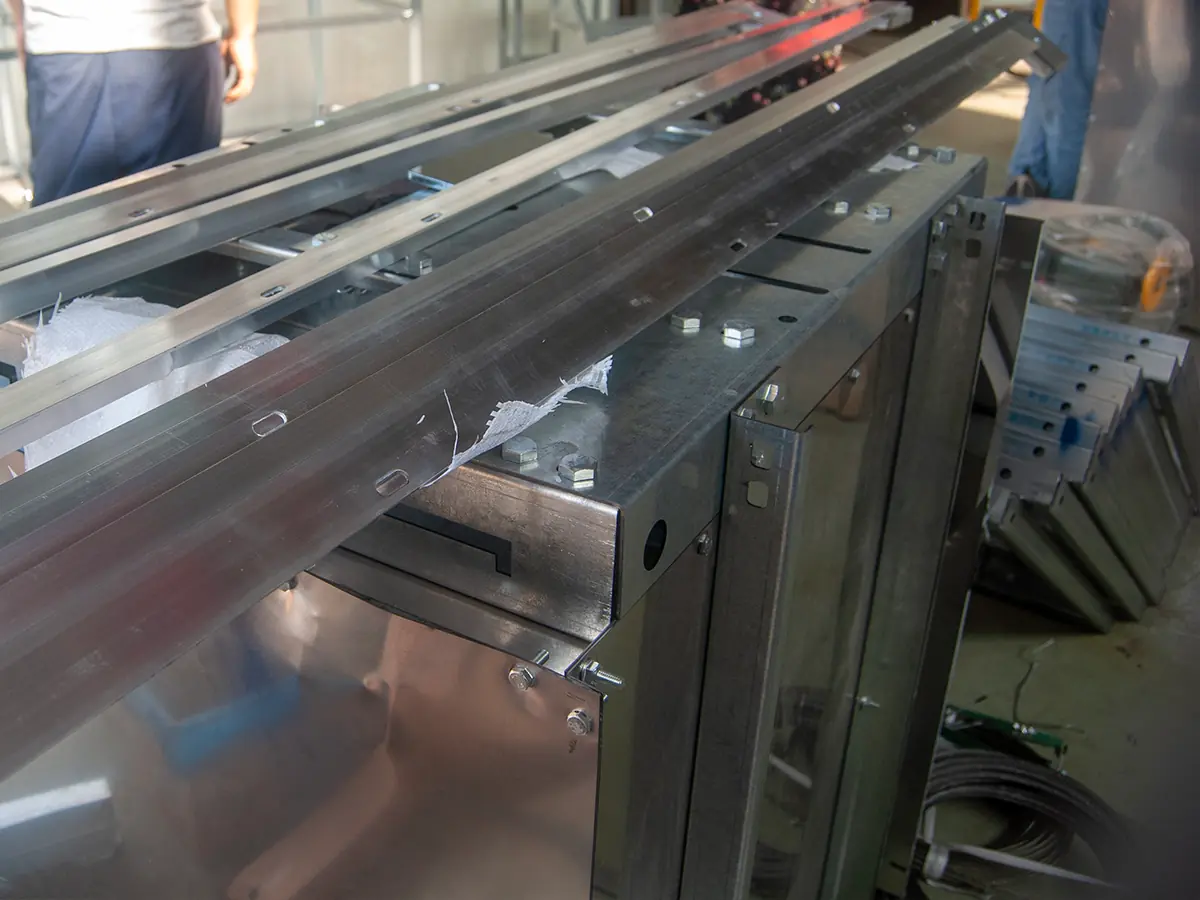
A home dumbwaiter crate is not a complete installation. The factory ships the car and sling, the guide rails and brackets, the drive machine, the controller, the landing doors, the call stations, the suspension and the fixing hardware. What stays on the buyer’s side is the shaft itself, the floor openings at each landing, a permanent power supply at the controller position, the pit where the drive design calls for one, and the labour to fix everything in place.
| Item | Factory | Buyer |
|---|---|---|
| Car, sling, guide rails and brackets | Yes | No |
| Drive machine and controller | Yes | No |
| Landing doors, call stations and fixings | Yes | No |
| Suspension and overload detection | Yes | No |
| Shaft walls and floor openings | No | Yes |
| Permanent power supply at the controller | No | Yes |
| Pit, headroom and drainage | No | Yes |
| Site labour, lifting and commissioning support | Drawings and remote support | Yes |
Ask for the packing list before the deposit and read it against this table. A home dumbwaiter quote described as complete but leaving the landing doors, the call stations or the fixings out of scope is not necessarily dishonest; it is simply a different scope from the next quote. Comparing suppliers on identical scope is the only way to see the real price difference.
Site Readiness Before Delivery
A home dumbwaiter can be installed cleanly or painfully, and the difference is decided before the crate is opened. Six conditions should be met on site before the delivery date:
- Shaft walls finished to the drawing. Plumb, and within the tolerance stated on the CAD sheet.
- Floor openings cut and edged at every landing the lift serves.
- A permanent power supply run to the controller position, at the voltage on the order.
- The pit formed and drained where the drive design requires one.
- Clear access for the crate to reach the shaft opening.
- A named person on site who holds the drawings and can reach the supplier during commissioning.
If any one of these is missing on the day the home dumbwaiter arrives, the crate waits, and stored equipment is both a cost and a risk. A short written checklist shared with the builder two weeks before shipping prevents almost every installation delay that is not caused by the machine itself.
Choosing the Supplier
A home dumbwaiter is a ten-year asset, so the supplier matters as much as the specification. Three checks separate a manufacturer from a reseller: the factory is identifiable and can be visited or shown on a live video call, the shaft drawings are issued as CAD files rather than described in an email, and spare parts are held in stock instead of sourced per order.
Global elevator majors such as Otis and Hitachi build passenger elevators and are strong choices for those; a home dumbwaiter is normally better served by a manufacturer that builds nothing else. Our guide to buying from a China dumbwaiter factory sets out the verification checklist, and the article on choosing a dumbwaiter brand explains how a specialist compares with a major brand on price, lead time and after-sales support.
Warranty, Spare Parts and After-Sales
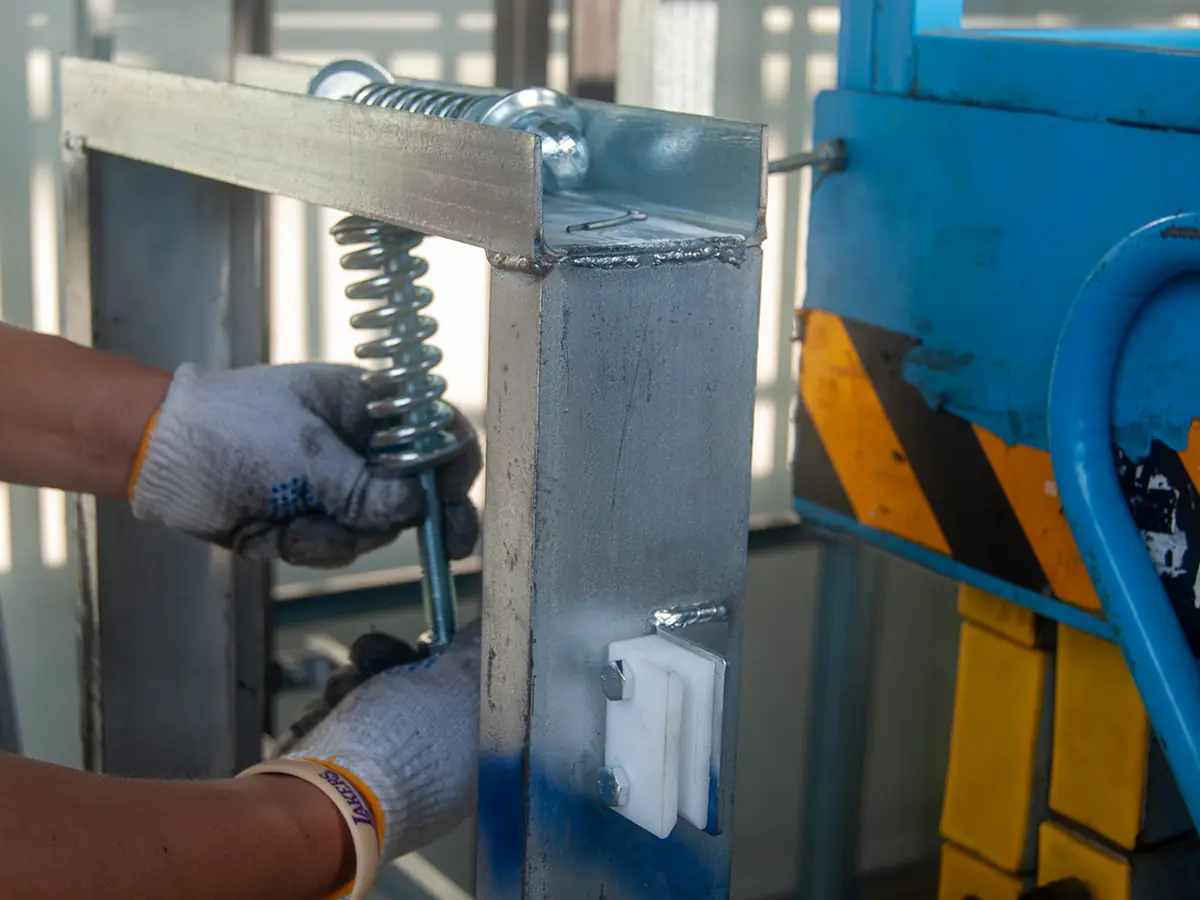
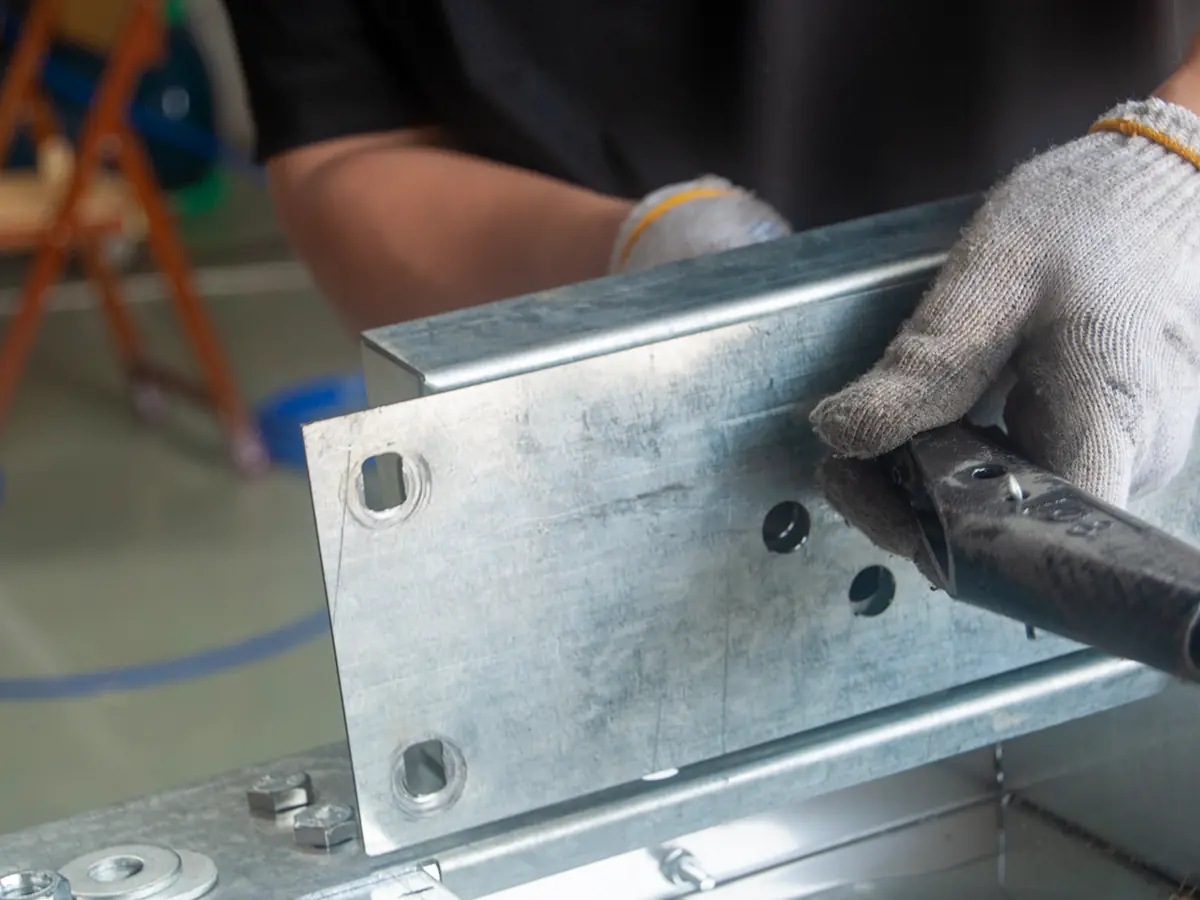
A home dumbwaiter is a long-life machine, so the warranty and the spare parts position matter as much as the specification. A standard unit carries a twelve-month warranty, which is normal for the category. What separates suppliers is how the parts behind that warranty are handled. Guide shoes, door rollers, call buttons and the suspension are the items that wear, and a supplier holding them in stock ships replacements in about three working days.
Three questions make the after-sales position clear before the order is placed. Are the wear parts held in stock or sourced per order? Is technical support given directly by the factory or through a reseller? Does the quotation name the lead time for a replacement part? A home dumbwaiter that stands idle for a month waiting on a single guide shoe has cost more than one that was quoted a little higher.
Five Specification Mistakes That Cost the Most
Most of the cost in a home dumbwaiter project is decided long before the machine is built. These five specification mistakes account for the largest avoidable sums:
- Fixing the car size after the shaft is built. A 100 mm change to the shaft costs far more once the masonry or the steel frame is up than the same change made on paper.
- Choosing the drive before the power supply. A hydraulic unit needs more pit and more headroom than traction, so the drive decision changes the civil work.
- Leaving the scope vague. If the quote does not say who supplies the landing doors, the fixings and the site labour, the cheapest number is usually the one with the most left out.
- Buying the smallest car to save money. Car size is the one part of a home dumbwaiter that cannot be changed later, so the saving is temporary and the limitation is permanent.
- Treating the lowest quote as the lowest cost. Add shipping, shaft preparation, power, installation and the first five years of spare parts before comparing two numbers.
None of these five mistakes is exotic, and that is what makes them expensive. Each one is a decision that is easy on the day it is made and hard to reverse a month later, which is why a home dumbwaiter order is worth planning on paper before anything is cut.
Frequently Asked Questions
What should I specify when I order a home dumbwaiter?
Five things define the order: car size in millimetres, rated capacity in kilograms, number of stops, drive system, and voltage and finish. Fix all five before requesting a price, because each one changes the cost of the others.
How do I choose the right car size for a house?
Size the home dumbwaiter to the busiest load it will actually carry. A 600×600×800 mm car suits trays and groceries; 700×700 mm to 800×800 mm suits full laundry baskets and catering trays; 1000×1000×1200 mm suits bulk shopping and multi-tray service. Car size cannot be changed after installation, so leave a margin.
What does a home dumbwaiter quote include?
A factory quote normally covers the lift unit and its packaging. It usually does not cover shipping, shaft preparation, the electrical supply, or local installation labour. Always ask for the unit price and the delivery term separately, and ask what is excluded.
How do I check a supplier before paying a deposit?
Ask for three things: a live video walk-through of the production line, free CAD shaft drawings for your house, and the compliance file for the unit. A manufacturer that builds home dumbwaiters as its main product will have all three ready before a deposit is discussed.
How long does a home dumbwaiter take from order to installation?
A standard order runs 15 to 25 working days in production, plus three to seven days for drawings beforehand and a shipping leg that depends on the route and the delivery term. With shaft work overlapping production, most buyers are running the home dumbwaiter within six to ten weeks of placing the order.
Who installs a home dumbwaiter, the factory or the buyer?
The buyer’s contractor installs it, with drawings and remote support from the factory. The machine arrives as a kit of car, rails, drive, controller, doors and fixings, and the site work – shaft, openings, power and lifting – sits on the buyer’s side. A supplier who offers a named engineer on a video call for commissioning is worth more than one who does not.
What does a home dumbwaiter warranty cover?
A standard unit carries a twelve-month warranty covering the machine and its components. Wear items are the practical question: a supplier who keeps guide shoes, door rollers and call buttons in stock ships replacements in about three working days, while one who sources them per order can leave a home dumbwaiter out of service for weeks.
Conclusion
A home dumbwaiter is bought on specification, not on price. Fix the car size, the capacity, the stops, the drive and the voltage before you ask for a quote; confirm the shaft and power requirements with your builder at the same time; and insist on interlocks, overload protection and documentation. Do those things and the installation will be uneventful, which is exactly what a service lift should be.
ServLifts builds traction dumbwaiters only, in car sizes from 600×600×800 mm to 1000×1000×1200 mm and capacities from 50 kg to 300 kg, with free CAD shaft drawings issued before production. Send your car size, capacity, floor heights and shaft position, and the engineering team will quote your home dumbwaiter directly from the factory.
[…] matters too — a home dumbwaiter, a hospital dumbwaiter, and a restaurant food lift each have specific sizing and hygiene […]
[…] each system. For a deeper look at residential configurations and real installations, the team at ServLifts publishes a detailed home dumbwaiter guide worth reading before you […]
[…] Homes and villas moving groceries and laundry — see the home dumbwaiter guide. […]
[…] Homes and villas — food, laundry, and groceries between floors. See the home dumbwaiter guide. […]
[…] which term to use, dive into the application-specific guide: the restaurant dumbwaiter guide, the home dumbwaiter guide, and the hospital dumbwaiter guide each cover sizing, installation, and cost for that […]
[…] Homes and villas: 60×60 cm to 80×80 cm, 100–200 kg — see the home dumbwaiter guide. […]
[…] y villas — comida, lavandería y compra entre plantas. Ver la guía para viviendas (en […]