Welcome to ServLifts Official Website

Dumbwaiter Installation Cost Guide: How to Budget Without Surprises (2026)

Table of Contents
- Why Unit Price Is Only Half the Story
- Dumbwaiter Installation Cost: The Full Breakdown
- Installation Labor by Region
- Shaft & Building Work Costs
- What Makes Installation Cost Rise or Fall
- How to Save on Installation
- A Realistic Budget Example
- ServLifts: A Specialized Manufacturer
- Frequently Asked Questions
- Conclusion
When buyers compare dumbwaiters, they usually compare unit prices — and then get surprised by the bill that arrives after delivery. The truth is that dumbwaiter installation cost is often 30–60% of the total project budget, and it varies wildly by building, country, and shaft type. This 2026 guide breaks down every cost component — equipment, shipping, duties, labor, shaft work, and electrical — with realistic ranges and a ready-to-use budget template, so you can plan without surprises.
Why Unit Price Is Only Half the Story
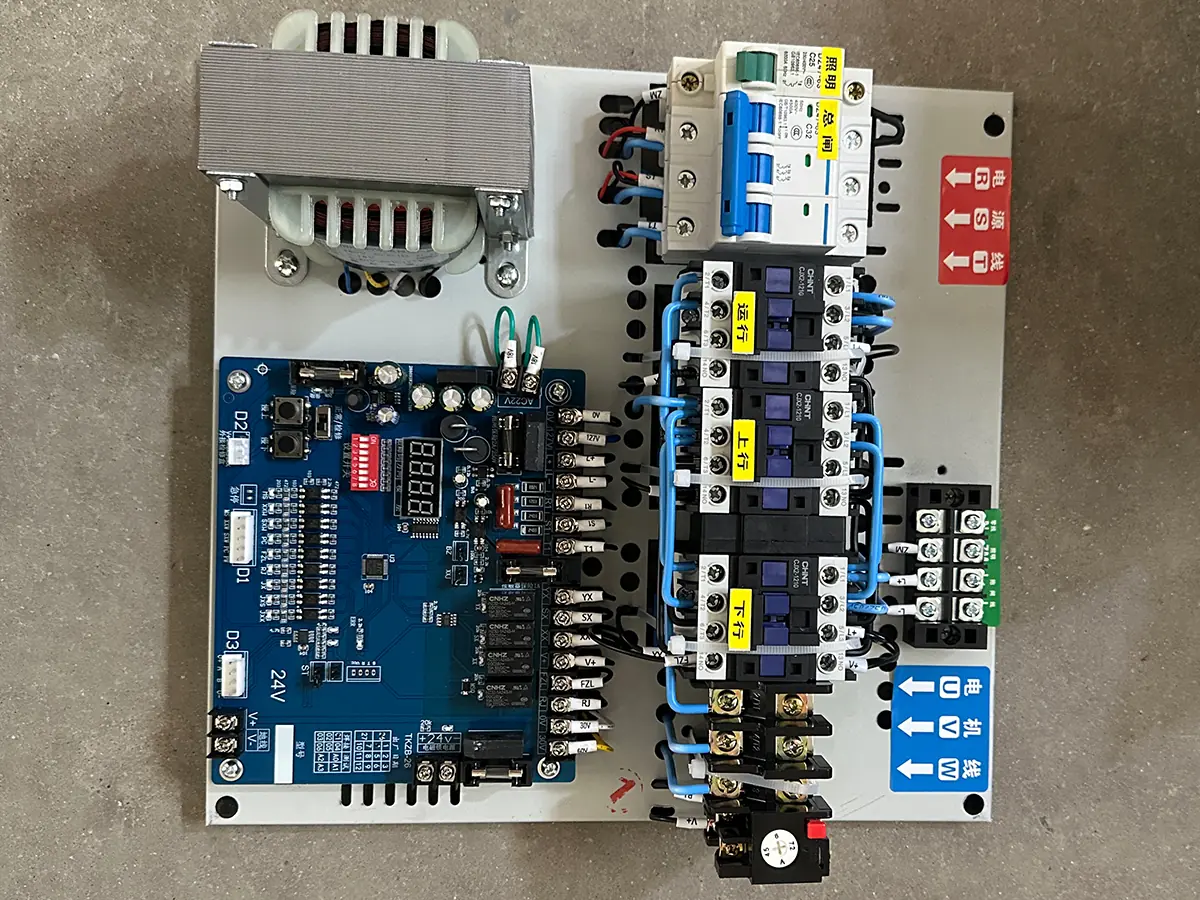
A dumbwaiter is a machine and a construction project. The unit itself might be US$2,265–$2,550 FOB, but it has to be shipped, cleared through customs, lifted into a building, connected to power, and installed in a shaft that usually needs preparation. Buyers who budget only the unit price routinely find themselves short by thousands of dollars.
Dumbwaiter Installation Cost: The Full Breakdown
| Cost component | Typical range | Notes |
|---|---|---|
| Equipment (FOB) | US$2,265–$2,550 | Standard traction unit, 100–250 kg |
| Ocean freight | US$300–$2,000 | Southeast Asia is cheapest; Africa/South America more |
| Import duties & taxes | 5–25% of value | Varies by country and HS classification |
| Installation labor | US$500–$3,000 | Local rigging, mounting, commissioning |
| Shaft & building work | US$500–$5,000+ | Biggest variable — see below |
| Electrical connection | US$200–$800 | Dedicated circuit, wiring to control panel |
For a typical two-floor restaurant installation, the total landed and installed cost usually lands in the US$4,500–$8,500 range depending on your market — roughly double the unit price once everything is included.
Installation Labor by Region
Labor is the most market-dependent line item:
- Southeast / South Asia: US$500–$1,200 — local mechanics usually handle it quickly.
- Middle East / Africa: US$800–$2,500 — often bundled with a local lift company.
- Europe / North America: US$2,000–$3,500+ — specialized technicians and permits add up.
- Remote commissioning: Many specialized factories now offer guided installation by video, which can cut local technician costs significantly.
Shaft & Building Work Costs
The shaft is where budgets go wrong. Your options:
- Existing shaft or lift-well: lowest cost — you mainly pay for fixing and door openings (US$500–$1,500).
- Steel-framed shaft (new): a contractor-built steel enclosure is usually cheaper and faster than masonry (US$1,500–$3,000).
- Masonry / concrete shaft (new): the most expensive option (US$3,000–$5,000+), mostly for new construction where aesthetics or fire rating demand it.
- Through-counter installation (pass-through): if the lift only serves two adjacent floors with a counter opening, building work can be minimal.
Plan the shaft early — our dimensions & shaft guide shows the sizes you need, and the installation guide covers preparation step by step.
What Makes Installation Cost Rise or Fall
These five factors move the total more than the unit price does:
- Number of stops — every extra floor adds door hardware, wiring, and labor.
- New shaft vs retrofit — building work dominates; retrofits into existing wells are far cheaper.
- Site access — can a forklift reach the shaft, or does the unit get hand-carried up stairs?
- Power availability — a dedicated circuit near the machine space saves electrical cost.
- Local certification — some markets require third-party inspection after installation to recognized standards such as those published by the American Society of Mechanical Engineers (ASME), adding a fee.
How to Save on Installation
- Plan the shaft before you buy — confirm dimensions with the factory drawing first, so there is no rework.
- Ask for remote/video commissioning — factories like ServLifts can guide your local technician through setup.
- Prepare the electrical point and wall openings in advance.
- Bundle with other renovation work — if you are already renovating, shaft work rides on existing labor.
- Compare 2–3 local installers for the labor line specifically.
Buyers who source wisely can hold total installed cost close to the low end — our price guide and import guide cover the purchase side of the budget.
A Realistic Budget Example
Two-floor restaurant in Southeast Asia, retrofit into an existing pantry shaft:
| Item | Estimate |
|---|---|
| 80×80 cm traction dumbwaiter (FOB) | US$2,400 |
| Ocean freight + local delivery | US$500 |
| Duties & handling | US$300 |
| Shaft fixing & door openings | US$800 |
| Installation labor (local) | US$600 |
| Electrical | US$300 |
| Total installed | US$4,900 |
ServLifts: A Specialized Manufacturer
ServLifts is a Suzhou, China-based factory that builds only traction dumbwaiters and small service lifts. We help you budget accurately from day one: clear FOB pricing, construction drawings so your contractor knows the shaft dimensions, remote video commissioning to cut local labor time, and honest guidance on what you can install locally versus what needs a technician. Global elevator majors such as Otis and Hitachi typically sell through installation contractors with bundled pricing; a specialized factory like ServLifts lets you see each cost line and decide where to spend. See how the equipment works in our how does a dumbwaiter work guide.
Frequently Asked Questions
How much does it cost to install a dumbwaiter?
Total installed cost for a typical two-floor unit usually lands between US$4,500–$8,500 depending on market: equipment (~$2,265–$2,550 FOB) plus freight, duties, shaft work, labor, and electrical. The unit is only about half the project.
Why is dumbwaiter installation so expensive?
Most of the cost is construction, not the machine: shaft preparation, freight, duties, and local labor typically add 30–60% on top of the unit price. Retrofits into existing shafts cost far less than new masonry shafts.
Can I install a dumbwaiter myself?
Some buyers install the unit with a local handyman using the factory’s video commissioning support, especially for simple two-floor retrofits. Electrical connection should always be done by a licensed electrician.
What is the most expensive part of a dumbwaiter project?
For new builds, the shaft is the biggest line item (masonry can run US$3,000–$5,000+). For retrofits, freight and import costs plus labor dominate. Plan the shaft early to keep costs down.
Conclusion
The real dumbwaiter installation cost is the whole project, not the unit price: equipment, freight, duties, shaft work, labor, and electrical together usually double the FOB figure. Budget with the breakdown above, plan the shaft before you order, and consider remote commissioning to control labor — that is how you finish without surprises. Browse the ServLifts range or contact us with your building details for a clear quote and honest budget guidance.
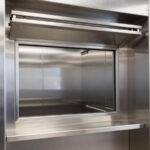
[…] A traction dumbwaiter runs about US$2,265–$2,550 FOB, with typical installed totals of US$4,500–$8,500 — see the installation cost guide. […]
[…] landed & installed: typically US$4,500–$9,000 depending on your market and site work — our installation cost guide breaks this […]
[…] a more detailed cost picture, ServLifts has a practical dumbwaiter installation cost breakdown that separates unit price, freight, labor and extras. Our own commercial dumbwaiter cost […]
[…] with typical installed totals of US$4,500-8,500 depending on your market and shaft work. See the dumbwaiter installation cost guide for the full […]
[…] landed & installed: typically US$4,500–$8,500 depending on market and shaft work — the installation cost guide breaks down every […]