Welcome to ServLifts Official Website

Dumbwaiter Lead Time: 7 Proven Steps From Order to Delivery
Seven to thirteen weeks door to door, split into four clocks. What each stage of a dumbwaiter lead time really takes, and the seven levers a buyer controls.

A dumbwaiter lead time from China runs 7 to 13 weeks door to door. Inside that number sit 15-25 working days of production, 3-5 working days of export documents, 2-3 weeks at sea and 1-2 weeks of import clearance. Each clock starts on a different day, and only two of the four are actually controlled by the factory. The other two are controlled by you and by your port.
What this page covers:
- What a dumbwaiter lead time actually covers
- Stage 1: Drawing sign-off (days 0-3)
- Stage 2: Production (15-25 working days)
- Stage 3: Testing and pre-shipment inspection (1-2 days)
- Stage 4: Export documents (3-5 working days)
- Stage 5: Sea freight by destination (1-6 weeks)
- Stage 6: Import clearance and inland delivery (1-2 weeks)
- Stage 7: Installation and commissioning (2-5 days)
- 7 proven ways to shorten a dumbwaiter lead time
- Dumbwaiter lead time FAQ
What a Dumbwaiter Lead Time Actually Covers
Three different numbers get called “lead time” in this trade, and buyers who compare quotes on a single figure are usually comparing three different things. The first is production lead time – the days the factory needs. The second is transit time – the days the carrier needs. The third is delivery lead time, door to door, which is the only one you can put in a project schedule.
When a supplier quotes a dumbwaiter lead time of “25 days”, nine times out of ten they mean production only. Ask what happens between the factory gate and your loading dock, and the real number doubles. That gap is not dishonesty; it is two different trades being described with one word.
| Dumbwaiter lead time stage | Typical duration | The clock starts when |
|---|---|---|
| 1. Drawing sign-off | 1-3 days | Deposit received |
| 2. Production | 15-25 working days | Drawing signed |
| 3. Testing and inspection | 1-2 days | Unit fully assembled |
| 4. Export documents | 3-5 working days | Space booked with the carrier |
| 5. Sea freight | 7-45 days | Container loaded on board |
| 6. Import clearance | 1-2 weeks | Vessel berths at destination |
| 7. Installation | 2-5 days | Equipment lowered onto site |
Read that table from the bottom up and the structure becomes obvious. Stages 1 to 4 belong to the supplier and the forwarder, stage 5 to the ocean, and stages 6 and 7 to you. A dumbwaiter lead time of 7 weeks is the best case with everything running in parallel. The same order takes 13 weeks when a shaft measurement arrives late and the container misses its sailing.
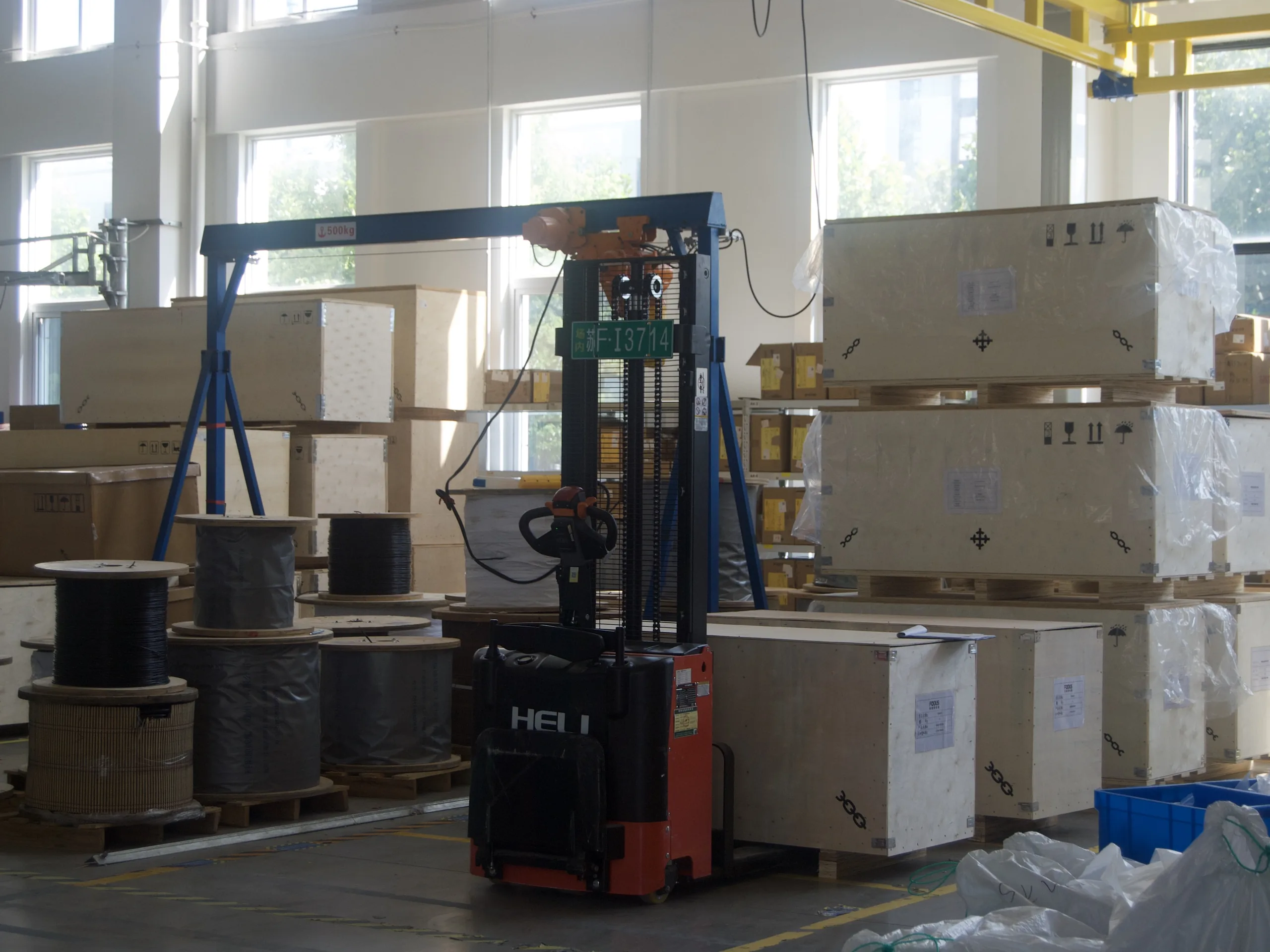
Two details matter before any of this. The technical specification decides which car size goes into the production queue, and the price of the unit itself is quoted separately from freight in almost every Chinese factory offer. Neither is a delay, but both are read as one when a buyer discovers the freight cost three weeks after paying the deposit.
Stage 1: Drawing Sign-Off (Days 0-3)
A dumbwaiter lead time is usually lost here, in the first week, before a single sheet of steel is cut. The factory cannot release a unit to production until it has a signed drawing, and the drawing cannot be finished without shaft dimensions, floor-to-floor heights, headroom, pit depth and the electrical supply. Until that drawing is approved, no dumbwaiter lead time is running at all.
When those five items arrive in the first email, sign-off takes 24 to 48 hours. When they arrive one at a time over three weeks of email rounds, production starts three weeks late – and nobody in the chain will call that a delay, because the order technically only began when the drawing was approved. Every experienced exporter has seen a shipment described as “on time” that landed two months after the buyer expected it.
Send photographs as well as numbers. A tape measure against a wall says less than a picture of the opening with the tape visible, because the picture also shows the wall construction, the ceiling obstruction nobody mentioned and the doorway the crate has to pass through. The dumbwaiter dimensions guide lists the measurements in the order factories ask for them, and the installation site checklist covers the site conditions that are hardest to fix later.
Stage 2: Production (15-25 Working Days)
This is the number most buyers mean by dumbwaiter lead time, and it is the only block of the dumbwaiter lead time the factory actually controls. For a standard traction unit in the 50-300 kg range, production runs 15 to 25 working days: car and counterweight fabrication, guide rail cutting, stainless steel panel work, control panel assembly and wiring.
Two words in that sentence do most of the work. Working days means Monday to Friday, so 20 working days is four calendar weeks – five if a public holiday lands inside. Standard means the car size comes from the existing range. A car that has to be drawn from scratch adds design time before fabrication even starts.
| Configuration | Production days | What adds the extra time |
|---|---|---|
| Standard traction unit, 50-300 kg | 15-20 working days | Nothing – this is the base case |
| Non-standard car size or shape | 20-25 working days | New panel drawings, new jig setup |
| Non-standard voltage or control logic | 20-25 working days | Different contactors, re-tested panel |
| Private label with custom nameplate | +5 working days | Artwork approval, laser marking queue |
Holidays are the most underestimated item in any dumbwaiter lead time. Chinese New Year closes factories for two to four weeks, and National Day week closes them for seven days – with another week of slow restart on either side. An order placed three weeks before either date does not add three weeks to the dumbwaiter lead time; it adds a month and a half.
Private label work follows the same rule. The private label programme adds about one week to production, and that week is entirely consumed by nameplate and packaging artwork approval – so artwork submitted with the deposit costs nothing, while artwork submitted after testing costs a full week.
Stage 3: Testing and Pre-Shipment Inspection (1-2 Days)
Nothing leaves the plant untested, and the test itself is short: a load test at 125% of rated capacity, a full travel cycle to every landing, safety gear engagement, slack rope detection and limit switch verification. One to two days covers it, including the report – short enough that it is never the reason a dumbwaiter lead time slips.
Third-party inspection is a separate clock. If you appoint SGS, TUV, Intertek or a local surveyor, they need five to seven days of notice and then two to five days on site, which adds roughly a week to the dumbwaiter lead time. That week is worth paying for on a first order and usually unnecessary on a repeat order from the same line. The inspection schedule shows what each checkpoint covers so you can decide which ones need a witness.
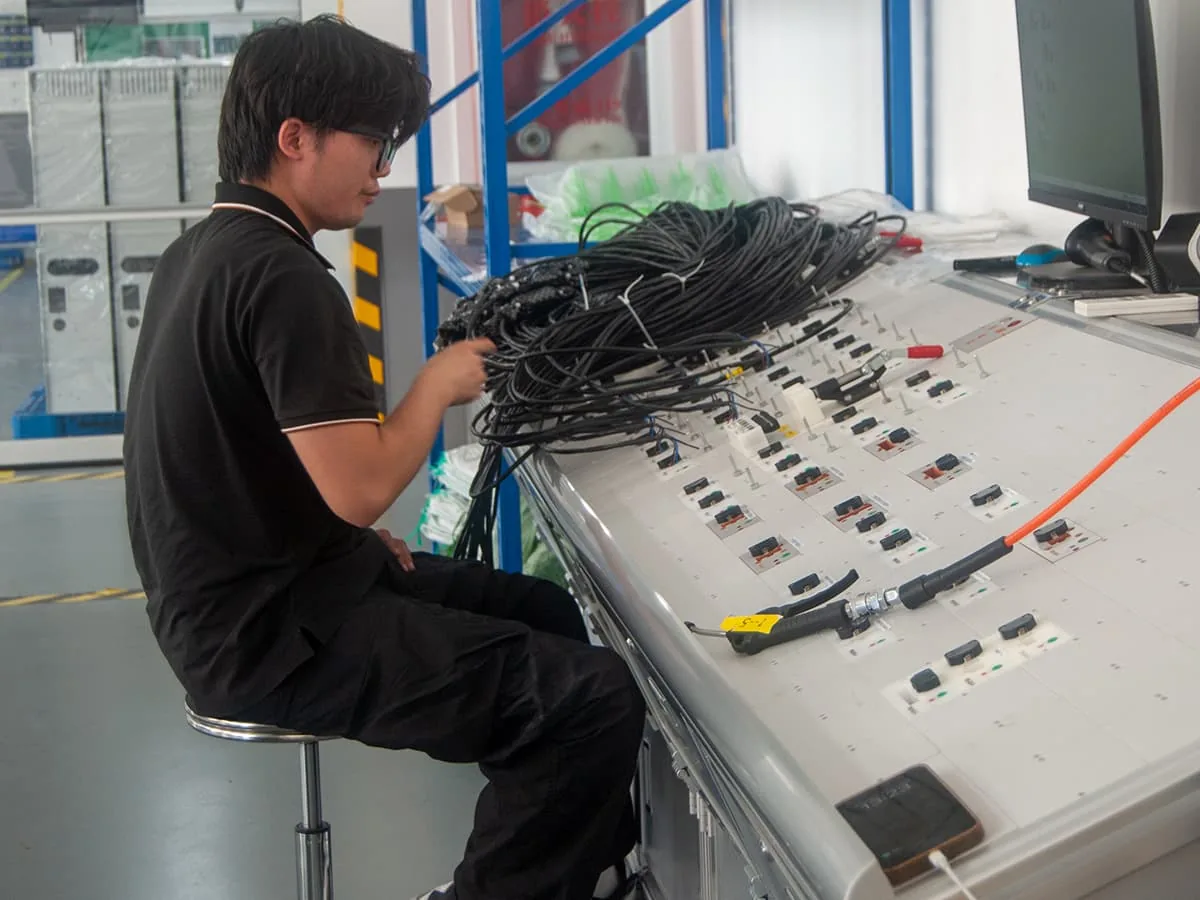
Ask for the test report and the video before the container is sealed, not after. It is far easier to change a limit switch in Wujiang than in a shaft in Lagos, and a two-day delay at the plant is cheaper than a two-week delay on site.
Stage 4: Export Documents (3-5 Working Days)
Documents run in parallel with production and only become a bottleneck when they are started after the unit is finished, which is the quietest way to add a week to a dumbwaiter lead time. Most of the paperwork is issued within three to five working days, but the bill of lading is not – it is released by the carrier three to seven days after the vessel departs, and that is the document your bank and your customs broker are waiting for.
| Document | Issued by | When you need it |
|---|---|---|
| Commercial invoice and packing list | Exporter | With the booking |
| Bill of lading | Carrier or forwarder | 3-7 days after departure |
| Certificate of origin (FTA form) | CCPIT or customs | Before arrival, for duty preference |
| CE declaration of conformity | Manufacturer | At import clearance |
| ISPM-15 treatment mark on wood packaging | Treatment facility | Before loading |
| Verified gross mass declaration | Shipper | Before loading |
| Insurance certificate | Insurer | Only when the terms require it |
Two of those rows deserve a sentence each. Wooden crates must carry the ISPM-15 heat-treatment mark or the container can be refused at the destination port, and the mark has to be applied by an accredited facility before loading – it cannot be fixed on arrival. The Incoterms you agreed decide who books the space, who insures the cargo and who clears it, which is why Incoterms 2020 deserves ten minutes of attention before the order rather than after.
On classification, dumbwaiters are usually cleared under HS heading 8428, but the exact subheading is decided by your own customs authority – the WCO harmonized system is the reference your broker works from. Confirm the code with the broker before the vessel sails, because a wrong code is a clearance delay, not a paperwork correction. Electrical requirements per market are covered in the dumbwaiter regulations summary.
Stage 5: Sea Freight by Destination (1-6 Weeks)
A single dumbwaiter packs into two to four cubic metres, which usually means LCL rather than a full container. Ocean freight is the largest single block of any dumbwaiter lead time. That single fact is where most of the surprise in a dumbwaiter lead time hides: LCL does not sail on your schedule, it sails when the consolidator has enough cargo, and the wait for consolidation is commonly seven to ten days before the vessel even leaves.
| Destination | Main port | Port to port | Door to door, all stages |
|---|---|---|---|
| Southeast Asia | Ho Chi Minh, Jakarta, Manila | 7-14 days | 4-6 weeks |
| US West Coast | Los Angeles, Long Beach | 12-18 days | 6-8 weeks |
| Middle East | Jebel Ali, Dammam | 18-25 days | 6-8 weeks |
| Mediterranean | Genoa, Valencia, Mersin | 25-32 days | 7-9 weeks |
| Northern Europe | Felixstowe, Hamburg, Rotterdam | 28-35 days | 8-10 weeks |
| South America | Santos, Callao, Cartagena | 30-45 days | 10-13 weeks |
Those transit times are port to port under normal conditions and exclude congestion, blank sailings and peak-season rollovers. They also exclude the one thing that catches buyers most often: a route with a transhipment leg. Cargo bound for a secondary port may sit at the hub for a week waiting for a feeder vessel, and no quote will mention it because the quote describes the main leg.
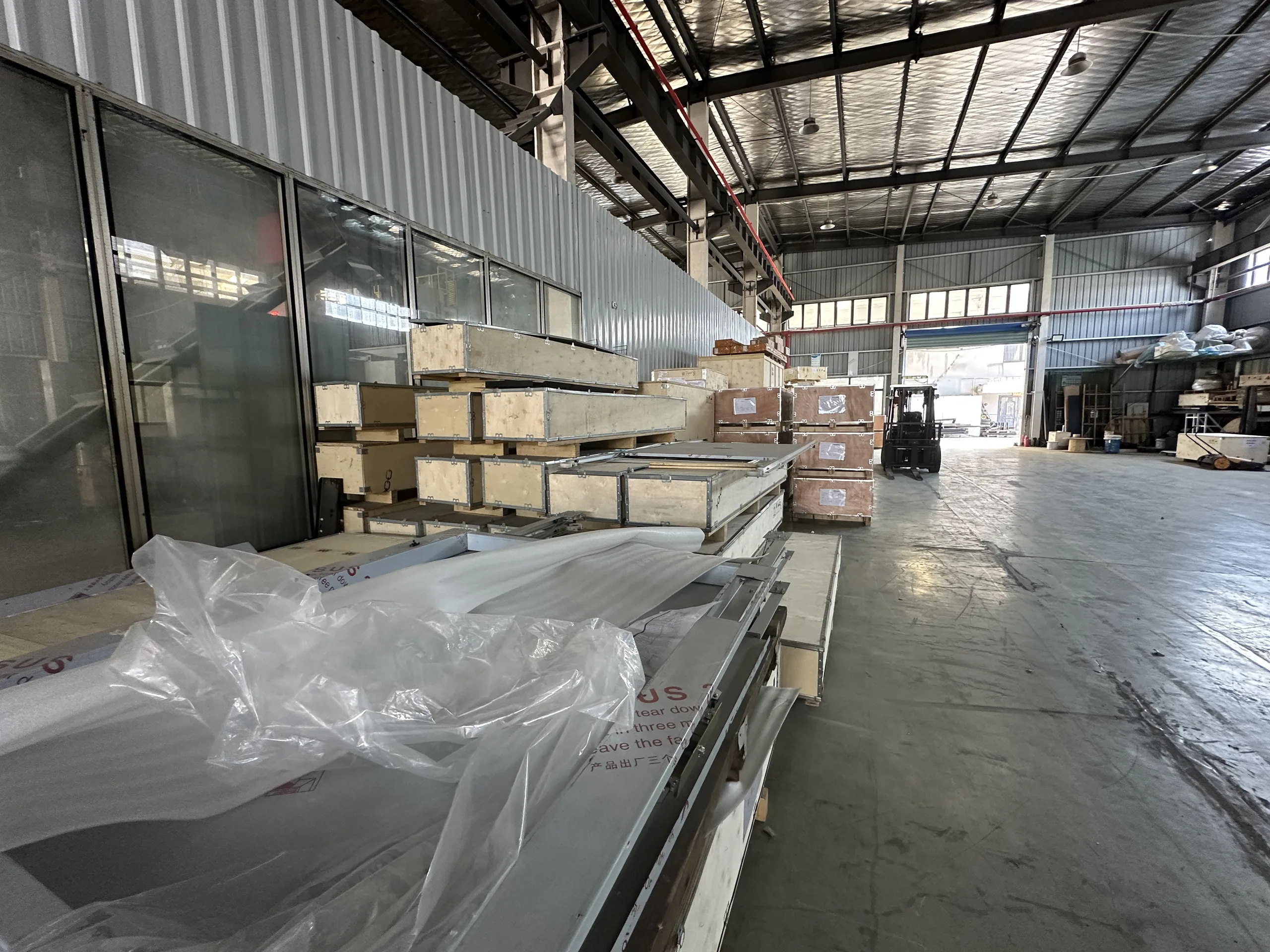
If the project date is fixed, the honest lever is not a faster ship – it is a full container. Twelve units fill a 40ft container and sail on a date you choose, which removes the consolidation wait entirely. The import process walkthrough covers the booking decision in more detail.
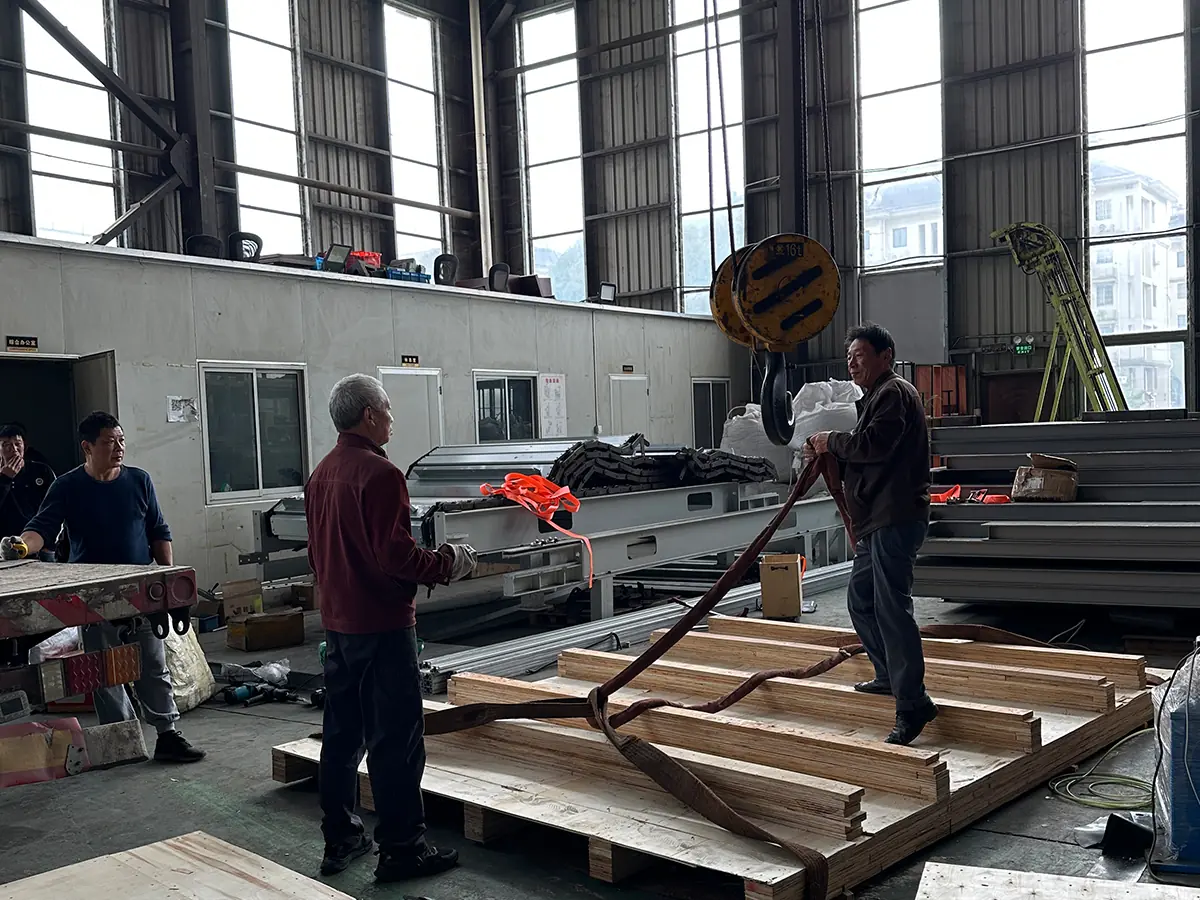
Stage 6: Import Clearance and Inland Delivery (1-2 Weeks)
Clearance takes one to two weeks in most markets, and almost all of that time is administrative rather than physical: entry filing, duty and VAT payment, and release. It is also the part of a dumbwaiter lead time that happens entirely outside the factory’s sight. The container is not examined in the normal case, and when it is, add three to five days.
The clock can start before the vessel berths. A broker who receives the invoice, packing list, bill of lading draft and certificate of origin in advance can file while the ship is still at sea, which turns a two-week clearance into a two-day release. The same shipment with documents arriving after berthing runs straight into the port’s free-time window, and demurrage is charged by the day.
Inland delivery is the shortest stage of the entire dumbwaiter lead time and the one most often forgotten in a project plan: one to three days by truck once the container is released. What tends to go wrong is site access – a crate that will not pass a doorway, or a lift that cannot reach the floor. Check both before the shipment arrives, not after.
Stage 7: Installation and Commissioning (2-5 Days)
Installation is the last stage of a dumbwaiter lead time and the only one that happens on your site. A standard shaft installs in two to five days with a two-person crew: guide rails, car, counterweight, traction machine, doors, wiring, then commissioning. A shaft that still needs preparation before the equipment can go in adds three to five days on top, and that work is site work, not factory work.
Book the installer before the container sails, not after it arrives. Good crews are scheduled two to four weeks out, and an installer who becomes available three weeks after the crate lands adds three weeks to a dumbwaiter lead time for reasons that have nothing to do with the machine. The installation guide lists the sequence and what the site needs to have ready, and the installation cost breakdown shows which parts of that labour are usually local.
Commissioning ends with a handover test at every landing, a short training session for whoever will operate the unit, and a maintenance schedule. A unit installed and handed over without that test is a unit whose first fault will be discovered by a member of staff rather than by an engineer.
7 Proven Ways to Shorten a Dumbwaiter Lead Time
Every lever below is something a buyer controls, and each one shortens the dumbwaiter lead time without touching the price. None of them requires a different factory, a higher price or a favour, and together they are worth four to six weeks on a typical order.
| # | Lever | Days saved | What you have to do |
|---|---|---|---|
| 1 | Send shaft dimensions and photos in the first email | 7-14 | Measure opening, headroom, pit, floor heights |
| 2 | Choose a standard car size from the range | 5-10 | Accept the nearest standard size to your ideal |
| 3 | Pay the deposit the same week you approve the drawing | 3-7 | Have the payment route ready before approval |
| 4 | Keep voltage and control specification standard | 5-10 | Confirm the local supply early, not late |
| 5 | Decide Incoterms and book freight before production ends | 5-7 | Nominate the forwarder at deposit stage |
| 6 | File import documents while the vessel is at sea | 3-5 | Appoint a broker before departure |
| 7 | Book the installer and stage the shaft before arrival | 3-5 | Schedule the crew two to four weeks out |
1. Send everything in the first email. Dimensions, photographs, floor heights, power supply and destination port. A complete enquiry turns into a signed drawing in two days; an incomplete one turns into a three-week conversation during which no dumbwaiter lead time is running and no production slot is held.
2. Take the nearest standard size. A car two centimetres wider than a standard model costs one to two weeks of new panel drawings. Ask what the standard sizes are before you design the shaft, not after.
3. Pay the deposit in the same week. Production slots are queued by payment date, not by enquiry date, and that one rule decides more dumbwaiter lead time than any factory promise. An order approved on Monday and paid on the twenty-fifth of the following month starts production on the twenty-fifth.
4. Keep the electrical specification standard. Three-phase 380V 50Hz is the default and the fastest route through a dumbwaiter lead time. A 415V 60Hz unit for Australia or a 440V 60Hz unit for parts of the Americas is routine work, but it is not stock work, and it is re-tested after assembly.
5. Decide the freight before production ends. FOB, CIF or DAP decides who books the space, and that choice is worth a week of dumbwaiter lead time. Buyers who leave the decision until the unit is finished lose the sailing they were aiming at and wait for the next one.
6. File early, not on arrival. Give the broker the documents while the vessel is still at sea. The deposit and payment guide explains the document set that has to be in place before the balance is released, which is the point where most first-time buyers discover they are missing a certificate.
7. Book the crew before the crate lands. The installation stage is the only one where the buyer is the bottleneck of the dumbwaiter lead time. A shaft prepared in advance and a crew booked two weeks out turns a five-day install into a two-day one.
Dumbwaiter Lead Time FAQ
How long does a dumbwaiter take to arrive from China?
Seven to thirteen weeks door to door in most markets, counted from deposit to handover. That figure is the only dumbwaiter lead time worth putting in a project plan. Production accounts for three to five of those weeks, ocean freight one to six, and clearance and installation one to two. A buyer in Southeast Asia can realistically plan on six weeks; a buyer in South America should plan on three months.
Can a dumbwaiter lead time be shortened to under six weeks?
Only for short-sea destinations with everything running in parallel. Fifteen working days of production plus a fast sailing plus pre-filed documents gets a unit to a Southeast Asian port in about five weeks. For Europe or the Americas, six weeks is not achievable by any factory, whatever the quotation says.
Does a custom dumbwaiter take longer than a standard one?
Yes, usually by five to ten working days, which is the most common surprise in a quoted dumbwaiter lead time. The extra time is not fabrication – it is the design and jig setup that happens before fabrication starts. A custom car size, a non-standard voltage or a special control sequence each push a dumbwaiter lead time into the 20-25 working day band.
What delays a dumbwaiter shipment most often?
Late shaft measurements, by a wide margin. Everything else in the chain is scheduled work with a known duration; a missing dimension is an open question with no duration at all. Second is a deposit that arrives after the production slot was allocated to someone else, third is a missed sailing caused by an undecided freight term.
Does the price include shipping and installation?
No, and that is why two offers with the same dumbwaiter lead time can differ by 40%. Chinese factory pricing is normally ex-works or FOB, which covers the unit and the export clearance but not the ocean leg, the import duty or the installation labour. Freight and installation are quoted separately and depend on destination, volume and site conditions, so they should be added before you compare two offers.
Lead time starts at the order, and the channel you buy through sets how much of the schedule you control. The dumbwaiter for sale channels compared covers that part of the decision.
A dumbwaiter lead time is not a single number and it is not controlled by one party. Four clocks run at once, two of them belong to you, and the order that lands in seven weeks is usually the one where nobody waited for somebody else to send an email. If you want a stage-by-stage schedule for your own shaft and destination, send the site details through the contact page and we will put real dates against each stage.
[…] transit plus clearance rather than factory time alone. The full breakdown by destination is on our dumbwaiter lead time page, because quoting one global number would be a guess dressed as a […]