Welcome to ServLifts Official Website

Hotel Dumbwaiter: The Complete Guide for Linen & Room Service (2026)

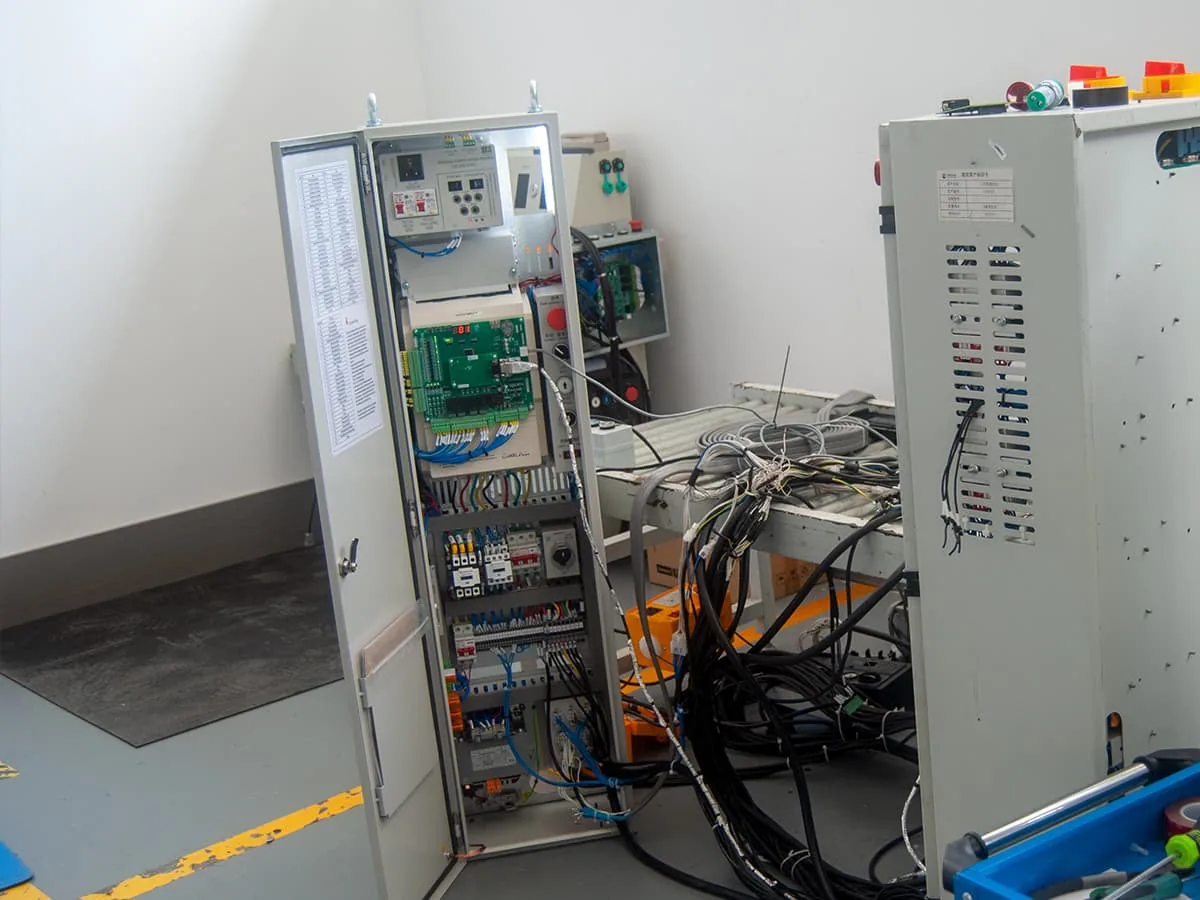
Table of Contents
- Why Every Multi-Floor Hotel Needs a Hotel Dumbwaiter
- Four Jobs a Hotel Dumbwaiter Handles Daily
- Hotel Dumbwaiter Sizing & Capacity
- Quiet Operation: A Hotel-Specific Requirement
- Stainless Steel & Hygiene
- Configuration: Stops, Doors & Control
- Hotel Dumbwaiter Cost
- ServLifts: A Specialized Hotel Lift Manufacturer
- Frequently Asked Questions
- Conclusion
A hotel runs on vertical logistics: breakfast trays going up, dirty linen coming down, housekeeping supplies moving between service floors. A hotel dumbwaiter — a compact goods-only lift — moves all of it in seconds, without staff climbing stairs and without tying up the guest elevators.
This 2026 guide covers everything a hotelier or contractor needs: what a hotel dumbwaiter handles, sizing, quiet operation, hygiene, configuration, and cost.
Why Every Multi-Floor Hotel Needs a Hotel Dumbwaiter
Three problems push hotels toward installing one:
- Guest elevators cannot carry service loads — staff moving linen carts or food trays through a guest lift damages the guest experience and the lift itself.
- Stairs cost time and injuries — carrying trays and linen between floors is slow, exhausting, and a workplace-safety risk.
- Floors are getting busier — breakfast service, minibar restocking, and turnover cleaning all compete for vertical movement.
A hotel dumbwaiter solves these with a dedicated goods channel that runs all day, quietly, in the background.
Four Jobs a Hotel Dumbwaiter Handles Daily
- Room service & breakfast — trays from the kitchen to guest floors and back.
- Linen & laundry — soiled linen down to the laundry, clean linen back up to housekeeping closets.
- Housekeeping supplies — amenities, cleaning materials, and minibar stock between service floors.
- Food & beverage storage runs — dry store, cold room, and bar restocking.
The same equipment suits restaurants and hospitals too — see our restaurant dumbwaiter guide and hospital dumbwaiter guide for those workflows.
Hotel Dumbwaiter Sizing & Capacity
| Hotel size | Recommended car | Capacity |
|---|---|---|
| Boutique hotel / guesthouse | 70×70×100 cm | 120–150 kg |
| Mid-size hotel (50–150 rooms) | 80×80×100 cm | 150–200 kg |
| Larger hotel with laundry | 100×100×120 cm | 200–250 kg |
Size the car around your largest realistic load — a linen trolley or a stacked tray carrier — not the average. Your shaft must be roughly 15–20 cm larger than the car; confirm exact dimensions with the factory drawing before construction (dimensions guide).
Quiet Operation: A Hotel-Specific Requirement
Unlike a restaurant back-of-house, a hotel lift often sits near guest rooms and runs early morning or late at night. Two things matter:
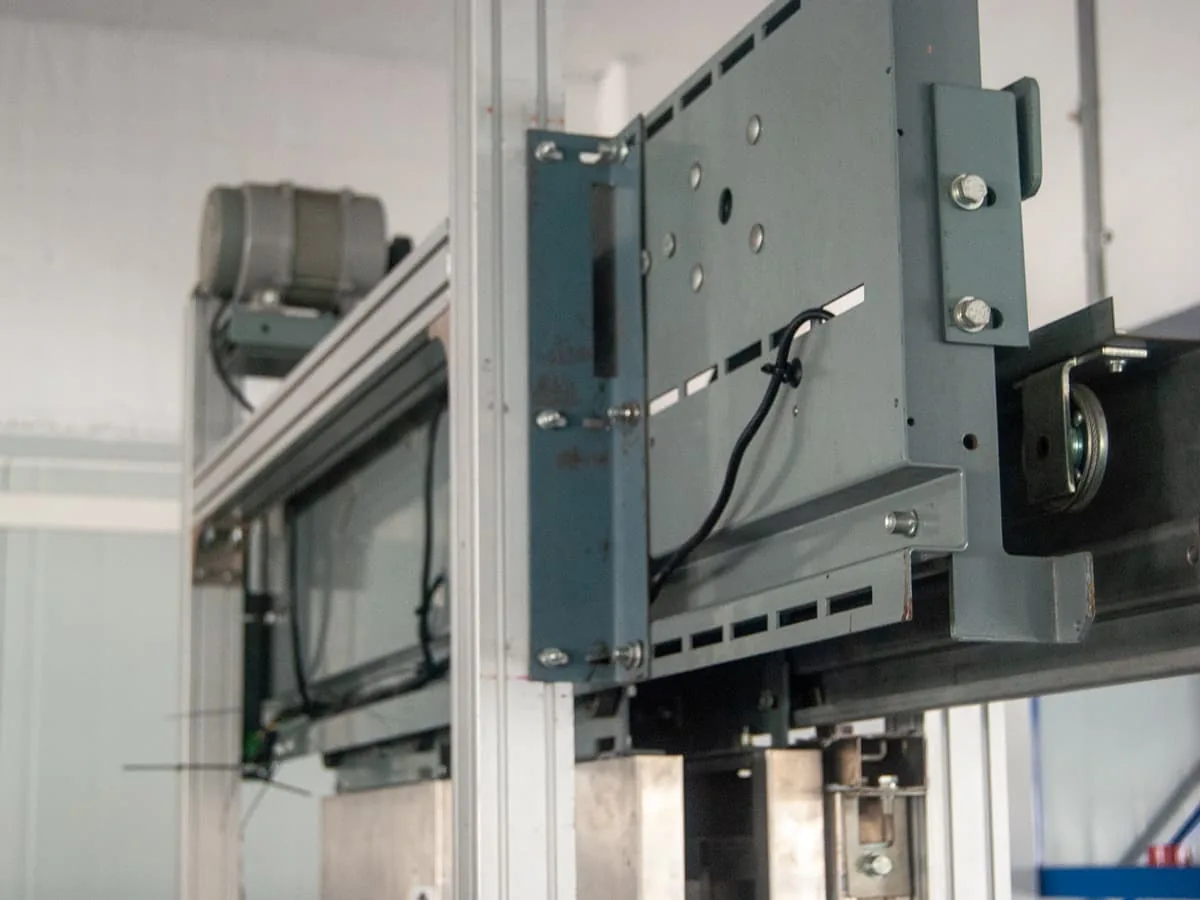
- Traction drive — modern traction machines run far quieter than hydraulic units, with no pump noise.
- Guide shoe and rail quality — properly aligned rails and quality guide shoes remove the rattle that gives away a cheap installation.
Specify quiet operation and require a load test before shipment; ask for video of the unit running. For what the numbers mean once the unit is in the building, see our guide to dumbwaiter noise and the six sources behind it.
Stainless Steel & Hygiene
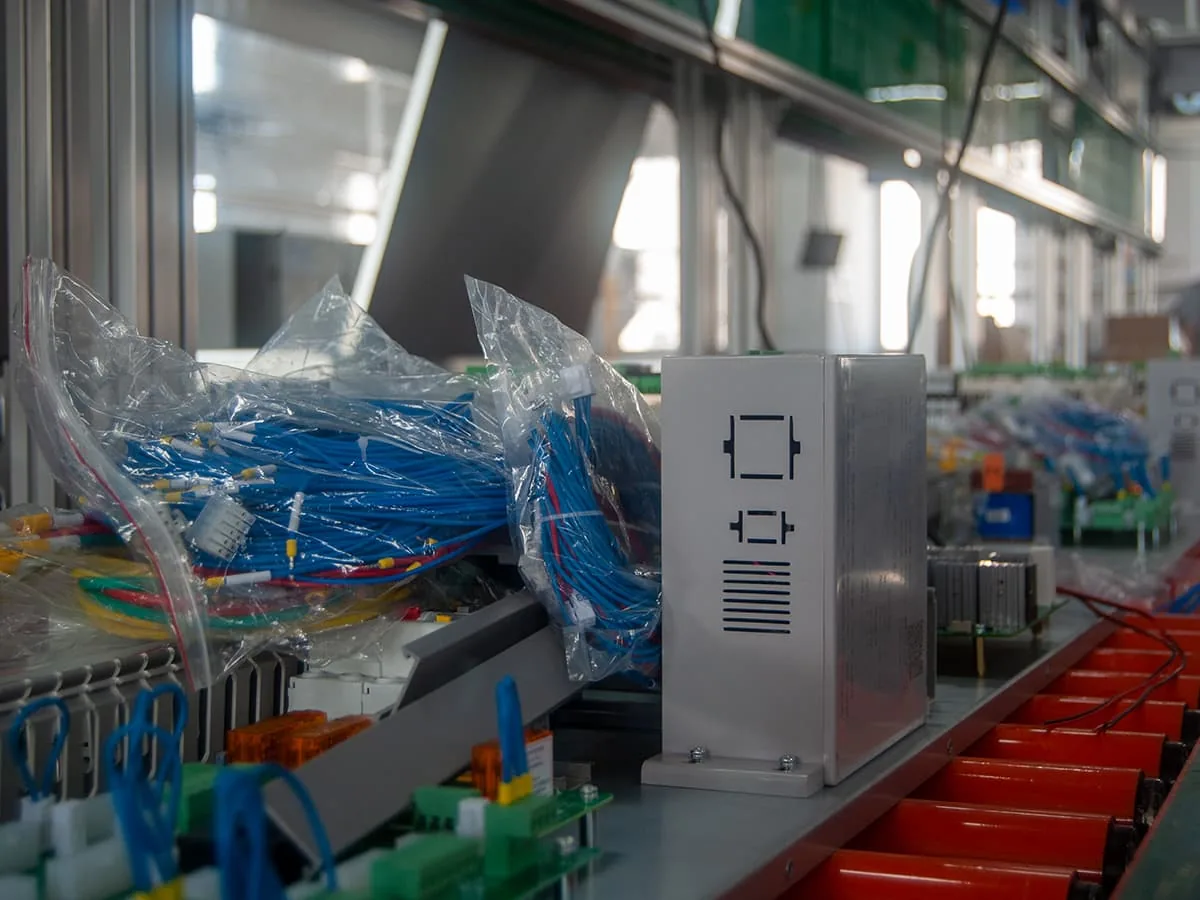
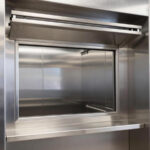
For food and linen contact, specify SS 304 stainless steel for the car interior, doors, and sills:
- Easy to clean and sanitize between uses.
- Resists corrosion in humid, steam-adjacent hotel environments.
- Looks professional on guest-adjacent landings.
Avoid painted mild steel in food service areas; it chips and corrodes.
Configuration: Stops, Doors & Control
- Stops — one landing per floor served; hotels commonly run 3–7 stops.
- Bi-parting doors — two panels sliding apart, the standard for hotels: compact, safe, and fast.
- Pass-through configuration — doors on both sides where delivery and pickup are on opposite sides of the shaft (kitchen corridor vs guest corridor).
- Landing control — call buttons and position indicators at every landing; a clean, simple control panel keeps staff training short.
- Door interlocks — mandatory: the car cannot move unless every landing door is fully closed.
Confirm door configuration before ordering — changing it later is a construction project in itself.
Hotel Dumbwaiter Cost
- Equipment (FOB): US$2,265–$2,550 for a standard traction unit — see the price guide.
- Total landed & installed: typically US$4,500–$8,500 depending on market and shaft work — the installation cost guide breaks down every line.
- Extra stops add door hardware, wiring, and landing labor per floor.
Compare that with a passenger elevator at US$30,000+ installed: for goods-only hotel service, a hotel dumbwaiter is a fraction of the cost — and it frees your guest lifts for guests.
ServLifts: A Specialized Hotel Lift Manufacturer
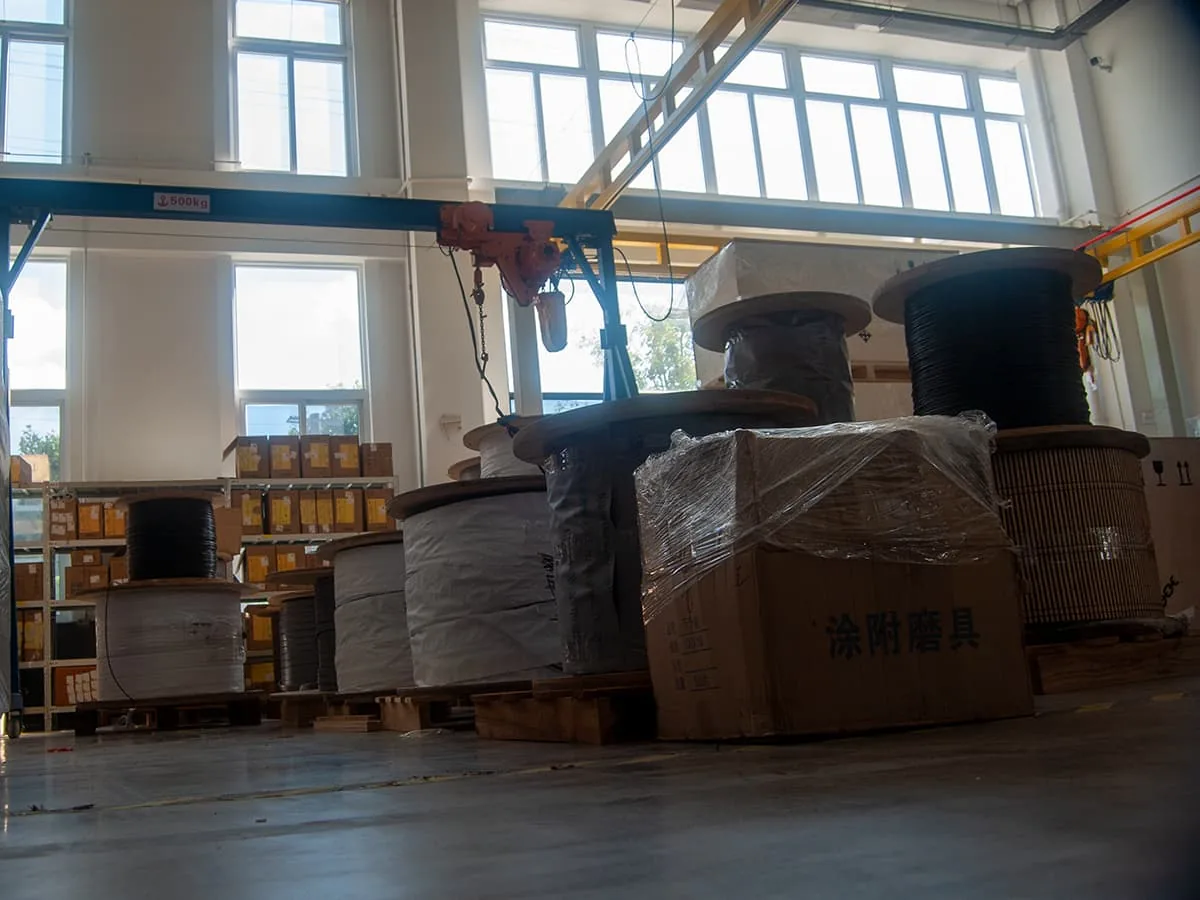
ServLifts is a Suzhou, China-based factory that builds only traction dumbwaiters and small service lifts for hotels, restaurants, hospitals, and homes. Our SC-A and RC-B series cover car sizes from 60×60×80 cm to 120×120×140 cm and capacities of 50–300 kg, with SS 304 stainless-steel options, quiet traction drives, bi-parting doors, and builds matched to your market’s voltage and frequency.
Every unit is load-tested before shipment, export-crated, and shipped with a compliance file aligned with recognized standards such as those published by the American Society of Mechanical Engineers (ASME). We also help you plan the shaft with construction drawings — and we export regularly to hotel projects across Southeast Asia, the Middle East, Latin America, and Africa.
Global majors such as Otis and Hitachi focus on passenger elevators; for service lifts, a specialized factory is the direct route.
Frequently Asked Questions
What size hotel dumbwaiter do I need?
Boutique hotels usually need a 70×70×100 cm car (120–150 kg); mid-size hotels 80×80×100 cm (150–200 kg); larger hotels with laundry should consider 100×100×120 cm (200–250 kg). Size around your linen trolleys and tray carriers.
Can a hotel dumbwaiter carry people?
No — a hotel dumbwaiter is a goods-only lift. It is designed for trays, linen, and supplies; guests and staff must use the passenger elevator. This is also why it costs a fraction of an elevator and is far less regulated. It is still subject to a periodic statutory examination, though, and the interval and paperwork differ by market — our dumbwaiter inspection schedule sets out what a hotel operator inherits.
Is a dumbwaiter noisy in guest areas?
Modern traction dumbwaiters run quietly — there is no hydraulic pump. Noise comes mainly from poorly aligned guide rails and cheap guide shoes, so specify quiet operation and require a running test video before shipment.
How much does a hotel dumbwaiter cost?
Equipment runs US$2,265–$2,550 FOB, and total installed cost is typically US$4,500–$8,500 depending on market, stops, and shaft work. Extra floors add door hardware and landing labor.
Conclusion
A hotel dumbwaiter is the quiet, cost-effective answer to hotel vertical logistics: room service, linen, and housekeeping supplies move on their own dedicated channel while guest elevators stay for guests.
Right-size the car, specify traction drive and SS 304 stainless steel, plan the shaft early with factory drawings, and budget US$4,500–$8,500 installed. Browse the ServLifts range or contact us with your floors, stops, and typical loads for a direct-from-factory quote.