Welcome to ServLifts Official Website

Dumbwaiter Mexico & Latin America: The Smart Guide to Importing Food Lifts (2026)

Table of Contents
- Why Mexico & Latin America Are Strong Dumbwaiter Markets
- Market Snapshot by Country
- Voltage & Frequency: The #1 Technical Detail
- Certification & Local Compliance
- Shipping, Duties & Landed Cost
- Buying From a China Factory: What Works
- ServLifts: A Specialized Export Manufacturer
- Frequently Asked Questions
- Conclusion
For buyers and distributors across Mexico, Colombia, Peru, and Brazil, a dumbwaiter Mexico import from China has become the practical route to affordable food lifts and service lifts: local manufacturing of small goods lifts is thin, big elevator brands price small lifts for large projects, and Chinese specialized factories build to order at a fraction of the cost. This 2026 guide covers everything a Latin American buyer needs — market overview, the voltage question that catches most importers out, certification, shipping, and how to buy safely from a factory.
Why Mexico & Latin America Are Strong Dumbwaiter Markets
Three forces drive demand for dumbwaiters across Latin America:
- Food service growth — expanding restaurant, café, and hotel networks in Mexico City, Bogotá, Lima, and São Paulo need vertical food transport in multi-level venues.
- Thin local supply — few local manufacturers build small traction lifts; most dealers import from the USA, Europe, or Asia, adding margin at each step.
- Cost pressure — global elevator majors focus on passenger elevators; a single restaurant food lift is a small order for them, and pricing shows it.
The same pattern shows up across the other emerging markets we cover, including Nigeria and West Africa, where thin local supply and rising food-service demand create a similar import route.
Dumbwaiter Mexico & Regional Market Snapshot
- Mexico — the largest and most active market: a huge food-service and tourism sector, strong import culture, and major ports (Manzanillo, Veracruz, Lázaro Cárdenas). Mexican buyers and distributors source from Asia regularly.
- Colombia — a growing hospitality sector and active importing community in Bogotá and Medellín.
- Peru — restaurant and hotel growth in Lima keeps food-lift demand steady.
- Brazil — the largest economy, with strong demand but heavier import bureaucracy and local certification requirements.
- Chile, Argentina, Ecuador — smaller but consistent niches served mainly through local lift dealers and distributors.
Voltage & Frequency: The #1 Technical Detail
This is the mistake that delays most Latin American imports: much of the region runs 60 Hz, while Chinese-standard equipment is built for 50 Hz. A standard Chinese dumbwaiter motor will run at the wrong speed or overheat on a 60 Hz supply unless specified correctly.
| Country | Common supply | Frequency |
|---|---|---|
| Mexico | 127 V single / 220 V three | 60 Hz |
| Colombia | 120 V single / 220 V three | 60 Hz |
| Peru | 220 V single / three | 60 Hz |
| Brazil | 127 / 220 V | 60 Hz (most regions) |
| Chile / Argentina | 220 V | 50 Hz |
When you order, state your exact voltage and frequency — a factory that exports widely will build the motor and control system to your market’s supply as standard. Always confirm it in writing on the proforma invoice.
Certification & Local Compliance
Compliance requirements vary by country and installation type:
- Mexico — goods lifts may need to meet NOM-related electrical and safety requirements; check with a local customs broker and your installer before shipping. Importing under the right HS code with a proper customs agent avoids costly delays at Manzanillo or Veracruz.
- Brazil — heavier requirements, including INMETRO-related certification and local representation for many electrical products. Brazilian buyers should plan for this in the project budget and timeline.
- Other countries — most of Latin America applies international-style standards such as those published by the American Society of Mechanical Engineers (ASME) as reference; a credible factory ships a compliance file with the unit to support local inspection.
Ask your supplier for the documentation package before you pay, and involve a local customs broker early.
Shipping, Duties & Landed Cost
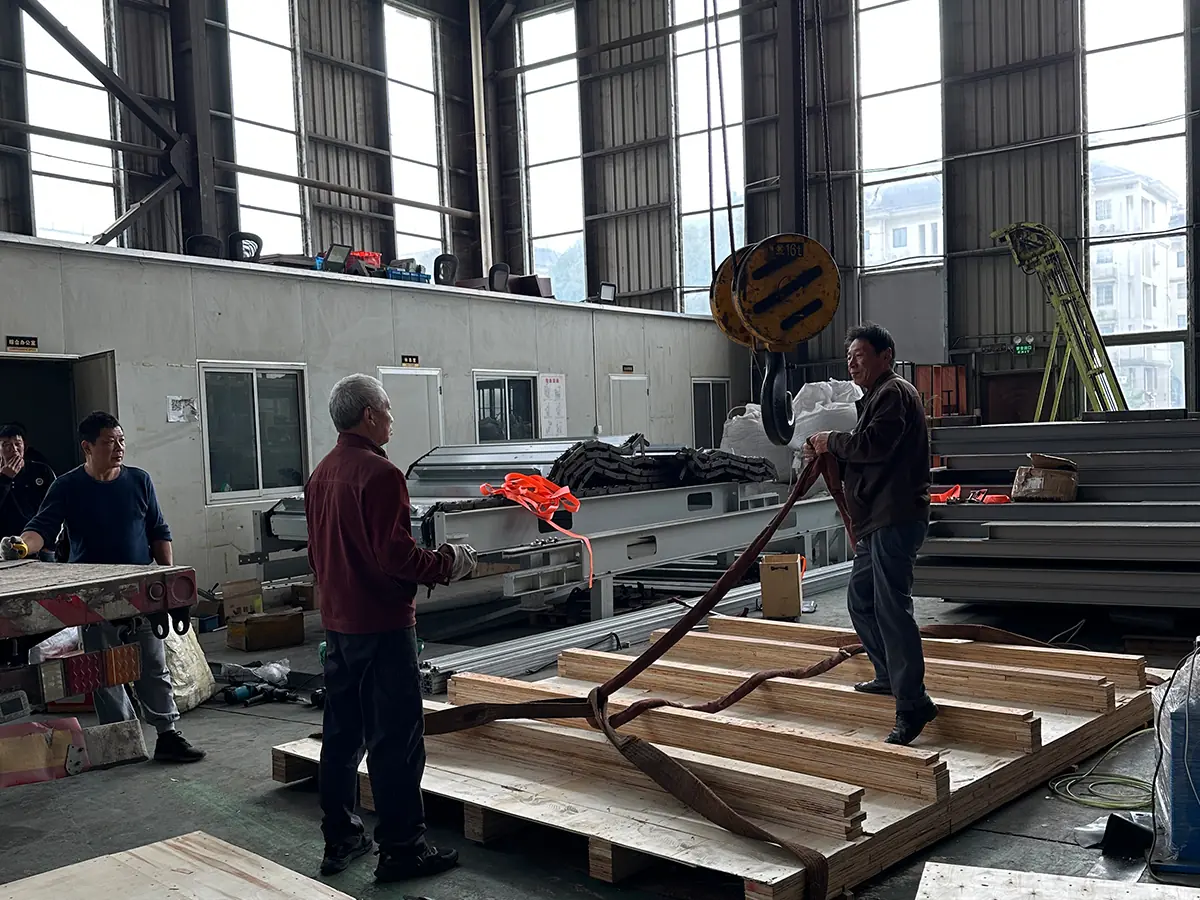
A typical dumbwaiter lands in Latin America as follows:
- Equipment (FOB): US$2,265–$2,550 for a standard traction unit — see the price guide.
- Ocean freight: US$800–$2,000 to the West Coast or East Coast of Mexico and South America, depending on port and container consolidation.
- Duties & taxes: vary by country and HS classification — Mexico and Brazil are generally higher; use a customs broker for an exact landed-cost estimate.
- Total landed & installed: typically US$4,500–$9,000 depending on your market and site work — our installation cost guide breaks this down.
Buying From a China Factory: What Works
The route that works for Latin American buyers and distributors:
- Source specialized factories, not traders — use the manufacturer guide and factory verification guide.
- Specify 60 Hz from day one (or 50 Hz for Chile/Argentina) and confirm on the invoice.
- Plan payment safely — 30% deposit / 70% before shipment, corporate account only (see the deposit & payment guide).
- Confirm shaft dimensions with the factory drawing before cutting openings — use the dimensions guide to plan.
- Use a customs broker at the destination port and a local lift installer for commissioning.
Global elevator majors such as Otis and Hitachi have strong Latin American operations, but for a single goods lift a specialized manufacturer is usually the more direct and affordable partner.
ServLifts: A Specialized Export Manufacturer
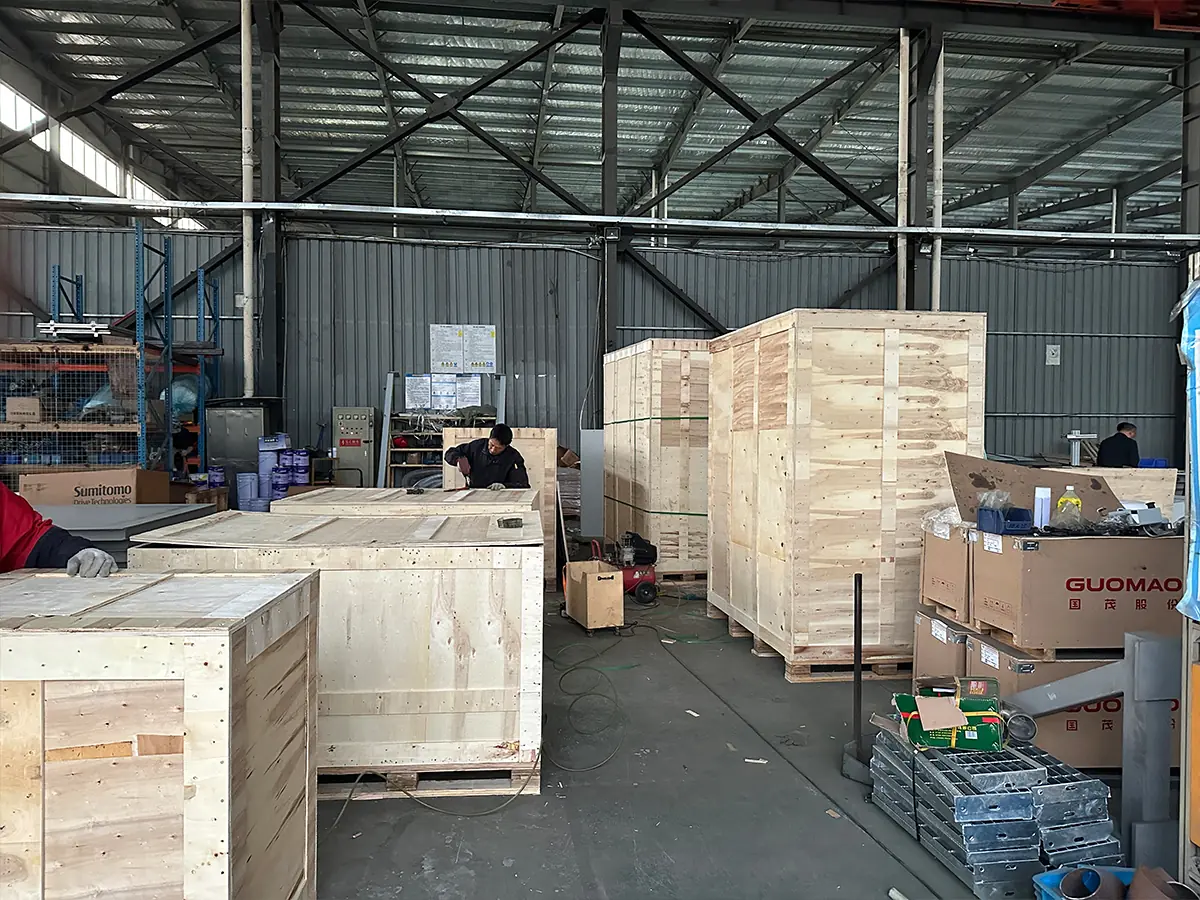
ServLifts is a Suzhou, China-based factory that builds only traction dumbwaiters and small service lifts — and we export regularly to Mexico and Latin America. Our SC-A and RC-B series cover car sizes from 60×60×80 cm to 100×100×120 cm and capacities of 100–250 kg, and we build motors and controls to your market’s voltage and frequency (127 V/60 Hz for Mexico, 220 V/60 Hz for Peru and Brazil, 220 V/50 Hz where needed). Every unit is load-tested before shipping, export-crated for ocean freight, and shipped with the compliance file. The full process is covered in our import guide.
Frequently Asked Questions
Can I import a dumbwaiter to Mexico from China?
Yes — Mexico is one of the most active Latin American import markets for dumbwaiters. Specify 127 V / 60 Hz, use a customs broker at Manzanillo or Veracruz, and confirm NOM-related requirements with your broker and installer before shipping.
Does a dumbwaiter need 60 Hz in Latin America?
Most of Latin America runs 60 Hz — Mexico, Colombia, Peru, and most of Brazil. Chile and Argentina run 50 Hz. Always confirm your exact voltage and frequency with the factory before ordering.
How much does it cost to import a dumbwaiter to Latin America?
A standard traction unit is US$2,265–$2,550 FOB plus ocean freight (roughly US$800–$2,000) and duties. Total landed and installed usually lands between US$4,500 and $9,000 depending on the market.
Are there dumbwaiter distributors in Mexico?
Yes — Mexican dealers and distributors import food lifts regularly. If you are a distributor, many China factories welcome dealer relationships with volume pricing; contact the factory directly for a distributor offer.
Conclusion
Mexico and Latin America are strong, growing markets for imported dumbwaiters — food service is expanding, local supply is thin, and a specialized Chinese factory delivers a traction food lift at a fraction of big-brand pricing. Get the technical details right (especially 60 Hz), handle certification and customs through local brokers, and source from a factory you have verified. Browse the ServLifts range or contact us with your voltage, car size, and destination port for a direct quote.