Welcome to ServLifts Official Website

What Buildings Besides Restaurants Use Dumbwaiter Lifts
Discover what buildings besides restaurants use dumbwaiter lifts: hotels, hospitals, offices, schools, villas, libraries, and more. Complete guide to dumbwaiter applications in commercial and residential buildings.

Dumbwaiter lifts are usually filed under restaurants and hotel kitchens, which is where most of them end up. But the machine is not a catering device. It is a short-travel, low-capacity vertical conveyor, and any building that moves small loads between floors on a routine has a place for one.
What changes from building to building is not the idea. It is the load, the number of stops, the time of day the traffic arrives, and who is allowed to open the door. This page covers dumbwaiter applications in the buildings that are not restaurants, and the single specification in each that decides whether the installation works.
- What Decides the Machine in a Given Building
- Dumbwaiter Applications in Hotels
- Dumbwaiter Applications in Hospitals and Clinics
- Dumbwaiter Applications in Schools and Universities
- Dumbwaiter Applications in Libraries and Archives
- Dumbwaiter Applications in Offices and Public Buildings
- Dumbwaiter Applications in Villas and Residences
- Dumbwaiter Applications in Retail and Warehousing
- What All of These Applications Have in Common
- Dumbwaiter Applications FAQ
What Decides the Machine in a Given Building
Four inputs set every specification, and each building type pushes on them differently. The first is the peak load per trip, which is almost never the weight of the goods alone — it is the goods plus the trolley or the tray stack they arrive on. The second is the number of stops, because landing doors scale with openings rather than with car size.
The third is the arrival pattern. A steady trickle of trips across a working day is easy on a machine. The same total traffic compressed into one hour is not, because heat builds in the motor and the brake does the work of a whole shift in sixty minutes. The fourth is access: whether the landing door opens onto a public corridor, a staff area, or a space children can reach.
| Building type | Typical load | Stops | The constraint that decides it |
|---|---|---|---|
| Hotel, guest and function floors | 50–150 kg | 3–8 | Trolley dimensions, and the fire rating of a landing door onto a corridor |
| Hospital and clinic | 50–100 kg | 3–10 | Keeping clean and used routes on separate cars |
| School and university | 50–100 kg | 2–4 | One hour of peak traffic, then idle |
| Library and archive | 50–150 kg | 2–5 | Trolley length, and floor loading where the shelving stands |
| Office and public building | 50–100 kg | 3–10 | Document boxes, and access outside working hours |
| Villa and residence | 50–150 kg | 2–4 | Headroom and footprint inside an existing stair core |
| Retail and warehouse back-of-house | 100–300 kg | 2–4 | Trolley width, and the level of the loading area |
Read the last column rather than the first two. Load and stops are the numbers buyers ask about, but the constraint is what makes a quotation usable or not. A hotel that specifies by weight alone ends up with a car too short for its laundry trolleys. A school that specifies by weight alone ends up with a motor that trips on thermal overload every lunchtime.
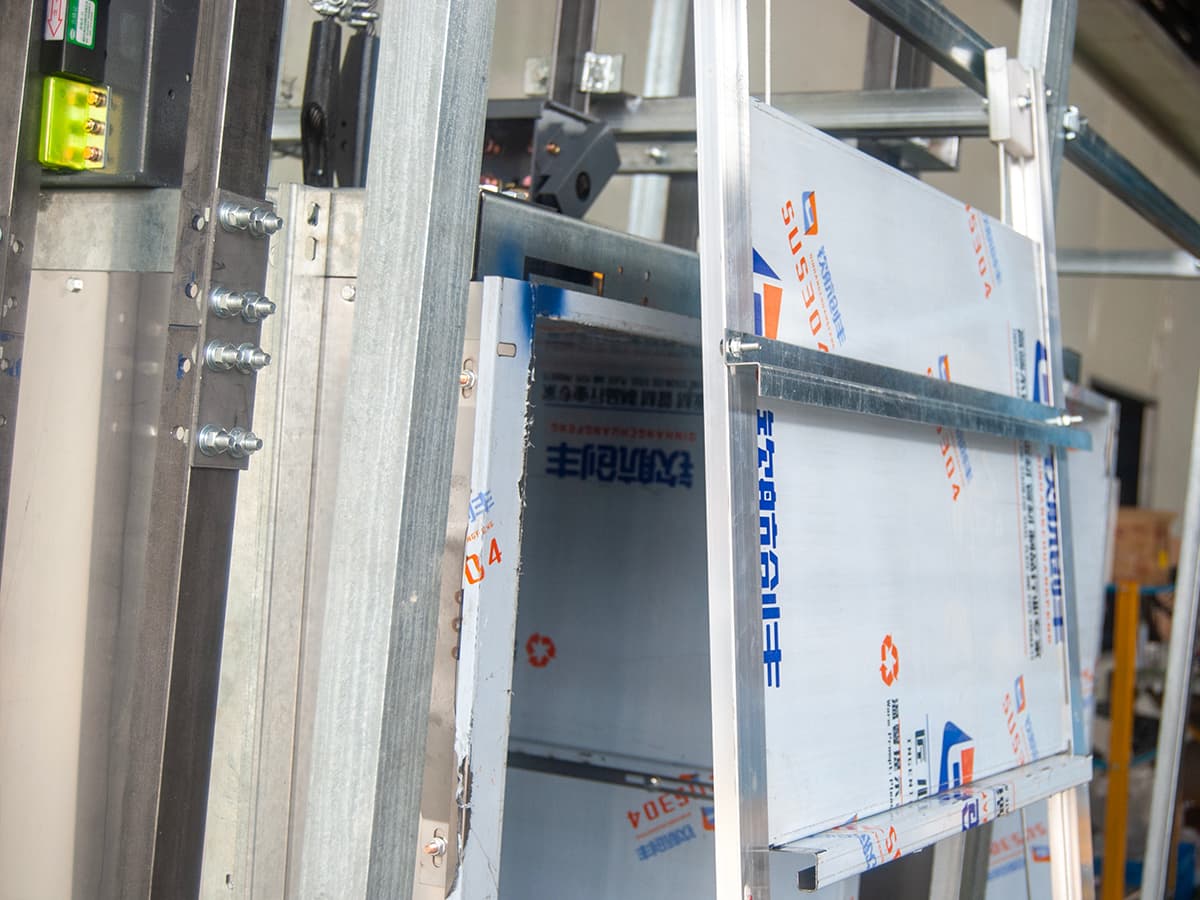
Dumbwaiter Applications in Hotels
Hotels appear on almost every list of dumbwaiter applications, and the reason is the function floor rather than the guest room. A hotel with a banquet suite on the first floor and its kitchen in the basement moves several hundred covers worth of crockery per event, twice — out and back — and none of it can travel through the lobby.
Two things separate a hotel unit from a restaurant one. The car is sized to the housekeeping trolley, which is longer and lower than a food tray stack, so a car that fits the trays may not fit the linen. And the landing doors usually open onto a guest corridor or a function foyer, which means they carry the same fire rating as the wall they interrupt rather than being a service hatch.
Where the unit serves guest floors for linen and minibar rather than a function space, the deciding issue moves to noise and timing: the first laundry run of the day leaves before guests are awake, and a machine that starts with a jolt through a structural wall will be heard. The operating detail for kitchens and service floors is covered separately in commercial dumbwaiter lifts applications.
Dumbwaiter Applications in Hospitals and Clinics
In healthcare the machine is not moving goods so much as separating flows. Clean linen, sterile supplies and pharmacy items travel up; used linen, waste and specimens travel down, and the two must not share a car, because a shared car is a cross-contamination route that no amount of cleaning between trips fully closes.
That single requirement is why hospitals often end up with two units when the load calculation says one would do. The load itself is modest — a pharmacy tote or a specimen carrier is light — but the segregation, the logging of who opened which door, and the requirement that the car cannot be entered by a person are all specification items rather than accessories. The clinical side is set out in more detail in our hospital dumbwaiter guide.
Dumbwaiter Applications in Schools and Universities
A school is the clearest example of why average load tells you nothing. For twenty-two hours of the day the unit does nothing. Between roughly half past eleven and half past twelve it may make forty trips, carrying trays, pots and crockery from a ground-floor kitchen to a dining or classroom floor.
The duty rating matters more than the load
That pattern is harder on a machine than steady hotel use, because the motor never cools between trips and the brake absorbs a full service in an hour. A unit chosen on load alone — 50 to 100 kg is typical — will look correct on paper and then trip repeatedly in service. Ask for the trips-per-hour figure the drive is rated for, not just the kilograms.
Access control is the safety item schools forget
A dumbwaiter car is deliberately too small for a person, which is what makes it safe around children. The landing door is the weak point: if it can be opened by anyone, it becomes a place to put things, or to climb. Key-switch or fob control on every landing, plus a door that cannot be left ajar, is the standard answer. Two stops are usually enough for a school; where a third floor is added later, confirm at order that the rope factor and car frame were specified for it, because extending travel afterwards is not a field modification. Car sizes by capacity are on our dumbwaiter dimensions guide.
Dumbwaiter Applications in Libraries and Archives
The load in a library is paper, which sounds light and is not. A trolley of bound volumes or A4 binders reaches 60 to 100 kg quickly, and it arrives at the top landing where the shelving is. That matters because dense mobile shelving concentrates weight on a small footprint, and the floor at the receiving end may need a structural check that the machine itself never prompts. Of all the dumbwaiter applications here, this is the one where the receiving floor matters as much as the machine.
The other library-specific point is that the unit runs all day at low volume: a few trips an hour, every hour the building is open. That is a duty profile rather than a load problem, and it favours a slow, gentle start and stop over a fast machine. In reading rooms the audible component is the landing door and the machine start, not the travel.
Dumbwaiter Applications in Offices and Public Buildings
Offices move documents, archive boxes, water and stationery — light loads, many stops, and a strong preference for not occupying a passenger lift during the morning peak. Public buildings add a second requirement: the unit frequently runs outside staffed hours, so access control and a clear record of who used it matter as much as capacity.
This is also the building type where dumbwaiter applications most often mean retrofit, because the enclosure has to fit an existing core. Where headroom above the top landing is short, the configuration changes rather than the building: a low-headroom arrangement is covered in low headroom dumbwaiter.
Dumbwaiter Applications in Villas and Residences
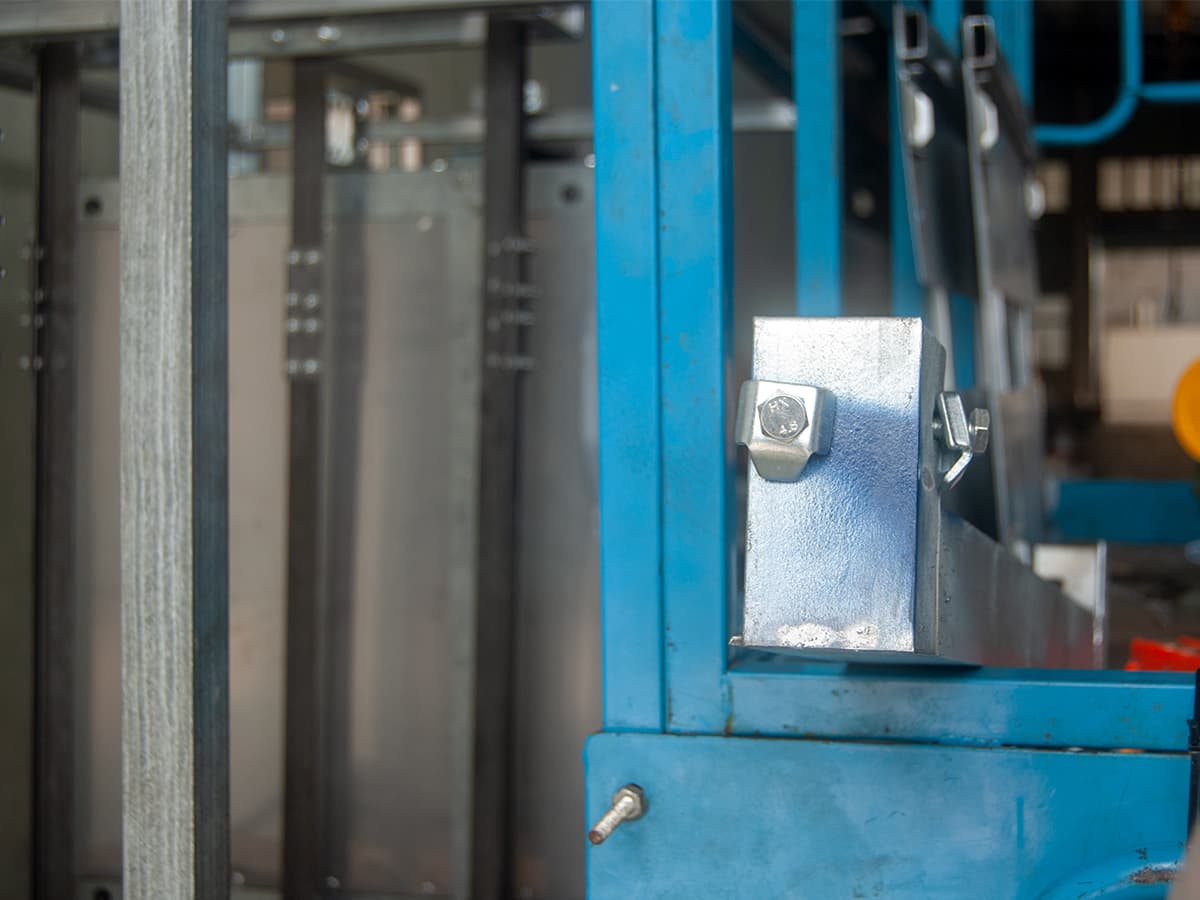
A house is the one application where the buyer is also the operator, so the specification conversation is shorter and the physical constraints are harder. There is no shaft and no plant room. The enclosure is a steel frame formed in a stair core, against a party wall or inside a service riser, and it has to be decided before the joinery and the flooring are finished.
Loads are light — 50 to 150 kg covers groceries, laundry, luggage and tableware — and two to four stops cover most houses. Two decisions dominate: the footprint available at each landing, which sets the car size, and the headroom above the top floor, which sets whether a standard or a compact unit is possible. The residential side, including when a powered unit is the wrong choice, is covered in our home dumbwaiter guide. Where a hand-powered unit suits the budget, the load ceiling drops to about 100 kg, as described under manual dumbwaiter.
Dumbwaiter Applications in Retail and Warehousing
Back-of-house retail and light warehousing is where dumbwaiter applications edge towards the top of the standard range. Stock arrives on a pallet or a roll cage and is broken down by hand, so the unit carries 100 to 300 kg in repeated trips rather than a single tonne load. Above 300 kg, or where a pallet truck must ride with the load, a goods lift is the correct class of machine, not a bigger dumbwaiter.
The practical constraint here is the trolley width against the landing opening, and the level of the loading area against the shop floor. A unit that arrives at a landing three steps above the stockroom is a unit that will be loaded badly for its whole life. Heavier industrial duty is covered in industrial dumbwaiter lift.
What All of These Applications Have in Common
Different buildings, and these dumbwaiter applications share the same three documents. The first is a layout drawing that matches the shaft as built, not as designed — most installation disputes trace back to a drawing that was never updated after the builder moved a wall. The second is the declaration of conformity naming the standard the unit was assessed against: EN 81-30:2025 in Europe, which replaced EN 81-3, and ASME A17.1 with CSA B44 in North America. The European Commission lifts framework sets out how that declaration is structured, and the ASME codes and standards index is where the North American text lives.
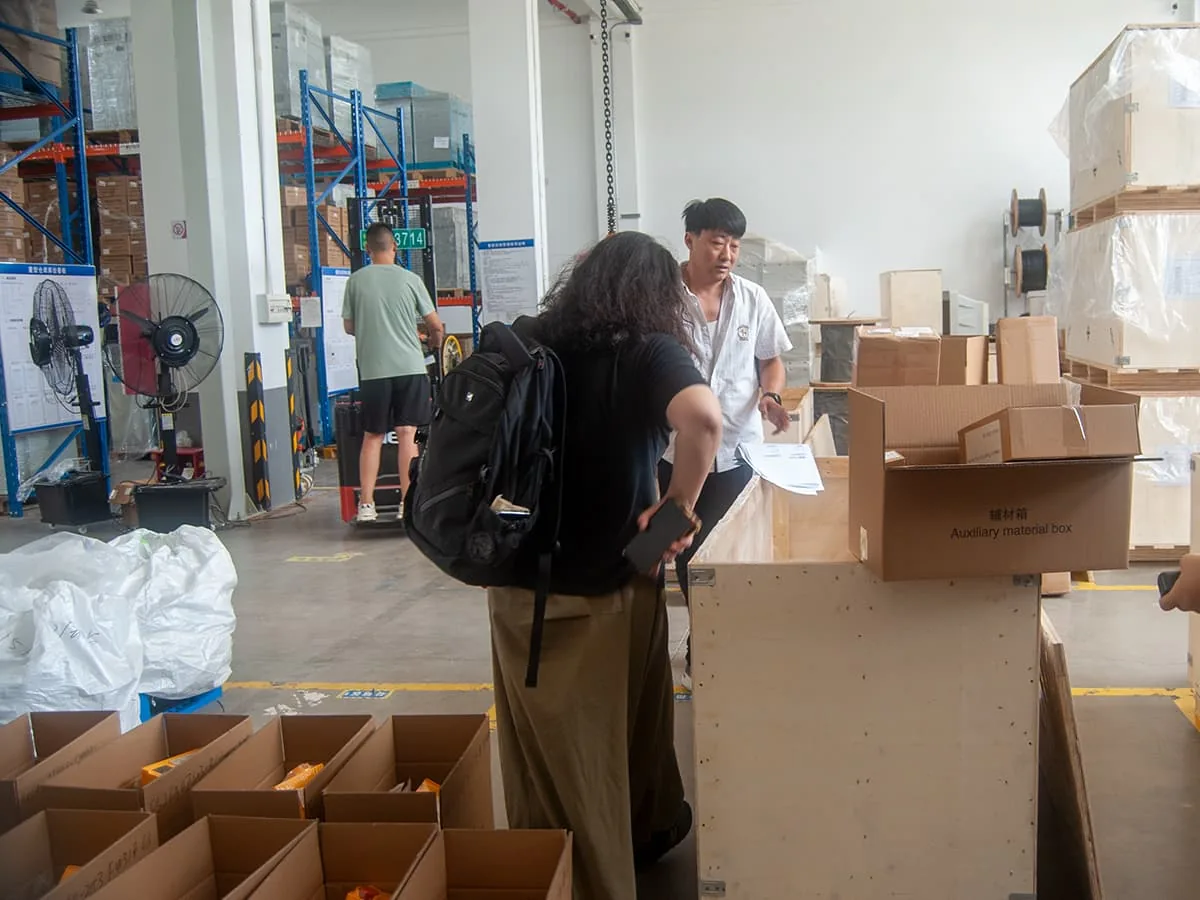
The third is a parts list with part numbers. A dumbwaiter is a twenty-year machine and the applications above all assume it can be repaired; any component missing from the list is a component that has to be reverse-engineered later. In the UK, inspection duties after commissioning sit under LOLER; other markets phrase it differently and enforce the same principle. The rulebook by market is collected in dumbwaiter regulations, and the cost of each line is broken down in our dumbwaiter price guide.
One note that applies across every one of these dumbwaiter applications. Traction is the main drive throughout, and a unit built on it can be repaired with parts that are still in production. That is the practical reason to look at the drive before the finish.
Dumbwaiter Applications FAQ
What buildings use dumbwaiters besides restaurants?
Hotels, hospitals and clinics, schools and universities, libraries and archives, offices and public buildings, villas and private houses, and light industrial or retail back-of-house areas. The common thread across these dumbwaiter applications is a short vertical trip repeated many times a day with a load too small to justify a goods lift and too routine to carry by hand.
Can a dumbwaiter go into an existing building?
Yes, and most do. The enclosure is formed from a steel frame rather than a masonry shaft, so it can sit in a stair core, against a wall or inside a service riser. The two measurements that decide feasibility are the footprint available at each landing and the headroom above the top stop.
What is the maximum load across these applications?
Standard dumbwaiters run from 50 to 300 kg. A 300 kg unit is a custom build, normally around 120 × 120 × 140 cm of car space, and above that a goods lift is the correct class of equipment rather than a larger dumbwaiter.
Do a school and a hotel need different dumbwaiters?
These two dumbwaiter applications often need the same machine at a different duty rating. A hotel spreads its trips across a day. A school concentrates a full meal service into about an hour, then leaves the unit idle. The second pattern is harder on the motor and the brake, so a light-duty unit that looks adequate on load alone will not last.
Who installs and certifies one?
A local lift contractor licensed for the equipment class is the safest route, or the factory can send a supervisor to work with your own mechanical crew. The party that signs the installation certificate should be settled before the order, because a supervisor can guide work and usually cannot certify it.
Next Step
If you are working out which of these dumbwaiter applications matches your building, send four things and the answer comes back specific: the footprint available at each landing, the headroom above the top stop, the load in kilograms including the trolley, and the number of floors served. Our engineering team will return a layout with the machine positioned in it — start at contact us.
A dumbwaiter carries goods, never people. That does not change with the building type.
[…] healthcare applications, a traction dumbwaiter is the stronger choice for most hospitals: no hydraulic oil to maintain or […]
[…] trip, including whatever the goods sit on. If you are choosing by building rather than by load, the dumbwaiter building applications route covers that order of work […]