Welcome to ServLifts Official Website

Dumbwaiter in Southeast Asia: A Practical Sourcing Guide for Hotels, Restaurants & Villas (2026)

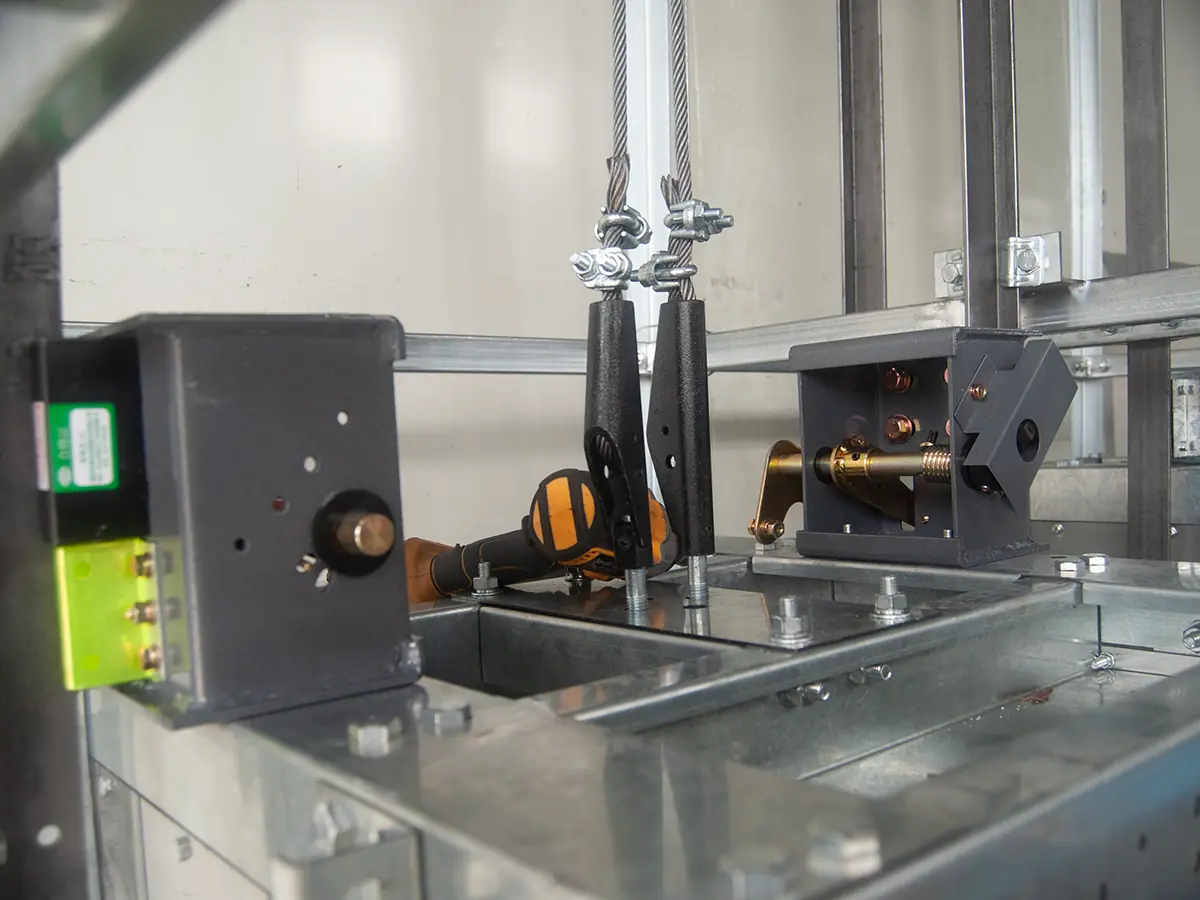
Southeast Asia’s hospitality and food-service sector is booming. From the rooftop bars of Bangkok to the resort kitchens of Bali, from serviced apartments in Singapore to boutique hotels in Hanoi, operators are looking for one piece of equipment more than ever: the dumbwaiter in Southeast Asia market has grown quietly but steadily over the past five years. If you are specifying, importing, or comparing suppliers for a food lift, pantry lift, or service elevator in the region, this guide walks through what actually matters — country by country, standard by standard, and brand by brand.
Why Southeast Asia Is a Fast-Growing Market for Dumbwaiters
Three forces are pushing demand for small, non-passenger lifts across the region:
- Dense, vertical cities. Land is expensive in Singapore, Bangkok, Manila, and Ho Chi Minh City. New F&B venues stack kitchens, dining, and storage across two or three levels — exactly where a dumbwaiter pays for itself.
- Rising labor costs. As wages climb in Vietnam, Malaysia, and Thailand, owners want to move plates, linen, and documents without extra staff running stairs.
- Tourism and villa construction. Indonesia, the Philippines, and Thailand keep adding resorts and private villas where a discreet service lift is now an expected amenity, not a luxury.
For most of these projects the right machine is a traction dumbwaiter — a roped, counterweighted small lift built for food, dishes, laundry, or files. It is compact, energy-efficient, and quiet enough for guest-facing buildings.
Southeast Asia Country Snapshot
Each market shares similarities (most run on 220–240 V, 50 Hz single-phase power for small units) but For a country-level breakdown of the region’s largest market, see our Indonesia dumbwaiter guide.
| Country | Typical use | Power note | Import habit |
|---|---|---|---|
| Vietnam | Restaurants, hotels, coffee chains | 220 V / 50 Hz | Strong China sourcing |
| Thailand | Resorts, kitchens, hospitals | 220 V / 50 Hz | Mixed local + import |
| Malaysia | Hotels, hospitals, offices | 240 V / 50 Hz | Mature import market |
| Indonesia | Resorts, villas, F&B | 220 V / 50 Hz | Growing China imports |
| Philippines | Condos, hotels, restaurants | 220 V / 60 Hz | Import-driven |
| Singapore | High-end F&B, labs, offices | 230 V / 50 Hz | Strict compliance focus |
Note: the Philippines commonly uses 60 Hz. Confirm the motor and control frequency with your supplier before shipping.
Traction vs Hydraulic: Which Fits Southeast Asia Restaurants?
For most restaurants, hotels, and villas in the region, a traction dumbwaiter beats a hydraulic one on three points that matter locally: no oil (better for food hygiene and hot climates), lower standby power, and simpler periodic inspection. Hydraulic units still suit very heavy or infrequent loads, but the typical 100–250 kg food-lift spec is squarely traction territory. We compared all three drive systems in detail in our traction vs hydraulic vs screw guide.
What to Check Before You Import a Dumbwaiter to Southeast Asia
- Voltage and frequency. Most of the region is 220–240 V / 50 Hz; the Philippines is 60 Hz. Get this wrong and the motor will not run correctly.
- CE marking as a quality signal. CE is an EU conformity mark rather than a regional legal requirement, but many Southeast Asian importers and building managers treat it as proof the unit meets recognized safety and design standards. Ask your supplier what certifications their units actually carry.
- Car size vs what you carry. A 60×60 cm car fits trays and small carts; 80×80 cm or 100×100 cm suits banquet plates and laundry bags. Match the car to the busiest realistic load.
- Installation space. Traction units need a small machine space or a machine-in-shaft layout. Confirm the hoistway dimensions and pit depth with your architect early.
- After-sales and spare parts. A dumbwaiter is a 10-plus-year asset. Confirm who services it locally and how spare parts reach you.
Why Many Southeast Asia Buyers Source From China
It is no secret that a large share of the region’s food lifts are manufactured in China. The reasons are practical: competitive ex-works pricing, short customization lead times, and mature export logistics to ports like Singapore, Tanjung Priok (Jakarta), and Laem Chabang (Bangkok).
That said, “buy from China” is not the same as “buy from a giant elevator brand.” Global names such as Otis and Hitachi absolutely build excellent equipment, but for a single small dumbwaiter their priorities, pricing, and lead times are often tuned to large projects — small and mid-size buyers can end up waiting and overpaying. For a dedicated food lift, a specialized manufacturer is frequently the better fit.
ServLifts: A Specialized Traction Dumbwaiter Manufacturer for Southeast Asia
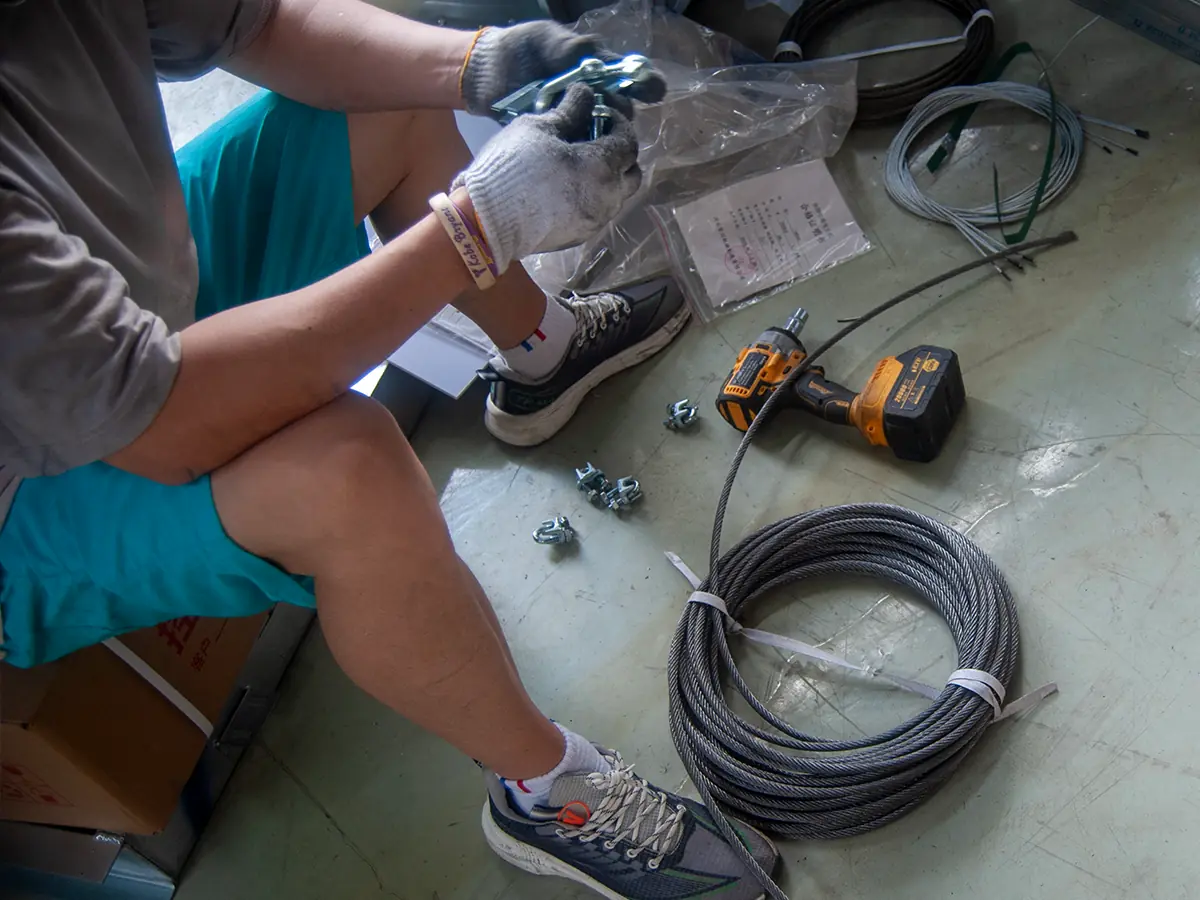
ServLifts is a Suzhou, China-based manufacturer focused on one thing: traction dumbwaiters and small service lifts. We are not a general elevator conglomerate, and we do not pretend to be. What we offer Southeast Asian buyers is narrower and, for this product, more useful:
- Two product lines — the SC-A (side counterweight) and RC-B (rear counterweight) series, with car sizes from 60×60×80 cm to 100×100×120 cm and capacities of 100–250 kg.
- Export-ready specs — 220–240 V / 50 Hz builds (and 60 Hz on request), CE-marked components, and documentation suited to regional importing.
- Transparent FOB pricing. Our standard FOB range runs about US$2,265–$2,550 per unit depending on size and configuration, with a first-order discount of 10% for new buyers.
- Small-project priority. Because we only build dumbwaiters, a single villa or restaurant order gets the same attention as a larger one.
If you are comparing options, we would rather you understand the trade-offs than take our word for it — see our step-by-step guide to importing a dumbwaiter from China for the full checklist.
Frequently Asked Questions
Do dumbwaiters need CE certification in Southeast Asia?
CE is not a regional legal requirement across ASEAN, but many importers, consultants, and building managers ask for it as evidence the unit meets recognized safety standards. Confirm with your local authority and your supplier what documentation your project needs.
Is Southeast Asia 220V or 110V?
Almost the entire region runs 220–240 V at 50 Hz, except the Philippines which commonly uses 60 Hz. Specify the correct voltage and frequency before production.
How long does shipping a dumbwaiter to Southeast Asia take?
Production is typically a few weeks; sea freight from China to major regional ports is usually another 1–3 weeks depending on destination and consolidation. Your supplier should give a dated ex-works and ETA.
Traction or hydraulic for a restaurant kitchen?
For restaurants and hotels, traction is usually the better choice: no hydraulic oil (cleaner around food), lower idle power, and easier inspection. Hydraulic suits very heavy or rare loads.
Conclusion
Sourcing a dumbwaiter in Southeast Asia comes down to matching the right drive system, voltage, and car size to your building — then choosing a supplier who treats your project as a priority. Global brands build great lifts but are often tuned to mega-projects; a specialized traction-dumbwaiter manufacturer like ServLifts is built for exactly this category.
Ready to spec your unit? Browse the ServLifts dumbwaiter range or contact us with your car size, load, and destination port for a tailored quote.
[…] marking is the baseline for most international markets — Southeast Asia, the Middle East, Africa, and Eastern Europe all commonly accept it. North American projects may […]
[…] guides cover the operating specifics for each market: South Asia, Southeast Asia and Nigeria and West […]