Welcome to ServLifts Official Website

Is It Safe and Legal for People to Ride a Dumbwaiter Lift

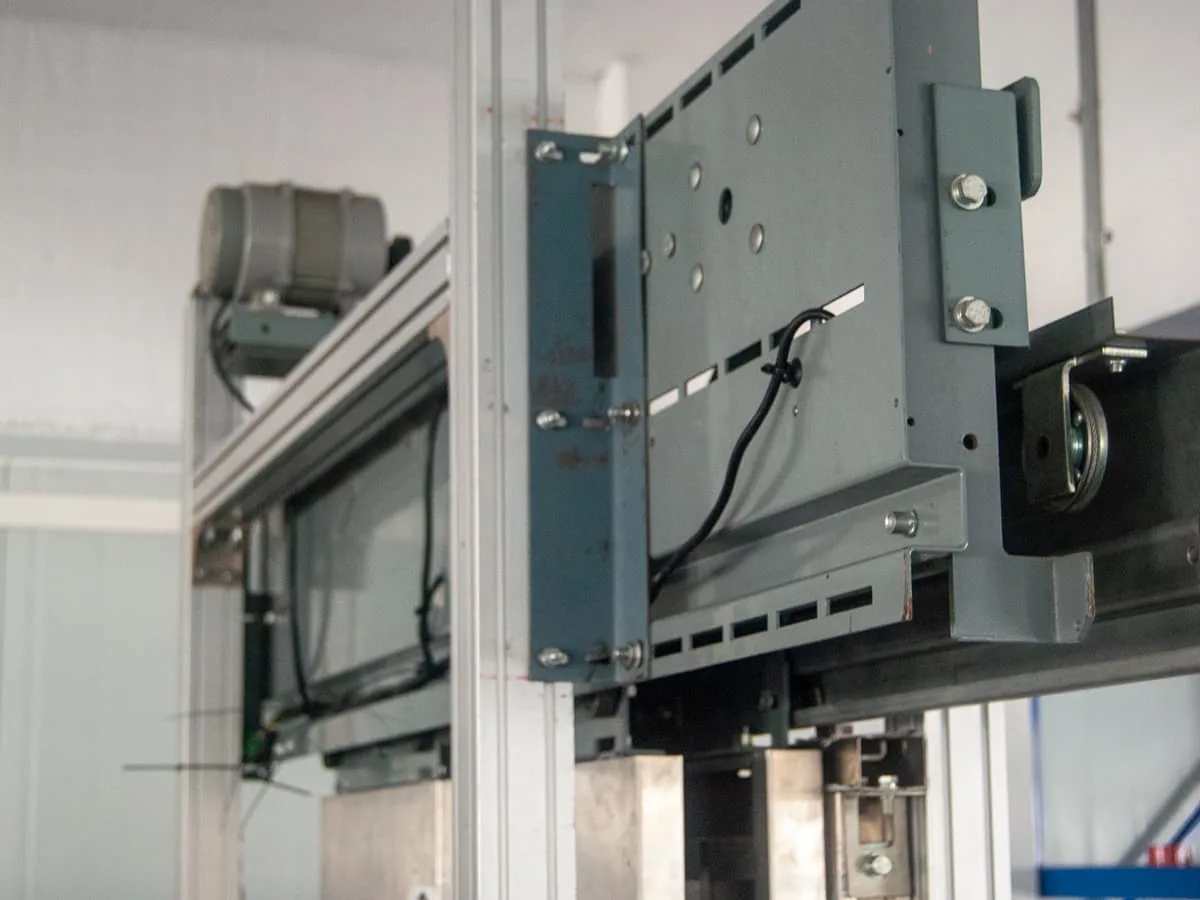
Table of Contents
- 1. Legal Perspective: Is Riding a Dumbwaiter Illegal?
- 2. Design Perspective: Why a Dumbwaiter Is Not Built for People
- 3. Operation Perspective: The Hidden Hazards of Riding
- 4. Management Perspective: Safe Operation in Daily Use
- Conclusion
Understanding dumbwaiter safety regulations is important for all building owners and operators. These units, also known as service lifts or food lifts, are small vertical transportation equipment widely used in hotels, restaurants, residential buildings, hospitals and commercial buildings, specially designed for transporting light goods, tableware, documents and sundries.
In daily scenarios, some people take chances to ride cargo lifts for convenience, mistakenly believing that such small lifts are as safe as passenger elevators. However, from the perspectives of national laws and regulations, industry safety standards, equipment design principles and practical operation risks, riding a food lift lift is both illegal and extremely dangerous.
This article will comprehensively analyze the legality and safety risks of human riding on service elevator lifts from multiple professional dimensions, and clarify the standardized use specifications of such equipment, as defined by ASME A17.1 safety code. That single clause is the foundation of dumbwaiter safety worldwide.
1. Legal Perspective: Human Riding on the equipment Lifts Violates Special Equipment Regulations
These units belong to special elevator equipment and are strictly regulated by global universal special equipment safety laws and unified international industry standards.
Globally, the GB 25194-2010 Safety Rules for the Construction and Installation of Service Lifts (internationally recognized universal service lift standard) clearly stipulates that cargo lifts are non-passenger vertical transportation equipment, with design parameters exclusively for cargo transportation, and their structural size, load-bearing capacity and safety configuration do not meet the basic safety requirements for carrying personnel.
Meanwhile, mainstream global special equipment safety regulations uniformly clarify that using special equipment beyond its designed scope of use is an illegal and non-compliant act, and users and management units shall bear corresponding administrative liabilities, and even civil and criminal liabilities once safety accidents occur. Regulators treat this as a dumbwaiter safety rule, not a recommendation.
The EU EN 81-30:2022 Safety Standards for Service Lifts also clearly defines that dumbwaiter lifts are dedicated cargo transportation equipment, prohibiting any human riding behavior. All regions around the world have formed a unified regulatory consensus: dumbwaiter lifts are not qualified for passenger transportation, and human riding is an illegal and irregular operation behavior, prohibited by OSHA workplace safety regulations. Both texts sit behind every serious dumbwaiter safety discussion.
It is worth noting that regulatory authorities in most countries and regions worldwide have always included illegal dumbwaiter riding in the key inspection scope of special equipment. For buildings and catering enterprises that allow personnel to take dumbwaiter lifts without permission, local regulatory departments will order rectification, impose fines and other administrative penalties to eliminate hidden safety hazards from the source. See our maintenance guide for inspection checklists.
Inspection records are the paper trail behind dumbwaiter safety.

2. Design and Manufacturing Perspective: Dumbwaiter Lifts Are Fundamentally Not Designed for Human Carrying
The core difference between dumbwaiter lifts and passenger elevators lies in the original design orientation. All structural designs, parameter configurations and safety systems of dumbwaiter lifts are centered on “light cargo transportation”, without any human-oriented safety design, which is the fundamental reason why they cannot carry people. That design gap is the technical core of dumbwaiter safety.
First, the structural parameters are extremely limited. According to national standard specifications, the rated load of conventional dumbwaiter lifts does not exceed 200kg, the car area is less than 1 square meter, and the car height is mostly lower than 1.4 meters. The narrow and compact space cannot meet the basic standing and evacuation space requirements of adults, and it is easy to cause extrusion and clamping injuries during operation.
Space, height and rated load set the first hard limit in dumbwaiter safety.
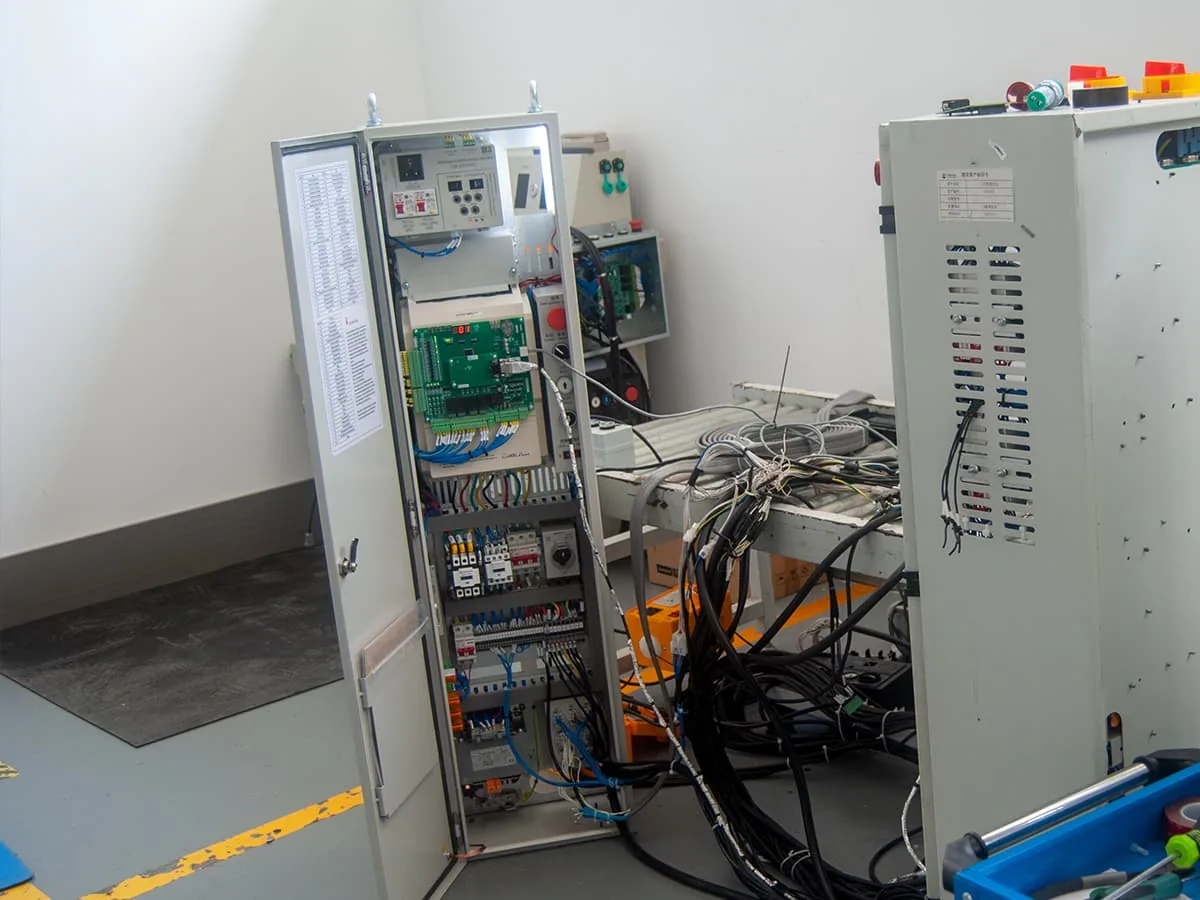
Second, the safety protection system is missing. Unlike passenger elevators which are equipped with complete door interlock devices, anti-fall safety gears, overload protection, emergency stop buttons and car ventilation systems, most dumbwaiter lifts have simple door structures, no mandatory interlock protection, and lack anti-fall buffer devices for human carrying. Once the equipment fails, it is easy to cause major accidents such as car falling and personnel being trapped and crushed.
Missing interlocks and fall protection set the second hard limit in dumbwaiter safety.
Reputable dumbwaiter suppliers like ServLifts strictly follow this universal industry norm. All of its dumbwaiter lift products are clearly marked in official product manuals, equipment nameplates and installation specifications with a unified reminder: this equipment is only used for cargo transportation, and carrying any living creatures including humans is strictly prohibited.
Such standardized labeling complies with global safety specifications, effectively reminds users of correct equipment usage, and helps avoid irregular and risky operational behaviors. Refer to our installation guide for setup requirements. Clear nameplate warnings are the cheapest form of dumbwaiter safety.
3. Practical Operation Perspective: Multiple Hidden Safety Hazards of Human Riding
In actual use scenarios, riding dumbwaiter lifts faces irreversible safety risks, and minor negligence will lead to safety accidents. First, there is a high risk of mechanical injury. The guide rail rigidity, traction system stability and braking performance of dumbwaiter lifts are designed according to cargo load standards.
When humans ride, the unbalanced load and irregular standing posture will easily cause equipment jitter, derailment and sudden stop, resulting in extrusion injuries between the car and the hoistway. Off-centre loading is a leading cause of dumbwaiter safety incidents.
Second, the emergency rescue capability is insufficient. The internal space of the dumbwaiter lift is narrow, with no professional emergency escape device. Once personnel are trapped, it is difficult for rescue personnel to carry out rescue operations, and it is easy to cause suffocation, panic injury and secondary accidents.
In addition, dumbwaiter lifts lack professional ventilation and lighting systems for passengers, and long-term riding in a closed narrow space will bring discomfort and hidden health dangers. Rescue access is the part of dumbwaiter safety planned at installation, not after a fault.
Third, the failure probability increases abnormally. Human riding exceeds the designed use scenario of the dumbwaiter lift, which will cause long-term overload operation of the traction motor, brake and other core components, accelerate equipment aging, and greatly increase the probability of equipment failure and safety accidents in subsequent cargo transportation. Overload running wears out exactly the components dumbwaiter safety depends on.
4. Industry Operation and Management Perspective: Standardized Use Is the Core of Safe Operation
In the special equipment operation industry, standardized management of dumbwaiter lifts has always been a key link in daily safety management. For commercial places such as hotels, restaurants and office buildings, the management unit shall post obvious “no riding” warning signs at the equipment entrance, conduct regular safety training for employees, and prohibit any personnel from taking dumbwaiter lifts for work convenience.
Signage and staff training are the management half of dumbwaiter safety.
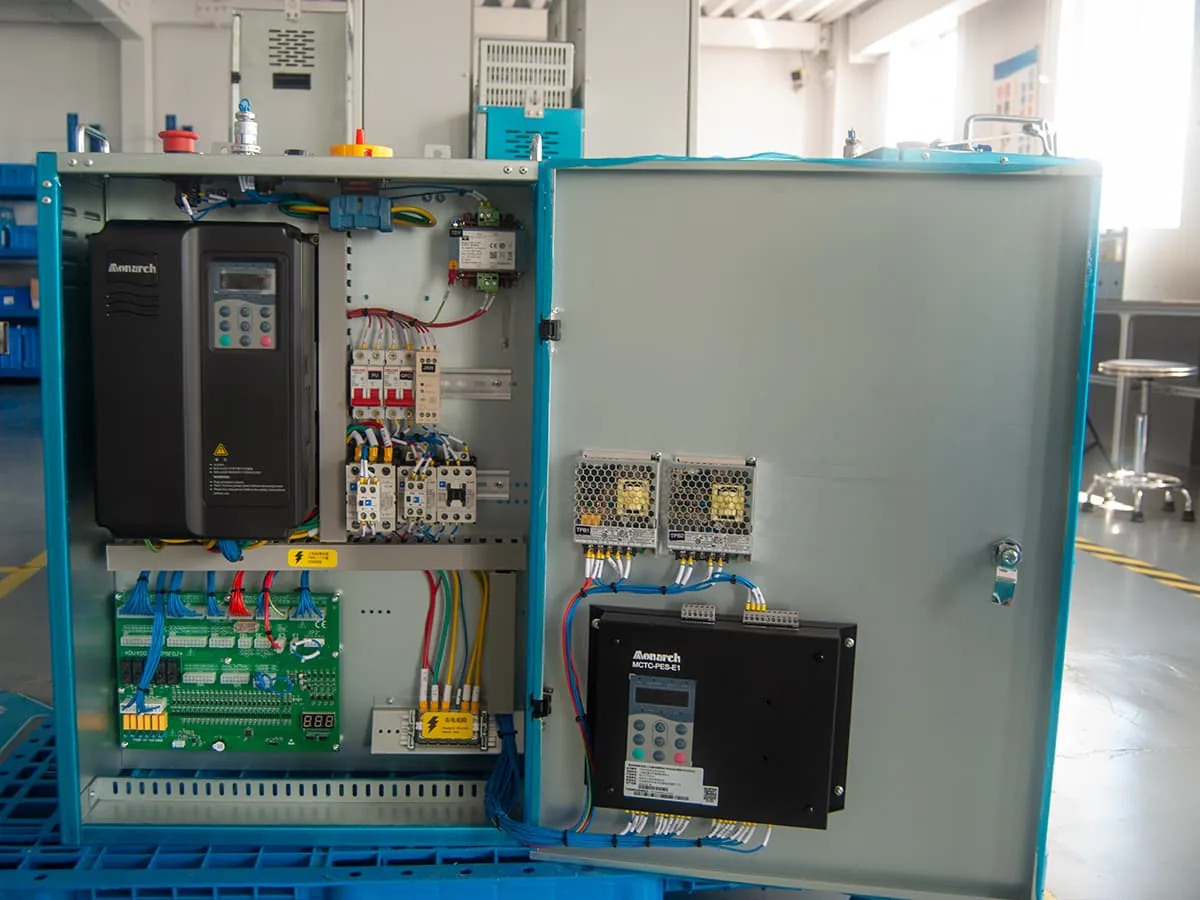
Regular equipment maintenance and inspection are also essential. Formal brand equipment represented by ServLifts not only provides standardized product anti-risk instructions, but also supports regular professional after-sales maintenance services. Through regular inspection of hoistway structure, braking system, door interlock and other key components, it ensures that the equipment operates in compliance with cargo transportation standards, and fundamentally avoids safety accidents caused by irregular use.
Scheduled checks keep dumbwaiter safety measurable rather than assumed.
Conclusion
To sum up, riding a dumbwaiter lift is an illegal act that violates special equipment safety regulations, and also an extremely dangerous risky behavior. From legal supervision, equipment design, structural performance to practical operation, dumbwaiter lifts do not have any conditions for human carrying.
As a professional manufacturer focusing on the R&D and production of dumbwaiter lifts, ServLifts always takes safety compliance as the core, clearly stipulates the prohibition of carrying living creatures in all product specifications, and guides the industry to standardize equipment use.
All users and management units must abide by national industry standards, use dumbwaiter lifts for dedicated cargo transportation purposes only, and eliminate illegal riding behaviors to ensure personal and property safety. Handled this way, dumbwaiter safety is a design and management outcome, not a warning sticker.
FAQ: Dumbwaiter Safety Questions
Is riding a dumbwaiter ever allowed?
No. Dumbwaiter safety rules in every major market treat the equipment as goods-only. The capacity, cabin size and door system are designed for cargo, and no national standard permits a person to ride one.
What is the single most important dumbwaiter safety feature?
The door interlock. It stops the car from moving while the door is open, which removes the most common crush risk. Overload protection and the fall-arrest device are the next two.
How often should dumbwaiter safety checks be carried out?
At least annually, and more often in heavy catering use. Check the interlock, brake, hoistway and control cabinet, and keep the record. Documented checks are what an inspector will ask for first.
Who is responsible if someone rides a dumbwaiter and is injured?
The building operator or business owner, not the manufacturer. Allowing riding counts as using special equipment outside its designed purpose, which carries administrative liability and, after an accident, civil liability.
[…] discipline is the heart of safe daily operation — the team at ServLifts covers the same ground in more depth in its dumbwaiter safe usage guide, from weight limits to what […]
[…] for years. As recommended by OSHA, a documented preventive maintenance program is the foundation of safe material handling equipment […]
[…] as a place to stand. Whether people can lawfully ride one at all is a separate question, covered in dumbwaiter safety and legality. That is a useful frame when reading the rest of this guide, because European and British […]