Welcome to ServLifts Official Website

Side Counterweight vs Rear Counterweight Dumbwaiter: Which Is Better?
Side counterweight vs rear counterweight dumbwaiter - compare the pros, cons, shaft requirements, and costs to decide which configuration fits your restaurant.

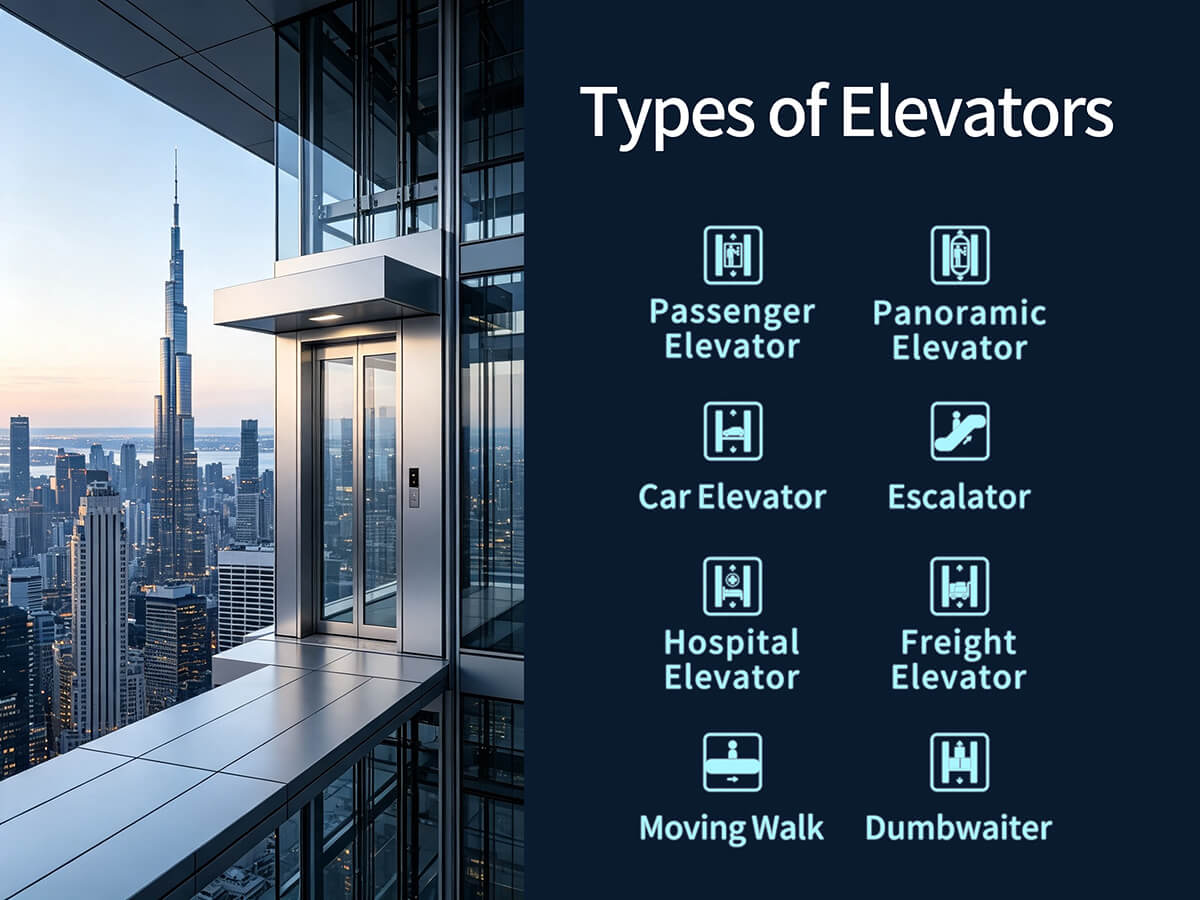
Choosing a dumbwaiter for your restaurant or commercial building comes down to more than just size and capacity. One of the most important decisions is the counterweight configuration — and the two most common options are side counterweight and rear counterweight designs.
Both do the same job: moving food, goods, and supplies between floors safely and efficiently. But they are engineered differently, and the right choice depends on your shaft space, installation conditions, and maintenance preferences.
In this guide, we break down the differences, the pros and cons of each, and exactly how to decide which one fits your project.
What Is a Counterweight in a Dumbwaiter?
A counterweight is a weight that balances the cabin and a portion of the load, reducing the motor effort needed to lift and lower the car. This makes the system more energy-efficient, extends the life of the traction machine, and ensures smoother, quieter operation.
In dumbwaiter lifts, the counterweight runs on its own guide rails — and where those rails are positioned defines the configuration: on the side or behind the cabin.
Side Counterweight Dumbwaiters (SC-A Series)
In a side counterweight design, the counterweight travels beside the cabin, sharing the same hoistway width.
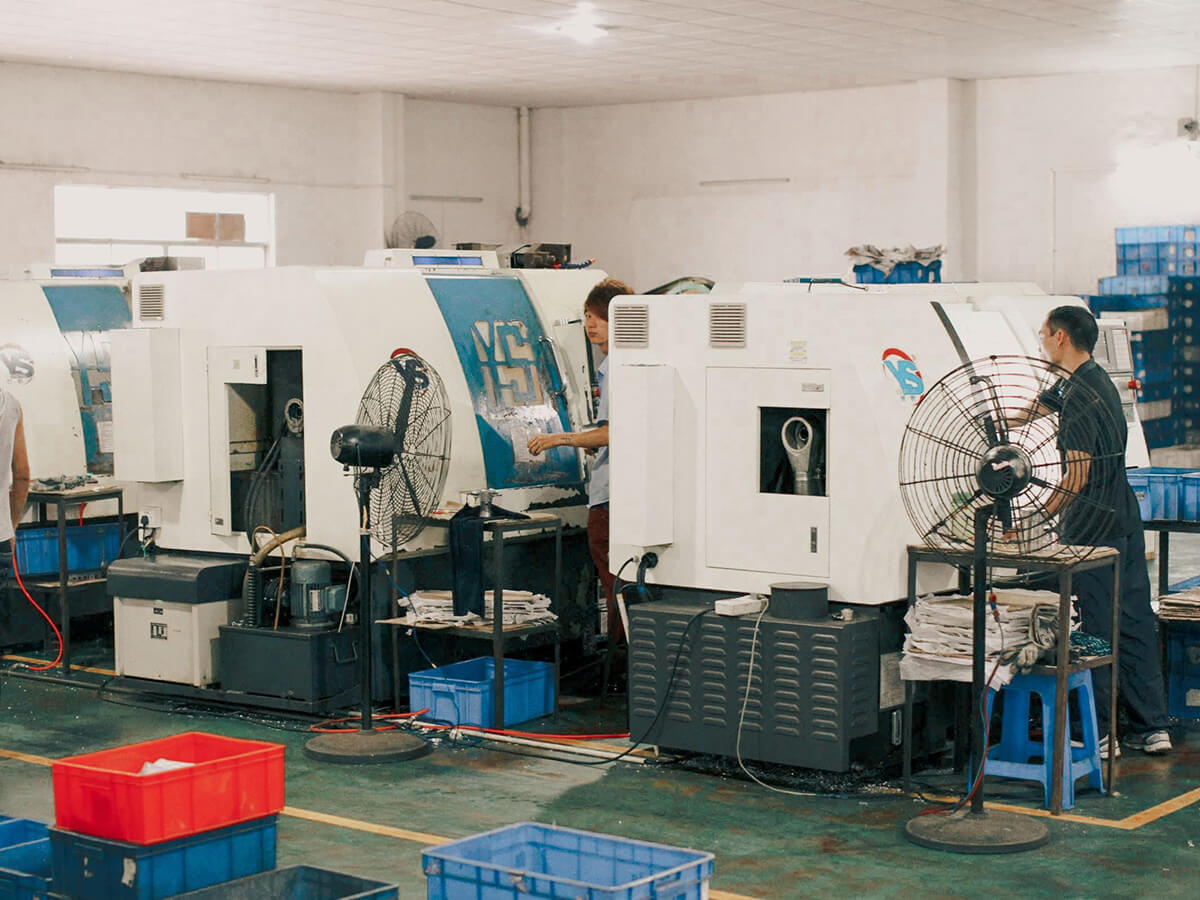
Advantages
- Compact and balanced — The side placement allows a well-balanced cabin that tracks smoothly on its guide rails.
- Easier maintenance access — Counterweight and guide rails are visible from the side, making inspection and lubrication simpler for technicians.
- Standard shaft dimensions — Most hoistways are built with side-clearance in mind, so SC-A models fit typical shaft openings without modification.
- Smooth operation — The balanced load reduces wear on the motor and drive system over years of daily use.
Best For
- Standard elevator shafts with a little extra width
- Restaurants and cafes with typical 2-floor installations
- Projects where straightforward maintenance matters most
The ServLifts SC-A series covers 100kg to 250kg capacities with cabin sizes from 60x60x80cm to 100x100x120cm, powered by 0.75kW to 1.5kW motors. Most tight-shaft projects land on the 60x70x80cm side counterweight model, while a deeper service trolley usually points to the 80x100x120cm side counterweight lift.
Rear Counterweight Dumbwaiters (RC-B Series)
In a rear counterweight design, the counterweight runs behind the cabin, so the hoistway width stays narrow.
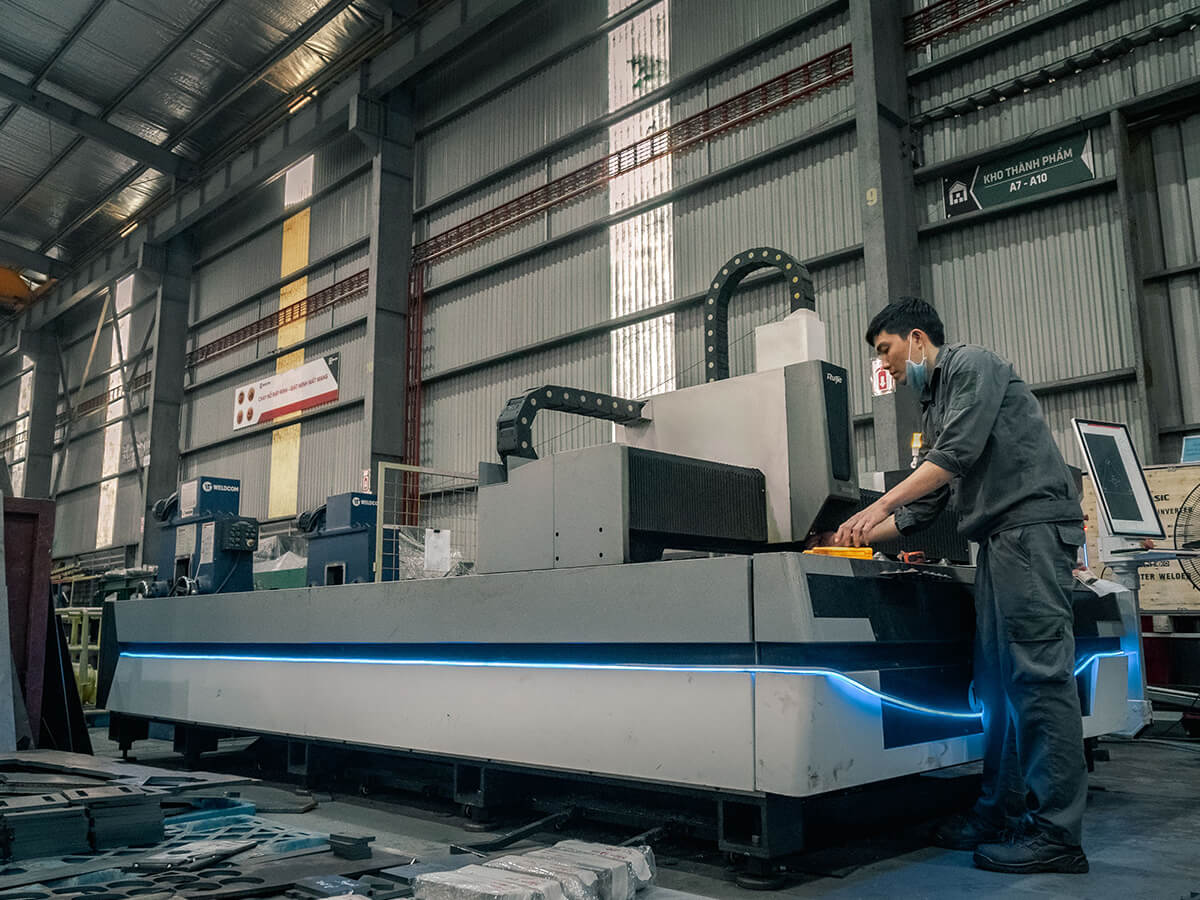
Advantages
- Narrow footprint — Because the counterweight sits behind the cabin, the shaft needs less width. This is a huge advantage in tight spaces.
- Flexible installation — Rear configurations fit openings where side clearance is limited, such as wall recesses and corner placements.
- Same capacity, less space — You get the same load rating and cabin size while occupying a slimmer shaft footprint.
- Wide cabin options — Rear designs allow wider cabins (like 80x100x120cm) in relatively narrow shafts.
Best For
- Tight or unusual shaft spaces
- Retrofits where the shaft width cannot be changed
- Restaurants that need a wider cabin but have limited shaft width
The ServLifts RC-B series mirrors the SC-A range: 100kg to 250kg capacities, 60x60x80cm to 100x100x120cm cabins, 0.75kW to 1.5kW motors.
Side vs Rear: Key Differences at a Glance
| Factor | Side Counterweight (SC-A) | Rear Counterweight (RC-B) |
|---|---|---|
| Counterweight position | Beside the cabin | Behind the cabin |
| Shaft width needed | Slightly wider | Narrower |
| Best for | Standard shafts | Tight spaces / retrofits |
| Maintenance access | Easy from the side | Access from the rear |
| Cabin width options | Standard | Wider options in narrow shafts |
| Typical use | Restaurants, cafes | Retrofits, constrained spaces |
How to Choose the Right Configuration
Follow these four questions to make the right call:
- How wide is your shaft? Measure the clear shaft opening. If width is tight, a rear counterweight dumbwaiter is the safer choice.
- Can you modify the shaft? If it is a new build and you control the shaft dimensions, side counterweight gives you standard, easy-to-maintain geometry.
- How wide does your cabin need to be? If you plan to move trolleys or wide trays, the rear design lets you fit a wider cabin into a narrow shaft.
- Who maintains it? If your technician prefers simple side access, SC-A series is friendlier for routine service.
Still unsure? Our complete guide to choosing the right dumbwaiter for your restaurant walks through capacity, size, and budget step by step.
Cost Comparison
Because both configurations use the same motors, doors, and control systems, pricing is nearly identical between the SC-A and RC-B series at the same capacity and cabin size. The deciding factor is almost always the shaft space, not the budget.
- SC-A001 / RC-B001 (100kg, 60x60x80cm): from $2,265
- SC-A008 / RC-B008 (250kg, 100x100x120cm): from $2,550
For a detailed breakdown of prices, installation, and hidden fees, read our dumbwaiter cost guide for 2026.
Frequently Asked Questions
Which is better, side or rear counterweight?
Neither is universally better. Side counterweight is easier to maintain in standard shafts; rear counterweight fits tighter spaces and allows wider cabins. Choose based on your shaft dimensions.
Are side and rear counterweight dumbwaiters the same price?
Yes. At the same capacity and cabin size, SC-A and RC-B models are priced the same — configuration does not affect the cost.
Can a rear counterweight dumbwaiter carry the same load as a side one?
Absolutely. Both configurations are available from 100kg to 250kg with identical motor power options.
Which configuration needs a wider shaft?
Side counterweight needs slightly more shaft width because the counterweight travels beside the cabin. Rear counterweight keeps the shaft narrow.
Ready to Choose?
Both the SC-A series and RC-B series are CE-certified, built in our Suzhou factory, and shipped worldwide with 12-month warranty and free CAD shaft drawings. Browse all ServLifts dumbwaiters to find the model that fits your space — or contact us for a free layout consultation.
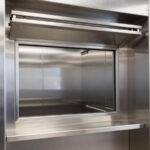
[…] Always confirm the exact opening size with your dumbwaiter manufacturer before cutting, as frame designs vary between side counterweight and rear counterweight configurations. For a deeper comparison of these two types, see our side counterweight vs rear counterweight guide. […]
[…] is worth reading properly before you pour concrete on a dumbwaiter eastern europe project: see side counterweight versus rear counterweight and the full dumbwaiter dimensions […]