Welcome to ServLifts Official Website

What Buildings Besides Restaurants Use Dumbwaiter Lifts
Discover what buildings besides restaurants use dumbwaiter lifts: hotels, hospitals, offices, schools, villas, libraries, and more. Complete guide to dumbwaiter applications in commercial and residential buildings.

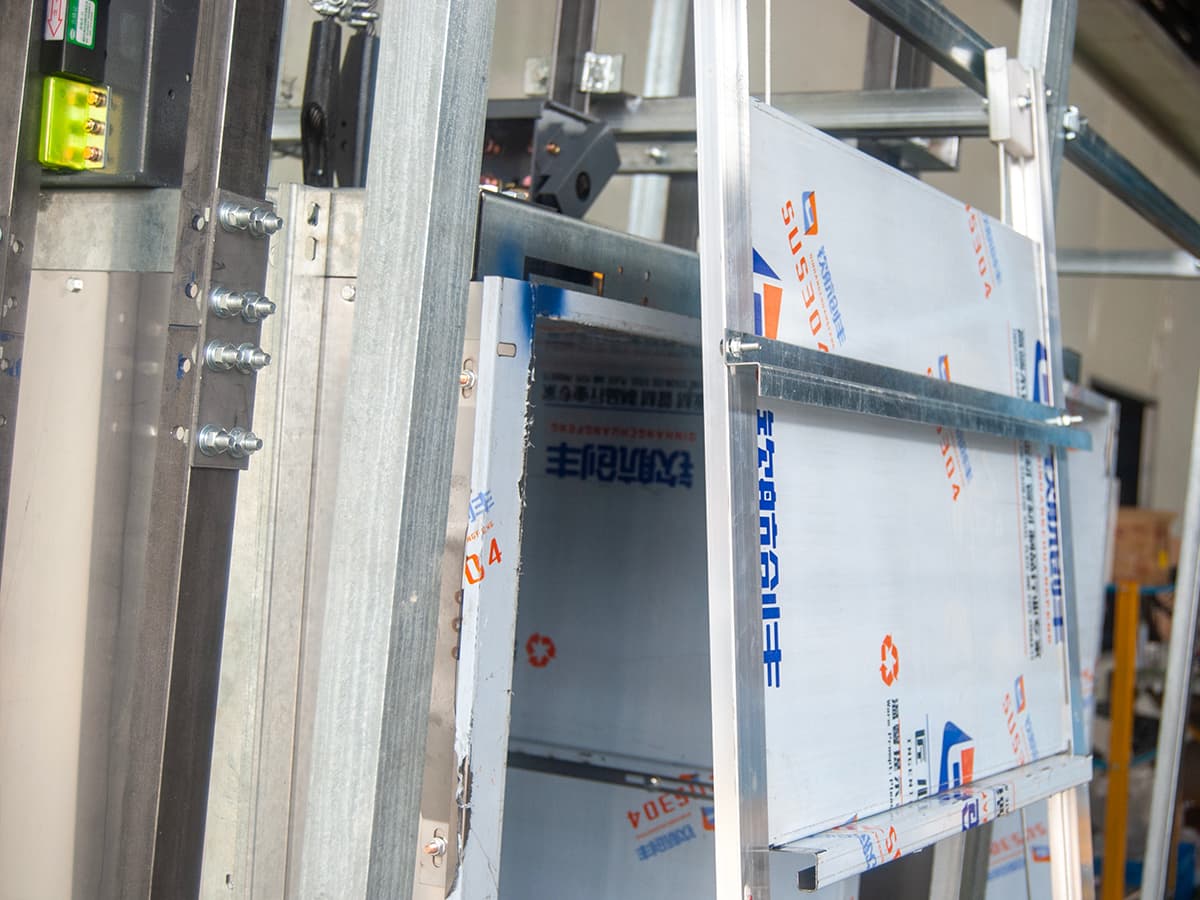
Dumbwaiter lifts, also known as small service elevators and food delivery lifts, are widely recognized for frequent use in catering and restaurant scenarios. In fact, this compact, efficient vertical conveying equipment applies to a huge variety of commercial, residential and public buildings far beyond dining spaces. With flexible load capacity, small shaft footprint and stable operation, dumbwaiters solve frequent small-item transportation demands in multi-story buildings perfectly.
Table of Contents
- Hotels
- Hospitals & Medical
- Shopping Malls
- Office Buildings
- Schools & Education
- Villas & Residential
Hotels are one of the most common non-restaurant buildings equipped with dumbwaiter lifts.
They use service lifts to deliver bedding, towels, daily cleaning supplies, tableware and guest supplies between different floors, greatly reducing the workload of housekeeping staff and improving overall hotel operation efficiency—a trend highlighted by Elevator World industry analysis.
Closed and clean transmission avoids cross-contamination, keeps medical items hygienic and safe, and meets strict hospital hygiene management standards.
They optimize logistics inside buildings, avoid crowding passenger elevators, and maintain orderly pedestrian flow in public areas.
Hospitals and medical institutions rely heavily on dumbwaiter lifts to transport medicines, medical consumables, inspection samples, laboratory reagents and small medical equipment.
Shopping malls and large commercial complexes install dumbwaiters to transfer daily goods, inventory, cleaning tools and maintenance supplies across upper and lower floors.
Office buildings also adopt customized small dumbwaiters to move documents, archives, office supplies, water and daily office goods between floors, saving manpower and avoiding occupied passenger lift resources.
Schools, kindergartens and educational buildings use service dumbwaiters to deliver meals, teaching supplies, kitchen utensils and daily facilities, ensuring smooth multi-floor logistics management in campus buildings.
Villas, high-end residential compounds and clubs install household dumbwaiters to carry groceries, tableware, clothes and daily necessities between floors, upgrading home convenience and living quality.
In addition, libraries, museums, hotels, clubs, warehouses and multi-story stores all use professional dumbwaiter lifts to complete low-weight, high-frequency vertical transportation work, in compliance with ASME A17.1 safety standards.
If you plan to install a reliable, long-service-life dumbwaiter lift, a large number of detailed specifications and construction matters need to be strictly followed to ensure safety, stability and compliance operation. Unstandardized installation will easily lead to frequent failures, safety hazards, high later maintenance costs and shortened equipment service life.
First of all, clarify accurate building shaft size, reserved space, load rating, lifting height and operation frequency before construction. Reasonably match lift specifications according to actual use scenarios, and do not blindly pursue excessive load or overly compact structure.
Secondly, pay attention to safety configuration standards. Qualified dumbwaiter must be equipped with overload protection, door interlock protection, emergency stop device, anti-fall safety system and emergency alarm function to fully meet ISO/TC 178 international elevator safety specifications.
Thirdly, choose reliable lift brand, which directly determines product quality and after-sales service. Global well-known large elevator brands including Otis and Mitsubishi are the first choice for many customers pursuing ultra-high stability. The advantages of big brands include mature overall elevator technology, strict whole-process quality inspection, perfect global after-sales network, long equipment service life and extremely low failure rate. Their disadvantages are relatively high overall quotation, long customization cycle, higher later maintenance fees, and relatively less professional optimization for special small dumbwaiter products.
If you pursue both excellent product quality and cost-effective budget, professional specialized dumbwaiter brands are more suitable choices. Brands such as ServLifts and Powerlift focus exclusively on R&D, production and sales of service dumbwaiters and food lifts. They have targeted structural optimization, more reasonable price system, faster delivery speed, professional scenario matching solutions and thoughtful localized after-sales service, perfectly balancing quality performance and installation cost.
Finally, select formal qualified construction team, complete acceptance inspection after installation, and arrange regular daily maintenance and regular equipment inspection. Standard operation and scientific maintenance can keep dumbwaiter lift running safely and stably for many years.
To sum up, dumbwaiter lifts have extremely wide application scenarios besides restaurants, covering almost all multi-story buildings with frequent small cargo transportation. Choosing appropriate brand positioning, standard standardized installation and standardized later maintenance are three core keys to obtain high-quality dumbwaiter lifting system. Reasonable brand selection according to your own budget and demand can achieve safe, durable and cost-effective vertical logistics operation.
To check all specifications and full models of dumbwaiter lifts, click here to browse our complete product catalog.
[…] healthcare applications, a traction dumbwaiter is the stronger choice for most hospitals: no hydraulic oil to maintain or […]